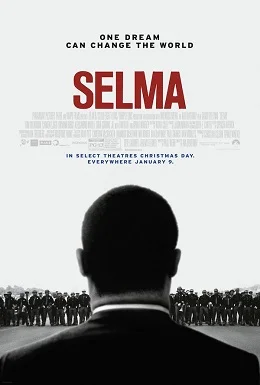
Ava DuVernay's Selma stands as a pivotal entry in the canon of American cinema, reflecting the contours of the civil rights movement with a stirring and commanding narrative. Released in 2014, the film chronicles the historic 1965 Selma to Montgomery marches, emphasizing the struggle for voting rights and the broader fight for civil liberties. DuVernay's directorial vision aligns with her reputation for social-conscious storytelling, making Selma not only an examination of a historic moment but also a vivid call to contemporary audiences to engage with the ongoing battles for equality.
Critically, Selma has been lauded for its compelling portrayal of nonviolent protest as a powerful catalyst for change. Reviewers have consistently highlighted the film's effective storytelling and emotional gravity, noting how it encapsulates the urgency and resolve of activists under the leadership of Dr. Martin Luther King Jr. DuVernay's portrayal of King, brought to life by David Oyelowo, presents a charismatic and complex leader navigating the treacherous waters of political negotiation and societal resistance. The film's insistence on the importance of voting rights resonates deeply in today's political climate, where issues of disenfranchisement and inequality remain starkly relevant.
The themes of political struggle and nonviolent protest recur throughout Selma, emphasizing a necessary dialogue surrounding activism and the means by which political change is enacted. Critics have noted that DuVernay masterfully weaves together intense personal moments with grand societal implications, creating a vivid tapestry that underscores the sacrifices made by countless individuals in pursuit of justice. The film is particularly notable for its ability to highlight the intersectionality of the movement, acknowledging the diverse voices that contributed to this pivotal moment in American history.
In terms of aesthetic execution, Selma is striking and unapologetically impactful, with visuals that capture both the beauty and brutality of the struggle. DuVernay's use of cinematography and score enhances the film's emotive power, positioning it as a necessary piece of art that compels audiences to confront uncomfortable truths about American society. The film’s effectiveness lies in its ability to balance historical accuracy with narrative accessibility, offering a film experience that is both memorable and essential for understanding the complexities of civil rights activism.
Ultimately, Selma emerges not only as a biographical recounting of a transformative chapter in American history but as a timeless reminder of the continuous fight for justice. The critical consensus acknowledges this urgent relevance, affirming the film as a necessary cultural artifact that inspires further reflection on the ongoing struggles for civil rights. In an era where such discussions remain profoundly pertinent, Selma invites viewers to engage with their own roles in the quest for social equity.