Career Overview
Ava DuVernay stands as a crucial figure in contemporary American cinema. She is celebrated for merging rigorous historical inquiry with urgent political consciousness. Her trajectory redefines how Black historical figures are portrayed on screen. Moving away from the conventional trappings of the Hollywood biopic, she has cultivated an artistic identity built on authenticity and structural critique.
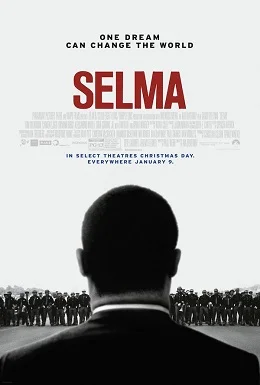
Her emergence into the prestige filmmaking arena was largely solidified by the release of Selma in 2014. Before this breakthrough, her background in independent film and public relations provided her with a unique vantage point regarding narrative construction and audience reception. Selma catapulted her into international critical acclaim, establishing her as a director uniquely capable of handling monumental historical events with intimate emotional resonance.
DuVernay now holds a definitive place in modern cinema history as an essential chronicler of the African American experience. By dramatizing the American civil rights movement with unflinching precision, she challenges traditional historical epics. She actively provides an alternative narrative to earlier Hollywood treatments of race, claiming a space for complex historical representation that refuses to coddle its audience.
Thematic Preoccupations
At the core of her cinematic project is a profound preoccupation with the mechanics of political negotiation and the philosophy of nonviolent protest. She views history not as a static museum exhibit, but as an ongoing continuum of struggle. Her work emphasizes that the civil rights movement and the fight for voting rights were built on meticulous strategy and immense personal cost, rather than inevitable moral progress.
DuVernay consistently explores the intersection of the personal and the political. By focusing on essential messages and necessary insights, her narratives dissect the severe burden of leadership. She continually asks what it costs an individual to carry the weight of a monumental movement. Her careful exploration of backroom deals and political compromises reveals a deeply pragmatic understanding of how systemic change is actually achieved.
This historical rigor ensures her films maintain a potent temporal resonance. Her films consistently align historical struggles with contemporary social realities, maintaining a sense of optimism without sacrificing realism. Critics repeatedly note her work as timely, observing how her historical narratives speak directly to present crises in racial justice. By avoiding the reductive tropes often found in films like The Help or The Butler, she aligns her thematic ambitions with the uncompromising historical inquiry of Spike Lee's Malcolm X.
Stylistic Signatures
DuVernay employs a visual language characterized by vivid storytelling and striking, dignified portraiture. She frames her subjects with a commanding presence, utilizing cinematography that masterfully highlights the warmth and complexity of Black skin tones. Her spatial arrangements often isolate leaders within crowded rooms, visually representing the immense psychological isolation inherent in political leadership.
Her pacing and editing rhythms favor a deliberate build of tension. She balances sweeping historical marches with intimate, closely framed political negotiations. This allows her to capture the visceral reality of protest without resorting to gratuitous exploitation. While a few critics have identified occasional overdone elements in her dramatic flourishes, her overall approach remains rooted in powerful, affective cinematic realism.
Sound and music are utilized meticulously to underscore the stirring and memorable emotional stakes of her narratives. The aural landscape of her work blends the cacophony of public protest with the suffocating quiet of private doubt. This auditory duality allows her films to maintain compelling narrative momentum while exploring the psychological interiority of highly charismatic characters.
Recurring Collaborators
The partnership between DuVernay and actor David Oyelowo in Selma stands as a defining collaborative milestone. Oyelowo delivers a commanding performance that anchors her historical vision perfectly. The synergy between director and actor allows for a poised, charismatic portrayal that transcends mere mimicry, effectively turning a revered historical icon into a flawed, deeply human strategist.
DuVernay frequently surrounds her central figures with a robust ensemble of character actors who bring historical authenticity to the margins of the frame. This collaborative casting ethos ensures that the collective nature of the civil rights movement is accurately depicted. Her ensembles emphasize that monumental change is never solely about one leader, but relies entirely on the coalition of organizers, citizens, and politicians working in concert.
Behind the camera, her partnerships with cinematographers and production designers are vital to her detailed worldbuilding. These artistic collaborations are instrumental in translating the twentieth century American South into a vivid, authentic environment. By working closely with artisans who share her uncompromising commitment to historical nuance, she crafts environments that perfectly support the essential, necessary insights of her storytelling.
Critical Standing
Within contemporary film criticism, DuVernay occupies a formidable and highly respected position. Critics widely regard Selma as a necessary, even essential piece of modern cinema. Reviewers from publications like Slant Magazine, The A.V. Club, and the Los Angeles Times frequently praise her ability to align old struggles with current ones, securing her reputation as a director of profound contemporary relevance.
Her critical reception is frequently framed in direct contrast to other Hollywood films dealing with race. Critics favorably compare her rigorous, unsentimental approach to the cinematic heft of Malcolm X, while contrasting it against more conventional, critically divisive narratives like The Butler or The Help. This important distinction elevates her status from a standard commercial filmmaker to an auteur of serious historical and political inquiry.
While overwhelmingly positive, the critical discourse surrounding her work is not without its minor nuances. Some analysts have occasionally pointed to slightly overdone elements in her dramatization, but these critiques are vastly overshadowed by universal praise for her compelling, stirring execution. Ultimately, DuVernay is celebrated by the critical establishment as a visionary who brings crucial historical realities to vivid life with incredible poise and cinematic power.