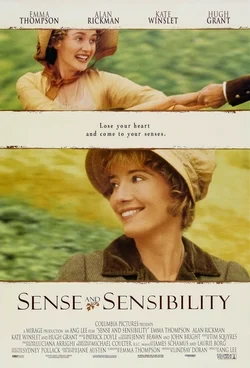
Sense and Sensibility, directed by Ang Lee in 1995, marked a significant entry in the lineage of cinematic adaptations of Jane Austen's novels, illuminating the interplay between romance and societal norms. A pivotal work in Lee's illustrious body of films, which often explore complex human relationships against richly textured backdrops, this adaptation showcased his ability to balance character depth with visual storytelling. Known for his exceptional directorial acumen in films such as Crouching Tiger, Hidden Dragon and The Ice Storm, Lee brought a modern sensibility to Austen's classic narrative, making it accessible to both ardent fans of literature and casual filmgoers alike.
Critics have widely celebrated Sense and Sensibility for its delightful and intelligent execution, capturing the intricacies of love and marriage amid the rigid social hierarchies of early 19th-century England. The film introduces viewers to the lives of the Dashwood sisters, Elinor and Marianne, whose contrasting approaches to life and love cleverly articulate the tension between rationality and emotion. This is a film that feels buoyant in its storytelling, offering a richly enjoyable exploration of family bonds, resonating themes of social class, and the complexities of romantic relationships, all tethered by the authenticity of character development.
The performances in Sense and Sensibility add another layer of brilliance to its already compelling narrative. Emma Thompson, who also penned the screenplay, portrays Elinor with a grace that balances her inner strength and emotional restraint. In contrast, Kate Winslet’s spirited rendition of Marianne provides a vibrant counterpoint, capturing the impulsive and passionate aspects of love. Their opposing ideals evoke a deep understanding of how societal expectations influence personal choices, providing a canvas for discussions surrounding class and marital ambitions. Alongside a talented ensemble cast, these portrayals elevate the film beyond a mere romantic tale into a thoughtful commentary on the era's gender dynamics.
In addition to its character-driven storytelling, Sense and Sensibility is beautifully crafted, with meticulous attention to detail in its production design and costume work. The cinematography encapsulates the lush English countryside, enhancing the narrative with a visual warmth that mirrors the emotional engagement of the characters. This harmonious blend of aesthetics and substance not only delights viewers but also creates a more profound connection with the underlying themes of family loyalty and the often tumultuous quest for love in a constricting society.
Ultimately, Ang Lee's Sense and Sensibility stands as a testament to the power of intelligent storytelling and the richness of Austen's themes. Its ability to resonate across generations reflects not only a successful adaptation but also an exploration of universal human experiences. With its mix of wit, charm, and moving moments, the film solidifies its place as a classic in both cinematic history and literary adaptation, inviting viewers to ponder the enduring questions of love, social standing, and familial obligation.