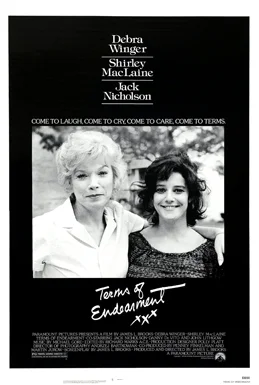
In cinema history, Terms of Endearment, directed by James L. Brooks, stands out as a poignant exploration of the complex tapestry that is the mother-daughter relationship. Released in 1983, this film transcends its era, embodying a blend of heartfelt storytelling and astute humor that showcases Brooks' directorial prowess. Known for weaving rich character studies into engaging narratives, Brooks delivers a film that resonates deeply with audiences. Terms of Endearment not only secured its place in cinematic history with wins at the Academy Awards, including Best Picture, but also reinforced the emotional weight of familial bonds, a theme often echoed throughout Brooks' oeuvre.
At its core, Terms of Endearment is a vivid tapestry of love and loss, underscored by the evolution of personal growth within familial dynamics. The film centers on the relationship between Aurora Greenway (Shirley MacLaine) and her daughter Emma (Debra Winger), whose lives intertwine in both joyful and sorrowful moments. Critics have lauded the film for its ability to blend sincere affection with sharp wit, portraying the multifaceted nature of love that encompasses laughter, heartache, and personal discovery. Viewers journey through the complexities of their relationship, witnessing the transitions that define both characters' lives and the lessons learned along the way.
The emotional resonance of Terms of Endearment elevates it beyond the typical genre fare, as it invites audiences to reflect on their own familial connections. The film addresses universal themes that mirror the often-painful realities of life, such as the inevitability of loss and the importance of cherishing relationships. As Aurora navigates her own struggles and triumphs, viewers witness Emma’s journey towards independence, highlighting the tension that inevitably exists between a mother’s instinct to protect and a daughter’s desire to forge her own path.
Moreover, the film shrewdly employs humor to balance the weight of its narrative, allowing audiences to engage with its heavier themes without becoming overwhelmed. Interspersed with comedic moments, Terms of Endearment takes an honest look at the myriad ups and downs inherent in familial life. While the film does not shy away from depicting challenging moments, it does so in a way that is both relatable and uplifting, reminding us of the connections that hold families together.
In conclusion, the critical consensus surrounding Terms of Endearment emphasizes its heartfelt nature and emotional depth. It serves as a compelling reminder of the bonds that define us, while also providing insight into the growth and evolution that relationships undergo over time. James L. Brooks’ talent lies in his ability to blend the profound with the humorous, crafting a narrative that remains as relevant today as it was at its inception. As audiences reflect on the poignant themes of love, loss, and personal growth, Terms of Endearment emerges not only as a significant milestone in Brooks' career but also as a timeless exploration of the intricacies of family life.