Career Overview
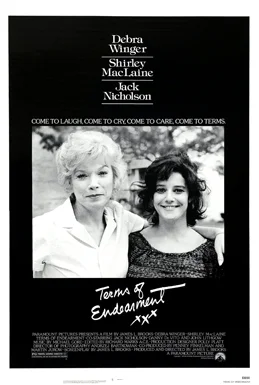
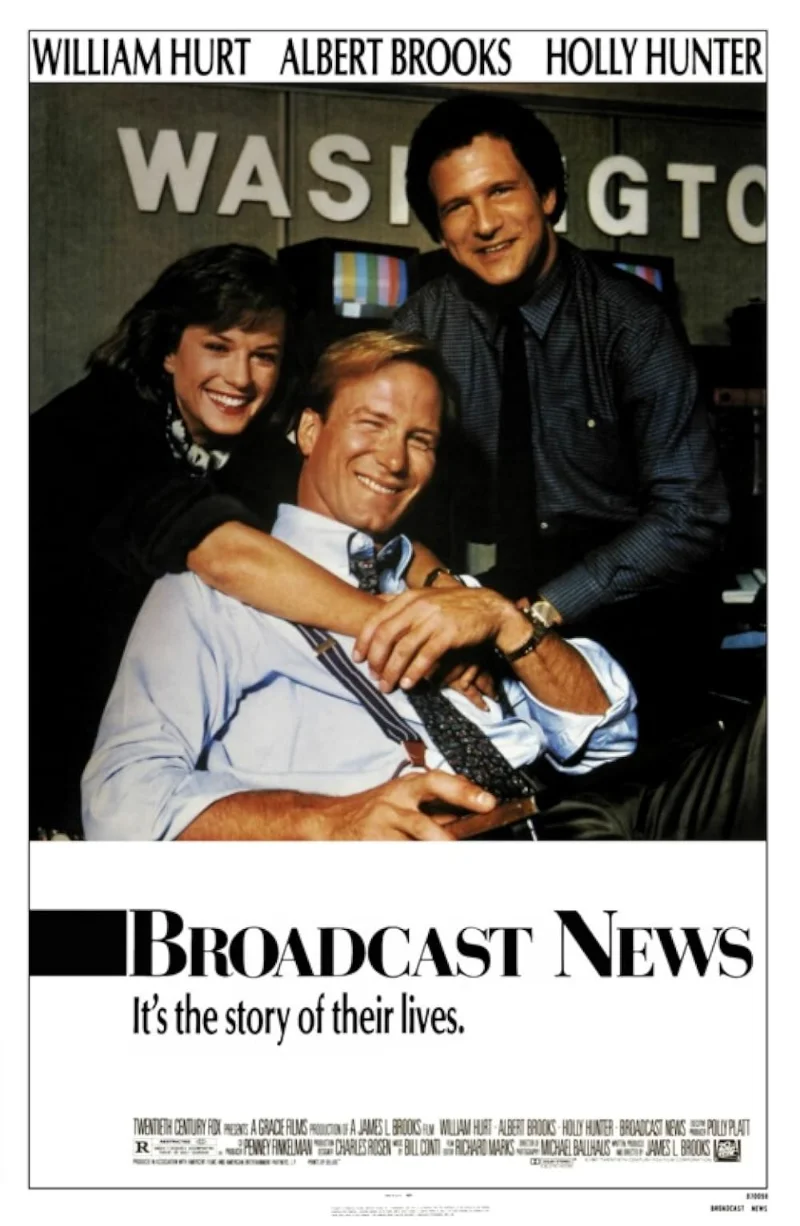
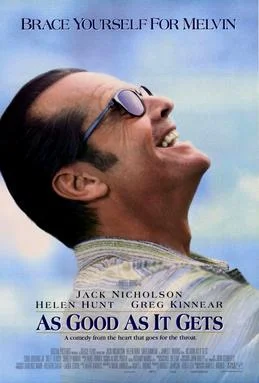
James L. Brooks occupies a unique space in American cinema as a bridge between the sharp wit of classic television and the expansive emotional canvas of the Hollywood feature. Emerging from a highly successful background in television production, most notably his foundational work on The Mary Tyler Moore Show, Brooks transitioned to feature film direction in the 1980s. His cinematic debut, Terms of Endearment, immediately established him as a formidable auteur capable of weaving complex emotional tapestries. By elevating the standard character study, he proved that mainstream cinema could successfully balance lighthearted humor with devastating personal tragedy. In the ensuing years, Brooks continued to refine his directorial voice, becoming a premier chronicler of neurosis and ambition. With Broadcast News, he turned his lens toward the rapidly changing television news industry, crafting a narrative that was simultaneously a timely media critique and a profound exploration of workplace dynamics. This period marked his solidification as a director who could seamlessly blend professional rivalry with deeply personal romantic entanglements. His films from this era are recognized for their intelligent approach to adult relationships, treating audiences with a respect rarely seen in the genre. By the time he directed As Good as it Gets, Brooks had fully crystallized his reputation as a master of the sophisticated romantic comedy. His career arc demonstrates a consistent commitment to character driven plots and emotionally resonant themes. While his output as a director is relatively sparse compared to his producing credits, each film operates as a major cultural event. Critics and cinephiles alike regard his filmography as a masterclass in tone, demonstrating how mainstream comedies can simultaneously engage with disturbing themes, psychological depth, and politically incorrect humor without alienating their audience.
Thematic Preoccupations
At the core of Brooks's filmography is a relentless investigation of character development and personal growth. His protagonists are rarely immediately likable, as they are frequently misanthropic, intensely flawed, or crippled by their own ambition. In As Good as it Gets, the narrative meticulously charts the psychological evolution of a man suffering from obsessive compulsive disorder, forcing him into unlikely friendships that challenge his worldview. Brooks is fascinated by the friction between a character's rigid internal logic and the chaotic, unpredictable nature of human connection. Another major preoccupation for Brooks is the intersection of professional ambition and personal fulfillment. Broadcast News dissects the television news industry with surgical precision, exploring the tension between media ethics and the rising tide of sensationalism. Brooks poses difficult questions about integrity, asking whether it is possible to maintain one's moral compass in a network environment that rewards the profoundly hollow and trivial. The workplace in his films functions as an arena where career choices directly collide with romantic relationships and personal ethics. Familial dynamics and the inevitability of loss form the emotional bedrock of his narratives. Terms of Endearment is a seminal exploration of mother and daughter relationships, capturing the complexities, resentments, and deep abiding love across generational divides. Brooks refuses to shy away from the painful realities of aging and death, integrating these love and loss explorations directly into the comedic framework. His films suggest that heartbreak and joy are inextricable, requiring his characters to navigate both with whatever resilience they can muster. Finally, Brooks constantly reimagines the boundaries of the romantic comedy. Rather than relying on traditional meet cute scenarios, he builds romantic tension through conflict, professional rivalry, and intellectual sparring. The feminine perspectives in his films are notably robust, featuring women who demand to be met on their own terms. Whether navigating a love triangle in a high pressure newsroom or seeking companionship in middle age, his characters engage in romantic pursuits that are messy, complicated, and deeply authentic to the human experience.
Stylistic Signatures
The most prominent stylistic signature of James L. Brooks is his unparalleled mastery of smart and witty dialogue. His visual language is deliberately understated, designed specifically to serve the nuances of language and emotion. Rather than employing flashy cinematographic techniques, Brooks relies on precise actor blocking and mid range framing to capture the subtle facial expressions and comedic repartee of his ensemble. This character driven approach ensures that the psychological depth of the script remains the focal point of every scene. Brooks exhibits a remarkable ability to balance wildly disparate tones within a single sequence. He can pivot from outrageous scenarios and slapstick comedy to moments of profound emotional depth without jarring the viewer. This tonal dexterity requires a highly controlled editing rhythm. The pacing of his films often mirrors the frantic energy of a newsroom or the rapid fire anxiety of his protagonists, yet he always knows when to let a quiet, heartbreaking moment breathe. His understated storytelling masks a rigorous structural discipline. His mise en scene is heavily grounded in realism, reflecting the mundane, lived in reality of his characters. The domestic spaces in Terms of Endearment and the cluttered apartments in As Good as it Gets are meticulously designed to provide psychological insight into the people who inhabit them. The production quality is always superb, but it never calls attention to itself. Instead, the environments act as authentic backdrops for the complex storytelling and interpersonal friction that define his work. Additionally, Brooks frequently incorporates nostalgic references and classic television influences into his cinematic framework. Drawing from his extensive background in the medium, he utilizes the tight, efficient narrative structures of television sitcoms while expanding them to accommodate the tragicomic sprawl of a feature film. This synthesis of television efficiency and cinematic grandeur creates a unique stylistic hybrid, resulting in films that are both engagingly entertaining and intellectually rigorous.
Recurring Collaborators
Central to the success of Brooks's cinematic endeavors is his vital creative partnership with actor Jack Nicholson. Appearing in both Terms of Endearment and As Good as it Gets, Nicholson provides the perfect vessel for Brooks's politically incorrect humor and complex characterizations. Nicholson's ability to project a sneering, eyebrow arching misanthropy while simultaneously revealing deep vulnerability perfectly aligns with Brooks's thematic interests. Their collaboration resulted in some of the most memorable, award winning performances in modern American cinema, with Nicholson effortlessly balancing self mocking playboy charm with genuine emotional stakes. Brooks is equally celebrated for his collaborations with formidable leading women. Actresses like Shirley MacLaine, Debra Winger, Holly Hunter, and Helen Hunt have delivered some of their most iconic performances under his direction. Brooks writes fiercely intelligent, deeply layered female characters, and he requires actors capable of navigating his fast paced dialogue and shifting tonal demands. These collaborations are crucial to his exploration of feminine perspectives, ensuring that his women are never mere foils for the male characters but rather the driving force of the narrative. Behind the camera, Brooks builds ensembles of supporting players who can match the intensity and wit of his leads. Actors like Greg Kinnear and Albert Brooks frequently populate his films, providing essential comedic relief and emotional counterweight. By returning to a specific caliber of actor, Brooks guarantees that his intricate, dialogue heavy scripts are executed with the precise comedic timing and dramatic gravity they require. These recurring creative partnerships form the backbone of his consistently superb production quality.
Critical Standing
Throughout his career, James L. Brooks has maintained a stellar critical reputation, widely recognized as a master of the American romantic comedy and drama. Upon the release of Terms of Endearment, critics immediately praised his ability to blend heartwarming moments with devastating tragedy, honoring the film with multiple Academy Awards. He is frequently cited in critical discourse as a filmmaker who successfully elevated the emotional intelligence of mainstream cinema, proving that character centered plots could achieve both massive commercial success and profound critical acclaim. In analyzing his contributions to media critique, reviewers consistently draw comparisons between Broadcast News and Sidney Lumet's Network. While Lumet approached the subject with fiery satire, critics note that Brooks offered a more psychological and intimate examination of media manipulation. His timely and diabolically clever insights into the television industry remain highly regarded, with many critics pointing to his work as the gold standard for blending professional ethics with entertaining narrative structures. His background with The Mary Tyler Moore Show is often referenced to explain his unparalleled grasp of workplace dynamics. Today, Brooks's standing in cinema history is that of a foundational auteur of the contemporary tragicomedy. While some modern retrospective reviews occasionally scrutinize the politically incorrect humor of his later films, the consensus remains overwhelmingly positive. Critics applaud his masterful direction, insightful dialogue, and unwavering commitment to exploring the messy reality of human relationships. His films are routinely studied by filmmakers and art critics for their structural perfection and their unique ability to capture the profound complexities of everyday life.