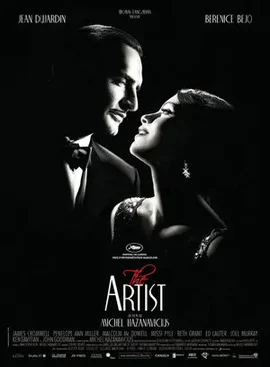
In the landscape of modern cinema, Michel Hazanavicius's film The Artist emerges as both a homage and a critique of the transition between silent films and the advent of sound in Hollywood. Released in 2011, this black-and-white silent film is a nostalgic exploration of an era that many believe defined cinematic storytelling. Hazanavicius, known for his clever intertwining of humor and emotion, uses The Artist to reflect on the artistry of filmmaking and the bittersweet passage of time, positioning it not merely as a film but as a love letter to the silent film era.
Critics have unanimously lauded The Artist for its charming portrayal of a bygone era, where romance and drama effortlessly intertwine, evoking a sense of nostalgia in both seasoned cinephiles and new audiences. The film's engaging lead performances, particularly those of Jean Dujardin and Bérénice Bejo, breathe life into their characters with an authenticity reminiscent of the silent screen stars they emulate. As the plot unfolds, it captures the tension and excitement of the industry’s shift to talkies, showcasing the struggles and triumphs faced by those who dared to adapt or perish. This cinematic purity serves as a reminder of the universal themes of love, ambition, and loss that resonate deeply across generations.
Moreover, The Artist is imbued with a playful insouciance that not only entertains but also challenges viewers to appreciate the simplicity and elegance of silent storytelling. Critics have described it as beguiling and distinct, encapsulating everything from witty humor to poignant romantic drama. The film’s insistence on using visual storytelling in lieu of dialogue highlights an authenticity that is often overshadowed in today’s blockbuster-driven market. The result is a film that feels gloriously old-fashioned yet refreshingly vital, embodying a revival of silent film aesthetics wrapped in modern cinematic techniques.
As it effortlessly dances between genres, The Artist invites viewers to reflect on the past while providing an engaging critique of Hollywood nostalgia. In its exploration of romance, loss, and the evolution of an art form, it offers a universal commentary on the nature of creativity and change. The film's critical success, evidenced by awards recognition, highlights a collective yearning for a purity often lost in contemporary storytelling. By reviving the silent film format, Hazanavicius challenges audiences to engage with cinema in its most elemental form, reminding us that sometimes, silence speaks louder than words.
In conclusion, The Artist stands as a remarkable testament to the resilience of cinematic expression and the enduring allure of silent storytelling. Hazanavicius’s work captures the spirit of an era while resonating with a modern audience, affirming that the themes of love and aspiration are timeless. The film not only redefines the boundaries of contemporary cinema but also ignites a conversation about the significance of authenticity in art. In so doing, it celebrates the past while boldly stepping into the future, ensuring its place in the annals of cinematic history.