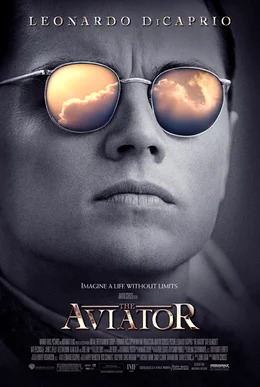
Directed by Martin Scorsese, The Aviator (2004) serves as a noteworthy exploration of both the life of Howard Hughes and the tumultuous intersection of genius and madness within Hollywood history. Scorsese, known for his engrossing biographical narratives, crafts a film that transcends mere biography to delve into the complexities of obsession and self-destruction within the context of Hughes’ trailblazing achievements in aeronautics. Set against the backdrop of the early and mid-20th century, the film is both a homage to Hughes' extraordinary contributions to aviation and a sobering examination of the personal costs associated with greatness.
The film has garnered critical acclaim for its well-crafted storytelling and enthralling performances, particularly Leonardo DiCaprio, who brings a sympathetic depth to Hughes’ character. Critics often highlight the film’s ability to engage the audience on multiple levels, balancing the breathtaking visuals of aviation with an insightful portrayal of Hughes’ frenzied mind. This engagement not only charts Hughes' pioneering spirit but also illustrates his tragic descent into madness, providing a nuanced portrayal of the price of innovation in an industry that frequently glorifies its mavericks. The story unfolds with a sense of ambition and scale, showcasing Hughes' significant achievements while illustrating how the same passions that fueled him eventually led to his self-destruction.
The thematic resonance of The Aviator lies in its exploration of the obsessive nature of genius, particularly in the harsh glare of Hollywood's relentless scrutiny. Scorsese's direction bridges the gap between the adrenaline of flight and the dark undercurrents of Hughes' psyche, portraying a man torn between his visionary aspirations and the crippling effects of obsessive-compulsive disorder. The film represents a daring exploration of how brilliance can be overshadowed by the very demons that inspire and drive it, ultimately presenting a heartfelt inquiry into the human condition.
Cinematic history regards The Aviator as a masterful work, and its critical reception underscores this sentiment. Reviewers frequently commend the film for being both entertaining and informative, a bold endeavor that is as much about Hughes as it is about the historical narrative of Hollywood itself. The film's lavish production values and grand scope allow it to resonate strongly within the biopic genre, often drawing comparisons to Scorsese’s previous works while standing assertively on its own merits. Some critics have noted a sense of overreaching in its ambition to encapsulate the entirety of Hughes’ life, but for many, this aspiration results in a stirring tribute that ultimately transcends the constraints of typical biographical storytelling.
In sum, The Aviator not only stands out as a significant film within Scorsese’s oeuvre but also serves as a poignant reminder of the thin line that separates genius from madness. With its profound engagement with themes of obsession and self-destruction, the film acts as both a spectacle and a heart-wrenching examination of one of Hollywood’s most enigmatic figures. The narrative, while celebratory of Hughes’ aeronautical triumphs, does not shy away from depicting the harrowing reality of his unraveling, providing a complex portrait of a man whose legacy is as extraordinary as it is tragic.