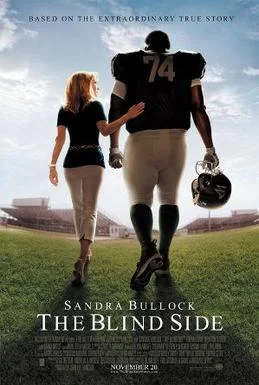
Released in 2009 and directed by John Lee Hancock, The Blind Side is a film that has firmly situated itself within the landscape of American cinema as a poignant blend of sports drama and biographical narrative. The film chronicles the life of Michael Oher, an NFL player who overcame a challenging upbringing, and the family that took him in and supported his journey to success. Hancock, known for his ability to weave together personal stories with broader social themes, delivers a work that is not only uplifting and inspirational but also serves as a reflective commentary on race, privilege, and the complexities of American family dynamics.
At its core, The Blind Side resonates with audiences because it tackles the multifaceted nature of overcoming adversity. Critics have noted its heartwarming portrayal of familial bonds, as Leigh Anne Tuohy, portrayed by Sandra Bullock, navigates the challenges of nurturing a young man from a drastically different background. The film effectively highlights the contrasts in social class and race, making it a contemporary context for discussing social commentary within the realm of sports and personal growth. However, some critics have pointed to the film's oversimplification of these issues, questioning whether it fully captures the depth of racial dynamics in American society.
The critical consensus with respect to The Blind Side has been largely favorable, with its emotional depth and character-driven storytelling earning praise for both its inspirational message and commercial success. Audiences have responded positively, making the film a box office triumph. Yet its popularity also comes with a measure of controversy, as some argue it leans toward a conventional, perhaps even unconvincing, portrayal of its themes. The uplifting narrative may resonate deeply but also risks glossing over the systemic issues at play in Oher's life and the lives of many others.
Hancock's direction, paired with a strong performance from Bullock, culminates in a film that encourages personal reflection among viewers. While some may find nostalgic comfort in the story, others may see it as an opportunity for deeper exploration of the underlying issues it presents. Despite its shortcomings in fully grappling with certain socio-cultural dynamics, the film holds a mirror up to the audience's perceptions of success and familial love, often blurring the lines between savior complex and genuine altruism.
Overall, The Blind Side remains an important entry in the canon of sports dramas that explores more than the game itself; it delves into the essence of human connection and resilience. In a way, the film's success is twofold, combining its ability to entertain while simultaneously prompting discussions about race, class, and the very values we hold dear as a society. As a reflective piece, it nurtures a conversation about the complexities of helping others and the narratives we choose to embrace in stories of triumph.