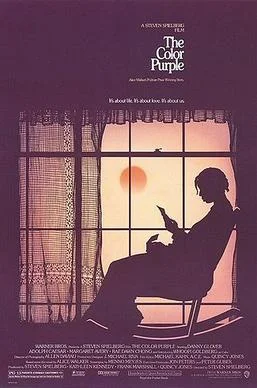
Steven Spielberg's The Color Purple stands as a significant work in both the director's canon and the broader landscape of 1980s cinema. Based on Alice Walker's Pulitzer Prize-winning novel, the film engages deeply with themes of resilience, sisterhood, and female empowerment. While Spielberg is best known for his grand blockbusters, this adaptation ventures into the emotional and the intimate, showcasing the trials of African American women in the early 20th century American South. The film's release in 1985 not only highlighted the era's shifting cultural storytelling but also underscored the complexities of adapting a beloved literary work onto the silver screen.
Critical consensus around The Color Purple reveals a tapestry of emotional depth that resonates powerfully with audiences. Reviewers praised its uplifting narrative of overcoming adversity and the indelible bonds of sisterhood that define the protagonists, most notably Celie, played by Whoopi Goldberg. The film's musical elements enhance this emotional journey, infusing the narrative with a heartfelt energy that complements its dramatic arcs. However, the movie's tonal inconsistencies and certain adaptation challenges sparked discussions about its representation of race and femininity. These issues ignited controversy, provoking a nuanced examination of Spielberg's directorial choices and their implications in storytelling.
Further complicating The Color Purple's reception was its ability to balance its thematic intentions with the demands of mainstream entertainment. While some critics found the approach successful and evocative, providing a magical experience for viewers, others argued that the adaptation failed to encapsulate the full depth of Walker's source material. This dichotomy in reception illustrates the inherent difficulties of translating literary nuance into a form accessible to a wider audience, a challenge that remains central to discussions on adaptations today.
Though The Color Purple experienced a mixed box office performance during its initial release, it has since garnered a legacy that often overshadows its initial reception. The film has become a cornerstone in discussions around female empowerment, robustly showcasing how personal and collective strength can lead to transformation. Spielberg's choice to center the narratives of African American women, though met with criticism, also contributed to a broader cultural dialogue, solidifying its significance in cinematic history.
In examining The Color Purple, one must confront its complexities, acknowledging both its emotional resonance and its adaptation shortcomings. The film’s legacy is ultimately one of perseverance and hope, embodying the spirit of those who choose to reclaim their voices amidst adversity. As such, it remains a touchstone for understanding the evolving representations of gender and race in film, and its continued exploration in educational and cultural contexts speaks to its enduring impact on audiences.