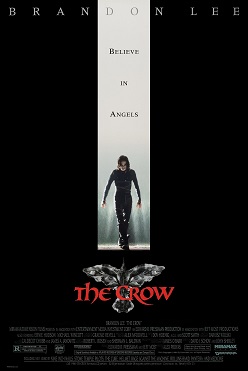
Released in 1994, The Crow, directed by Alex Proyas, stands as a poignant reflection in the landscape of gothic cinema. Emerging during a time when comic book adaptations were still finding their footing, The Crow transcended the genre by painting a richly atmospheric tableau infused with themes of resurrection, justice, and the profound pain of grief. The film is steeped in a subculture that resonates with the angsty youth of the 1990s, carving out a niche that remains influential even today. Proyas, known for his stylistic storytelling, brings a unique visual flair that melds the macabre with poignant emotion, making his film a standout not just in the arena of comic adaptations, but in his legacy as a filmmaker.
At its core, The Crow showcases a revenge narrative that is both tragic and deeply human. The story, following the resurrection of Eric Draven, a man seeking vengeance for the brutal murder of him and his fiancée, serves as a meditation on loss and the human condition. Critics have noted the film's brooding and moody atmosphere, enhanced by its grungy aesthetic, an aesthetic that complements its exploration of identity, as Eric grapples with his own transformation from a victim to an avenger. This duality of being both a tragic hero and a ghostly figure resonates throughout the film, creating a layered understanding of vengeance that is underscored by an operatic sense of style.
Reviewers frequently highlight the film's stylish visuals and its gothic elements, remarking on the meticulously crafted world that Proyas has conjured. The atmosphere is not merely a backdrop but serves as a character in itself, echoing the emotional turmoil and rage that permeates Eric's quest. The violent undertones are matched only by the visceral grief that drives each action, crafting an experience that is both aesthetically compelling and thematically rich. This fusion of beauty and brutality has made The Crow a touchstone for discussions around the intersection of visual art and narrative substance.
Despite its violence, the film captures profound themes of justice amid chaos, presenting a world where the lines between good and evil blur. As Eric enacts his revenge against those who wronged him, the film poses questions about morality and the costs of vengeance. It challenges viewers to consider the validity of justice when it is pursued without restraint, a theme that echoes across the decades in cinema. Critics have noted how the film’s intensity mirrors the struggles of those dealing with grief, offering a cathartic release that resonates with anyone who has suffered loss.
In retrospect, The Crow not only encapsulates a moment in cinematic history but also serves as a cultural artifact that highlights the angst of its era. Through Proyas’s lens, we are taken on a journey that is both visually enchanting and emotionally harrowing. Its tragic narrative, marked by a relentless pursuit of justice and the haunting shadows of grief, remains a powerful reminder of the depths of human emotion and the complexities of identity. As we reassess The Crow today, its legacy continues to influence filmmakers and inspire narratives that seek to explore the darker facets of love, loss, and retribution in similarly stylish and symbolic ways.