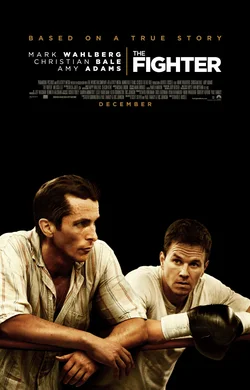
The Fighter, directed by David O. Russell, stands as a definitive entry in the canon of sports dramas, evoking a raw, authentic portrayal of familial loyalty amidst the backdrop of professional boxing. Released in 2010, the film features powerful performances from Mark Wahlberg, Christian Bale, and Melissa Leo, which profoundly reflect the film’s exploration of complex family dynamics. This narrative not only dives into the sport of boxing but also intricately weaves the themes of redemption and determination, elements that resonate deeply within the human experience. The film fits squarely within David O. Russell's oeuvre, where personal struggle and interpersonal conflicts are vividly articulated, demonstrating his knack for exposing the emotional cores of his characters.
Critics have uniformly hailed The Fighter for its gritty realism and emotional depth. The film tells the true story of Micky Ward, a struggling boxer, his tumultuous relationship with his family, and the redemptive arc of his career propelled by the support of his half-brother, Dicky Eklund. This relationship serves as a microcosm for the film's broader exploration of family dysfunction, revealing both the burdens and the strengths that arise from close-knit, yet often fractious, familial bonds. The depiction of Micky’s journey is not merely one of athletic accomplishment but a profound testament to the struggles of identity, belonging, and personal growth experienced within the confines of family.
The boxing sequences in The Fighter are viscerally intense, capturing the spirit of the sport while simultaneously serving as metaphors for the fighters' inner battles. The choreography is gritty and realistic, aligning well with the film's overall aesthetic that resonates authenticity. Critics have pointed out that these physical confrontations parallel the emotional clashes within Micky's family, emphasizing determination and the quest for redemption that permeates the narrative. Micky’s evolution, driven by both resilience and the painful recognition of his family's shortcomings, is inspiring, a motif that underscores the film’s heart.
In many ways, The Fighter transcends the typical sports movie. It is a layered exploration of how familial ties can simultaneously uplift and constrain individuals. The performances are described as powerful and nuanced, with Bale’s portrayal of Dicky being particularly lauded for its emotional authenticity. This depth extends to Melissa Leo's formidable depiction of Micky's mother, who embodies the duality of love and manipulation inherent in family life. The critical consensus aligns on the film’s ability to encapsulate the raw truth of its characters’ lives, thus delivering an inspiring story that feels deeply human.
Ultimately, The Fighter emerges as a poignant narrative about the triumphs and tribulations faced by those who navigate both the ring and the complexities of family ties. It impressively balances the narrative of redemption against the backdrop of a harsh but passionate boxing world. With its gritty atmosphere and deeply felt performances, the film resonates with viewers on multiple levels, offering a sophisticated look at how the pursuit of dreams can be both an individual striving and a collective journey shaped by the familial bonds that define us.