Career Overview
David O. Russell occupies a distinct and vital position in contemporary American cinema. Evolving from his early roots in eccentric independent comedies, Russell transformed himself into a premier chronicler of edgy American madness. His career trajectory reveals a director who continuously refines his chaotic cinematic energy into mainstream critical successes. The early 2010s marked a creative rebirth for the filmmaker, solidifying his reputation as an audacious original who masterfully balances commercial appeal with idiosyncratic character studies.
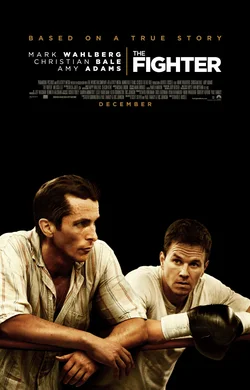
During this prolific hot streak, Russell directed three consecutive cinematic triumphs that redefined his critical standing. Beginning with The Fighter in 2010, he demonstrated an unmatched ability to weave gritty emotional intensity into the fabric of traditional genre narratives. This period showcased a mature filmmaker capable of navigating the delicate space between tragedy and comedy, earning him widespread acclaim and a reputation as a modern master of the American ensemble drama.
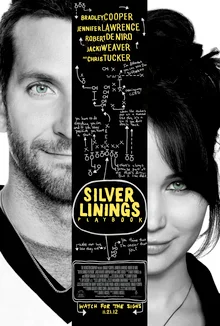
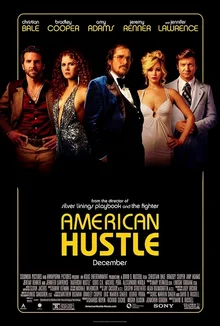
His subsequent projects, Silver Linings Playbook and American Hustle, further cemented his status as a cinematic powerhouse. Critics frequently note his unique capacity to blend the anarchic humor of screwball farces with the poignant realities of modern life. By focusing on fiercely determined, deeply flawed protagonists, Russell created a cinematic universe that feels both nostalgic and aggressively modern.
Ultimately, Russell stands as a bridge between the visceral auteurism of the 1970s and the polished demands of 21st-century Hollywood. He draws heavy inspiration from cinematic giants while infusing his projects with an unmistakably manic, highly personal voice. His evolution from a director of quirky indie features to a heavyweight contender in awards season discourse highlights a remarkable career arc built on taking enormous narrative risks.
Thematic Preoccupations
A profound exploration of spectacular familial dysfunction sits at the very core of David O. Russell's filmography. The director repeatedly returns to the chaotic dynamics of broken households, finding both humor and tragedy in the ways relatives support and destroy one another. In The Fighter, the protagonist must literally and figuratively box his way out from under the shadow of his troubled brother and overbearing mother. These powerful family dynamics serve as the crucible in which his characters are forged, testing their grit and determination.
Equally prominent is Russell's ongoing fascination with mental illness and the painful search for personal identity. Silver Linings Playbook places the exploration of mental health at the forefront of its narrative, using conventional romantic comedy elements to dissect the turbulent symptoms of bipolar disorder. The director refuses to sanitize these struggles, instead choosing to highlight the raw, authentic emotional journeys of characters fighting to reclaim their minds and their lives. This theme of identity crisis bleeds into his other works, where characters constantly reinvent themselves to survive.
The elusive nature of the American dream provides a broader societal canvas for his intimate character studies. In American Hustle, this theme takes the form of a 1970s crime narrative populated by ambitious con artists and desperate FBI agents. The characters utilize deception, fake accents, and elaborate sting operations as tools to manifest their own versions of success. Russell examines how the desire for reinvention often pushes individuals toward the fringes of morality, highlighting the desperate lengths people will go to in order to live large.
Ultimately, Russell's thematic preoccupations converge on the concept of redemption and the triumph of the human spirit. Whether portraying boxing as a metaphor for personal salvation or charting the unlikely romance between two recovering patients, his films are inspiring narratives of resilience. Despite the overdriven scenarios and coked-up confusion that frequently surround them, his big-hearted characters consistently strive for a better existence, anchoring his edgy American madness in profound empathy.
Stylistic Signatures
David O. Russell possesses a highly kinetic, restless visual language that perfectly mirrors the internal chaos of his characters. His films are characterized by audacious storytelling and an unmistakably muscular, surefooted pacing. The camera is rarely static, often utilizing sweeping movements and rapid tracking shots to capture the frenetic energy of his motley ensemble casts. This dynamic approach to cinematography implicitly conveys the manic highs and depressive lows that define his protagonists, creating an immersive, nerve-jangling experience for the audience.
His mise-en-scene is particularly celebrated for its intricate, often brilliantly window-dressed period detailing. In American Hustle, critics noted his unusual emphasis on 1970s hairstyles, deeply unbuttoned shirts, and extravagant wardrobes as symptoms of the era. Russell uses these visual markers not merely as nostalgic set dressing, but as essential tools for characterization. A combination of glue, dyed cotton, and elbow grease used to create a comb-over becomes a powerful visual metaphor for a character's fragilely constructed false identity.
Tonal tightrope walking is perhaps Russell's most defining stylistic signature. He effortlessly blends off-the-wall, anarchic humor with gritty emotional intensity. His films frequently pivot from lighthearted yet emotional moments to dark humor in a matter of seconds. By injecting zany plot twists into grounded, historically covered scenarios, he creates a unique brand of cinematic insanity. This distinctive narrative approach allows him to subvert snug genre pigeonholes, making a sports biography or a romantic comedy feel entirely original and unpredictable.
Furthermore, the director employs an incredibly engaging, wiseguy voiceover style that draws heavy comparisons to the great crime epics of the late 20th century. This charming narrative voice serves to guide the audience through highly complex, overdriven plots while maintaining a deep sense of intimacy. Paired with a meticulously curated soundtrack of era-specific pop and rock music, Russell's editing rhythms create an irresistibly watchable momentum that elevates his idiosyncratic character portrayals into mythic territory.
Recurring Collaborators
The immense success of David O. Russell's mid-career renaissance is inextricably linked to his establishment of a core repertory company of actors. By repeatedly casting Christian Bale, Bradley Cooper, Jennifer Lawrence, and Amy Adams, the director cultivated a unique environment of creative trust. This familiarity allows his ensemble to take massive risks, resulting in the ring-a-ding, highly improvisational feeling performances that define his modern masterworks. The overlapping dialogue and chaotic chemistry between these actors form the rhythmic backbone of his cinema.
Christian Bale stands out as perhaps the most transformative element in Russell's cinematic universe. Across two films, Bale delivered astonishing, career-best performances that grounded the director's wilder instincts. In The Fighter, Bale's portrayal of a tragically flawed former boxer brings a necessary gritty reality to the narrative, while his turn as a brilliant but vulnerable con artist in American Hustle highlights his remarkable comedic range. Bale's willingness to undergo extreme physical and emotional transformations perfectly complements Russell's demanding, intense directorial style.
Bradley Cooper and Jennifer Lawrence provide a remarkably volatile, electric energy to Russell's ensemble. Their pairing in Silver Linings Playbook anchored the film's exploration of mental illness with wide-eyed charm and undeniable romantic chemistry. Lawrence frequently serves as the chaotic, unpredictable wild card in Russell's narratives, injecting scenes with a specific brand of youthful anarchy. Meanwhile, Cooper excels at playing manic, desperately ambitious men whose frantic pursuit of the American dream borders on obsession.
Amy Adams completes this formidable quartet, bringing a necessary nuance, intelligence, and deep vulnerability to the screen. Her presence in these films frequently highlights the emotional collateral damage caused by the eccentric men surrounding her. Together, these recurring collaborators function less as traditional Hollywood stars and more as a highly tuned theatrical troupe. Their collective dedication to Russell's vision allows the filmmaker to execute complex, idiosyncratic character studies on a massive, blockbuster scale.
Critical Standing
David O. Russell's critical standing experienced a dramatic resurgence during the 2010s, transforming him from a respected indie provocateur into a premier auteur of mainstream American cinema. Reviewers frequently compare his ambitious, sprawling narratives to the works of Paul Thomas Anderson and Martin Scorsese. Critics specifically highlight the similarities between his visceral energy and classics like Goodfellas and The Wolf of Wall Street. He is widely celebrated for blending Scorsese style nostalgia with the cheeky imposture of George Roy Hill classics like The Sting, earning him a reputation as a master of the modern period piece.
Despite widespread acclaim for his rousing, crowd-pleasing dramas, Russell's relationship with film criticism is not without its nuances. While audiences and critics are heavily seduced by his wide-eyed charm and entertaining narrative style, some analysts argue that his films occasionally lean too heavily into conventional romantic tropes. Reviews for The Fighter noted that despite the thrilling, well-choreographed boxing sequences, the film occasionally suffered from a television movie feel. Similarly, some critics suggest that Silver Linings Playbook does not always offer the sophisticated psychological depth it attempts to project.
However, these critiques are frequently overshadowed by immense praise for his ability to coax irresistible, career-defining performances from his casts. Even when reviewers note that his scripts contain painfully overt messages or overly neat resolutions, they remain mesmerized by the sheer audaciousness of his direction. Critics acknowledge that his films manage to implicitly convey the coked-up confusion of American excess better than almost any other contemporary filmmaker, proving that his stylistic flair more than compensates for any structural conventionality.
Ultimately, Russell's place within critical discourse is that of a brilliant, highly idiosyncratic traditionalist. He is viewed as a director who successfully revitalized the adult-oriented, mid-budget character drama. By infusing established genres with dark humor, eccentric character arcs, and genuine emotional warmth, he carved out a unique, deeply influential space in contemporary film history. His legacy is defined by an unparalleled ability to capture the messy, beautiful dysfunction of the human experience on screen.