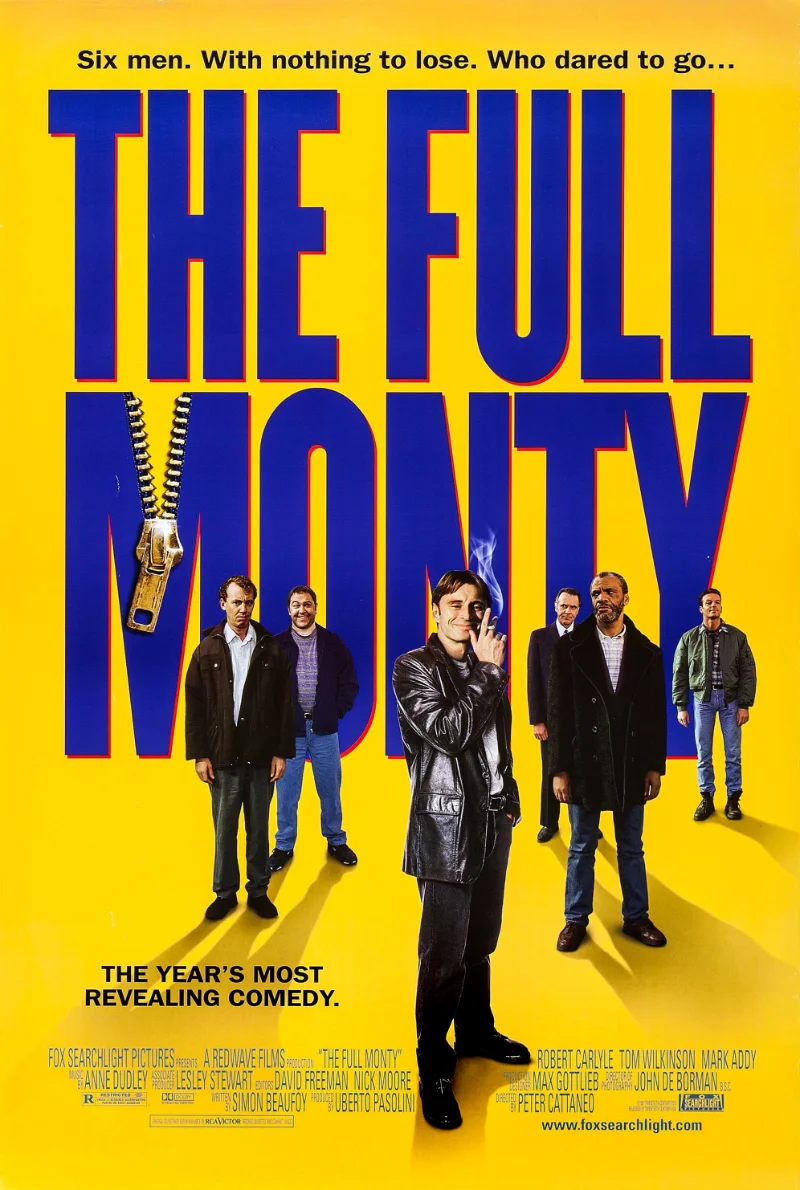
In the landscape of 1990s cinema, where the British film industry sought to redefine its identity amidst economic changes, The Full Monty emerged as a groundbreaking film that not only tackled serious issues but did so with a light-hearted and comedic touch. Directed by Peter Cattaneo, the film stands as a notable entry in his body of work, demonstrating his ability to blend humor with poignant commentary. It became an emblematic representation of the struggle against unemployment in post-industrial Britain while expertly weaving themes of male camaraderie and dignity into its narrative fabric. This combination of political and social relevance with heartfelt storytelling resonated deeply with audiences, transforming The Full Monty into a cultural touchstone.
Central to the narrative is the depiction of a group of unemployed steelworkers in Sheffield who, facing financial ruin, decide to form a male striptease act. What unfolds is a raucous yet touching underdog story that invites viewers to laugh while also reflecting on the resilience of its characters in the face of adversity. Critics have praised the film's sophisticated handling of sensitive topics, unemployment, masculinity, and body image, through the lens of comedy. The sheer absurdity of the men's situation juxtaposes the earnestness of their aspirations, highlighting both their dignity and vulnerability in a world that has cast them aside. In doing so, The Full Monty captures the essence of male bonding in times of trial, depicting how friendship can serve as a lifeline.
Beyond its comedic surface, the film engages with the political climate of the time, revealing how economic factors shape individual lives and identities. Its setting not only serves as a backdrop but also reflects the nostalgia and decline of traditional working-class communities in Britain. This sense of place adds an additional layer, grounding the film's humor in the reality of its characters' experiences. The male camaraderie cultivated throughout the film showcases how these men navigate issues not only related to their financial dependency but also to their perceptions of masculinity and self-worth.
Critics have found much to admire in the film's heartfelt essence. The balance between its quirky humor and touching moments allows for an array of emotional responses, making it deeply relatable. The camaraderie among the characters transforms their journey into an uplifting experience, encapsulating the spirit of resilience and determination. This feel-good narrative does not shy away from raunchy undertones that are playfully integrated, contributing to its crowd-pleasing appeal. As viewers are drawn into this quirky world, The Full Monty ultimately becomes a narrative of empowerment and triumph over societal challenges, told through the lens of humor and camaraderie.
In conclusion, The Full Monty serves as a reminder of the profound impact of community and friendship amidst struggles, all while being wrapped in a commercial appeal that is both nostalgic and uplifting. Cattaneo’s direction has enshrined the film in a revered place within not just British cinema, but also in the broader tapestry of global film that addresses social issues with a smile. Its legacy continues to resonate with audiences today, showcasing the timeless allure of an underdog story that remains relevant in today’s economic landscape.