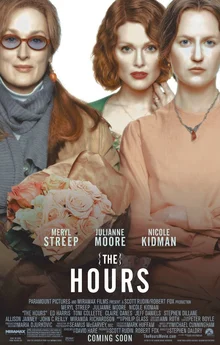
In the landscape of early 21st-century cinema, The Hours stands as a poignant meditation on the complexities of identity, mental illness, and the haunting legacies of literature. Directed by Stephen Daldry, the film interweaves the lives of three women across different time periods, each impacted by Virginia Woolf’s seminal work, Mrs. Dalloway. It is a film that resonates deeply, examining how the struggles with time and self can echo through generations, proving to be both intellectually demanding and emotionally resonant. Daldry, known for his ability to draw out intricate character studies, adds yet another layer to his body of work by crafting a film that explores the nuances of human experience in a deeply affecting manner.
Critics have largely applauded The Hours for its intricate narrative structure which allows for a seamless dialogue between past and present. The characters, Woolf herself, Laura Brown, and Clarissa Vaughan, each navigate their own existential crises, revealing how literature can serve as both refuge and torment. The film's thematic exploration of time underscores the relentless nature of mental health struggles, as each woman confronts her own reality of dissatisfaction and despair. This convergence of identities, shaped by the shadows of Woolf’s narrative, speaks to the power of literature in shaping human lives, highlighting the fundamental human quest for meaning in an often-unforgiving world.
Yet, while The Hours is praised for its artistic richness, it is not without criticism. Some reviews describe the film as cold or vague in its emotional resonance, suggesting that the high stakes of its themes can lead to moments of alienation. The film’s meditative pace, while rewarding for those attuned to its intricacies, can feel tiresome to others. These critiques suggest a divided reception where the deeply crafted layers of storytelling may not strike a chord with every viewer. However, the film's emotionally charged performances and haunting cinematography create an experience that remains profoundly memorable, earning its place in a discussion about cinematic portrayals of mental illness and the influence of classic literature.
Daldry’s ability to weave these three narratives into a cohesive whole, each brimming with richly layered emotion, illustrates his commitment to the medium's potential for introspection and illumination. The echoes of Woolf’s struggles, her own battle with mental illness and her tragic end, transpire through the lives of the women depicted in The Hours, a testament to how literature transcends time, serving as both a mirror and a catalyst for individual identity. This intricate connection deeply affects the viewer, fostering a reflective space in which to consider their own complexities and understanding of time.
Ultimately, The Hours remains a beautifully crafted film that is both intelligent and profoundly affecting. It succeeds in presenting the urgent themes of identity and the passage of time in ways that are sophisticated, inviting viewers to ponder the weight of existence. The film's haunting quality lingers long after viewing, prompting an exploration of the narratives we create for ourselves and the literary legacies we inherit. As a critical piece in Daldry’s oeuvre, The Hours underscores the ability of cinema to evoke empathy and provoke thought, securing its place as a striking exploration of the human condition.