Career Overview
Stephen Daldry occupies a distinct and often debated space within contemporary cinema, having transitioned from an acclaimed theater director to a reliable architect of prestige Hollywood dramas. From the outset of his cinematic career, Daldry demonstrated an unwavering ambition to tackle sweeping, culturally significant narratives. His filmography is built upon the adaptation of celebrated literary fiction, transforming complex, interior novels into handsomely polished, large-scale cinematic events. He quickly established himself as a director who courts both serious academic discourse and mainstream awards recognition, finding commercial viability in subjects that lesser directors might deem too esoteric or heavy-handed.
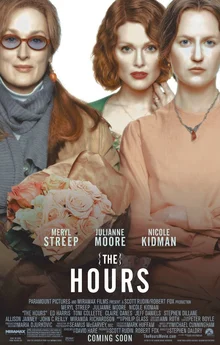
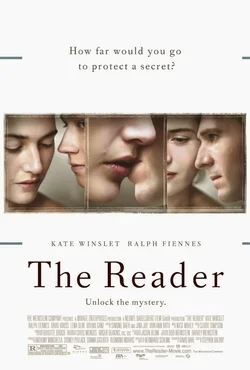
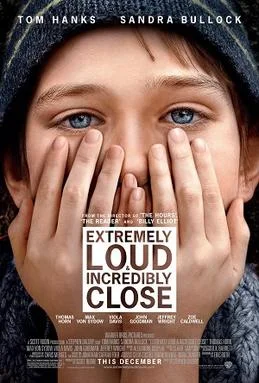
The trajectory of Daldry's career can be traced through three monumental adaptations, each attempting to synthesize vast historical or emotional landscapes. In 2002, he directed The Hours, an intricate adaptation of Michael Cunningham's novel that cemented his reputation for drawing out uniformly excellent performances. He followed this with The Reader in 2008, tackling post-World War II German guilt, and later Extremely Loud & Incredibly Close in 2011, which confronted the national trauma of the September 11 attacks. Through these films, Daldry evolved into a filmmaker who explicitly seeks to bridge the gap between profound personal grief and broader socio-political history, though this ambition has increasingly divided critical consensus.
Within cinema history, Daldry is often categorized as a purveyor of high-end, middlebrow art cinema. His work sits comfortably within the tradition of British and American prestige filmmaking, drawing comparisons to stately period pieces and character-driven historical dramas. While his theatrical roots occasionally manifest in a cautious directorial approach, his ability to corral formidable talent and adapt labyrinthine literature into cohesive, emotionally resonant cinema has solidified his status as a major, if controversial, voice in contemporary film.
Thematic Preoccupations
At the core of Stephen Daldry's cinematic project is a persistent, almost obsessive exploration of grief, loss, and the arduous healing process. He is fascinated by the emotional aftermath of tragedy, whether it be a deeply personal loss or a global catastrophe. In Extremely Loud & Incredibly Close, this theme is rendered through a child's perceptions of the 9/11 tragedy, framing a national wound within the localized pain of a fractured family dynamic. Daldry asks how individuals navigate the inescapable shadow of death, positing the personal journey as a necessary, if sometimes futile, mechanism for achieving catharsis in the face of insurmountable trauma.
Equally central to his filmography is the relentless passage of time and its capacity to either heal or entrench human suffering. The Hours serves as a profound meditation on time, linking three women across different decades through the shared emotional resonance of Virginia Woolf's literature. Daldry uses time not merely as a narrative framing device but as an active thematic force that unearths buried psychological turmoil. Similarly, The Reader explores the consequences of youthful indiscretions as they calcify over decades, forcing its protagonist to grapple with guilt, responsibility, and historical context long after the initial events have passed.
Furthermore, Daldry frequently interrogates the complexities of identity and mental illness, often highlighting characters who are imprisoned by their own psychological or societal confines. The portrayal of mental illness and the contemplation of suicide are treated with severe gravity in The Hours, while The Reader examines the paralyzing shame of illiteracy and complicity. Across his work, Daldry forces his protagonists to make serious moral choices, ultimately questioning whether literature, art, or human connection can truly provide salvation, or if they merely serve as beautiful distractions from an inherently tragic existence.
Stylistic Signatures
Stephen Daldry's visual language is characterized by a meticulously crafted, tastefully posed cinematography that bathes even the most harrowing subjects in a warm, stately glow. Critics frequently note the handsomely polished nature of his films, observing a directorial eye that favors classical framing and elegant compositions. This approach lends a haunting atmosphere to his narratives, elevating the material with a distinctly cinematic grandeur. However, this very aesthetic has led some detractors to describe his tone as warmly lit yet coldly calculated, arguing that the pristine visual wrap can sometimes obscure the raw, messy humanity of the distress being depicted.
Structurally, Daldry is renowned for his mastery of the intricate narrative. Rather than relying on straightforward, linear storytelling, he constructs labyrinthine plots that leap across timelines and perspectives. The Hours seamlessly interweaves three distinct eras using rhythmic editing and recurring visual motifs, creating a cohesive thematic experience out of disparate lives. This structural complexity is also evident in The Reader, which spans decades of memory and regret, and Extremely Loud & Incredibly Close, which adopts a kaleidoscopic, fractured approach to mirror a child's chaotic psychological state following a sudden loss.
Sound and music play a vital, often overpowering role in modulating the emotional depth of Daldry's work. His films frequently employ swelling, emotionally resonant scores that dictate the internal rhythms of the characters. While this technique can result in deeply affecting character arcs and a powerfully emotional narrative, it also risks tipping into mawkish sentimentality. Daldry balances this musical earnestness with long stretches of quiet, thoughtful engagement, oscillating between sweeping cinematic melodrama and intimate, theatrical restraint.
Recurring Collaborators
While Stephen Daldry rarely relies on a recurring ensemble of actors across his filmography, his creative partnerships behind the camera are foundational to his signature style. Foremost among these is his alliance with the esteemed playwright and screenwriter David Hare, who adapted both The Hours and The Reader. Hare's background in theater perfectly complements Daldry's directorial sensibilities, resulting in screenplays that expertly translate dense, interior literary prose into crisp, intellectually rigorous dialogue. Together, they navigate the formidable adaptation challenges inherent in bringing acclaimed literature to the screen.
In the realm of production, Daldry's frequent collaboration with powerhouse producer Scott Rudin has been instrumental in shaping his career trajectory. Rudin produced The Hours, The Reader, and Extremely Loud & Incredibly Close, providing the financial backing and industry clout necessary to mount these ambitious, thought-provoking adaptations. This partnership has allowed Daldry to consistently operate at the highest levels of Hollywood prestige, securing top-tier production talent and ensuring his films receive robust, award-courting campaigns.
Onscreen, Daldry's primary collaborative signature is not a specific troupe of actors, but rather a consistent method of pairing legendary, established performers with breakout youthful talent. He extracts acting excellence from industry titans, guiding them to deeply affecting, often transformative performances. Simultaneously, he places immense narrative weight on young, unproven actors, such as the teenage protagonist in The Reader or the grieving child in Extremely Loud & Incredibly Close. This dynamic casting strategy ensures a clash of generations and perspectives, which becomes a crucial engine for the emotionally complex narratives he favors.
Critical Standing
Stephen Daldry's standing within critical discourse is fiercely polarized, oscillating between immense admiration for his craftsmanship and sharp skepticism regarding his artistic intentions. For many mainstream critics and academy voters, Daldry represents the pinnacle of thoughtful filmmaking. He is routinely praised for his uniformly excellent execution and his ability to draw out exceptional acting performances. Champions of his work view films like The Hours as beautiful, rewarding reading experiences translated perfectly to the screen, celebrating his cohesive thematic vision and profound emotional resonance.
Conversely, a vocal contingent of art critics and cinephiles finds his work frustratingly contrived and needlessly self-important. Detractors argue that his cautious direction often fails to genuinely wrestle with the dark, jagged realities of his subject matter. As noted by critics reviewing Extremely Loud & Incredibly Close, there is an ongoing debate about whether his handsomely polished approach is appropriate for topics like the Holocaust or the 9/11 aftermath. Some argue that such monumental tragedies overwhelm his art, resulting in a faux-highbrow atmosphere that feels hugely artificial when tackling raw historical trauma.
Ultimately, Daldry's legacy is that of a provocateur of the prestige drama, a filmmaker whose works demand to be grappled with, even by those who resist their emotional machinations. His films are undeniable cultural milestones that generate intense debate about the ethics of historical adaptation and the line between profound empathy and vague emotionality. While his reputation may fluctuate between that of a master dramatist and a purveyor of Hollywood sentimentality, his indelible impact on twenty-first-century cinema remains firmly secured in the critical canon.