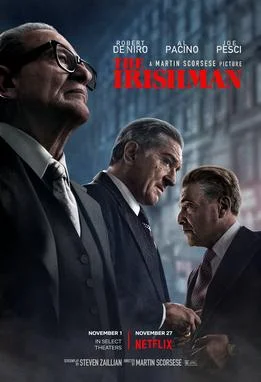
Martin Scorsese's The Irishman stands as a monumental entry in the pantheon of American cinema, reflecting not only the director's lifelong preoccupation with crime and morality but also offering a meditative exploration of aging and mortality. Released in 2019, the film reimagines the gangster narrative by interweaving the themes of friendship and betrayal, set against the backdrop of mafia culture. Scorsese, known for his profound understanding of the human condition through characters that embody the complexities of violence and loyalty, delivers a contemplative masterpiece that examines the costs of a life lived in shadows.
The film's narrative unfolds through the eyes of Frank Sheeran, a hitman recalling his involvement with influential figures in the mafia, particularly Jimmy Hoffa. As Frank reflects on his choices and relationships, the film becomes a haunting meditation on the passage of time, highlighting the ephemeral nature of power and the toll of moral compromises. This reflective tone invites the audience to engage deeply with the narrative, enhancing the sense of inevitability that pervades the story. Critics have described this exploration as both revelatory and electrifying, capturing the intricacies of personal history and collective trauma in a way that resonates long after the credits roll.
In The Irishman, Scorsese contrasts the vibrancy of youth and ambition with the stark realities of aging and regret. The director’s masterful use of digital de-aging technology further enhances this dichotomy, allowing the audience to witness the characters' journeys across decades, while underscoring the haunting weight of their choices. The film ultimately reveals how the violence inherent in mafia culture comes hand-in-hand with profound sadness, encapsulating the emotional fallout of a life invested in betrayal and loyalty, mirrored in the relationships that Frank maintains.
The impact of war and its aftermath also permeates the narrative, with Frank’s experiences as a soldier in World War II shaping his worldview and moral decisions. This historical lens adds complexity to the film, suggesting that the wounds of past conflicts extend beyond the battlefield into the lives of those who survive, influencing their choices in peace and prosperity. As the characters navigate their allegiances, the film becomes not only an exploration of crime but also a wider commentary on human relationships and their fraught dynamics in the face of mortality.
Critical consensus has celebrated The Irishman as both engaging and challenging, with reviews emphasizing its epic scope and the slow burn of its narrative arc. While some viewers may find its deliberate pacing daunting, many recognize this approach as intentional, delicately crafting a layered story that invites contemplation rather than mere consumption. By stepping away from the conventions of high-stakes action and instead embracing a more melancholic view of the criminal underworld, Scorsese revitalizes the gangster genre, leaving audiences with an unforgettable reflection on life, loyalty, and the inexorable passage of time.