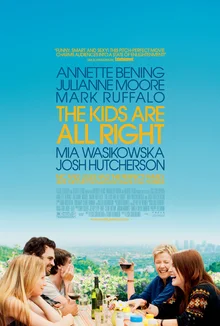
In the landscape of contemporary cinema, Lisa Cholodenko's The Kids Are All Right (2010) stands as a poignant exploration of modern family dynamics. Rooted in the realities of postmodern relationships, the film delves into the complexities of parenting and the intricate web of emotional ties that bind family members together. Cholodenko, known for her insightful treatment of intimate relationships, crafts a narrative that is both wise and moving, challenging traditional notions of family while providing a relatable lens through which audiences can examine their own lives.
The critical consensus surrounding The Kids Are All Right highlights its realistic portrayal of a same-sex couple navigating the tumultuous waters of marriage and parenthood. With nuanced performances by Julianne Moore and Annette Bening as the lesbian couple, the film generates a sparkling tension that underscores the joy and struggle of raising children in a non-traditional household. At its core, it addresses the emotional complexity of familial bonds, showcasing how love, infidelity, and the search for identity can intertwine in unexpected ways, making it a compelling study of relationship dynamics.
One of the film's most commendable features is its ability to balance comedy with deeper, often painful themes. The humor is easygoing and witty, ensuring that audiences remain engaged even when grappling with heavier issues. Cholodenko's direction shines as she creates an entertaining yet intelligent narrative that feels both radical and universal. The film serves not only as an exploration of same-sex parenting but also as a meditation on the myriad challenges faced by all families, regardless of their structure. This relatability enhances its appeal, positioning it as a significant commentary on love and loyalty in the modern age.
The casting choices are inspired, with the performances of its ensemble cast described as beautifully acted and compelling. Mark Ruffalo’s portrayal of the sperm donor introduces an outsider into the established family unit, and his interactions with Moore and Bening's characters highlight the subtle nuances of human relationships. This complexity is simultaneously humorous and earnest, revealing the intricacies of marriage and the evolving definitions of family. Cholodenko’s visionary take on character development allows the narrative to unfold with a depth that resonates deeply, leaving a lasting impact on its audience.
Ultimately, The Kids Are All Right is an insightful reflection on the challenges of parenting and the evolving nature of family. As a film, it navigates through areas of emotional terrain that many might find familiar, intertwining moments of joy with conflict to create a realistic portrayal of modern life. Through its intelligent writing and superb performances, the film not only entertains but also invites discussion about the essential qualities that define family and the meaning of commitment today.