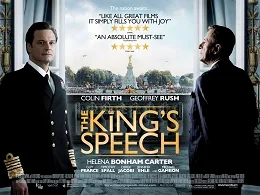
The King's Speech, directed by Tom Hooper, emerges as a significant entry in the realm of historical drama, celebrated for its character-driven narrative and poignant exploration of personal struggle. It arrives at a time when cinema was increasingly leaning toward introspective stories that delve deeper into the emotional lives of historical figures. Hooper, known for his adept hand in weaving intricate human stories, as evidenced by his earlier work on The Damned United, proves his skill once again. The film not only highlights the journey of King George VI but also showcases the broader implications of personal challenges in the context of royal duty and national identity.
Critically acclaimed, The King's Speech resonates with audiences and critics alike for its inspirational themes of friendship and perseverance. At its core lies the relationship between King George VI, played masterfully by Colin Firth, and his speech therapist, Lionel Logue, portrayed by Geoffrey Rush. This unlikely pairing encapsulates the film's exploration of friendship as a means of overcoming formidable obstacles. The heartfelt portrayal of their bond underscores the importance of vulnerability and trust, challenging the stoic facade associated with royalty. The journey towards overcoming a speech impediment transforms into a powerful metaphor for conquering one’s internal demons, mirroring the uncertainties faced by a nation on the brink of war.
The film's thematic richness is enhanced by its historical context, as it delves into the intersection of personal struggle and royal duty. George VI, reluctant to ascend the throne amidst impending global conflict, represents the human face of leadership, weakness and doubt often overshadowed by obligation. This delicate balance between personal aspirations and national responsibilities resonates profoundly, reminding viewers that even those in positions of power grapple with their own vulnerabilities. The film suggests that true strength lies not only in the fulfillment of duty but also in acknowledging one’s limitations and seeking help when necessary.
Critics have praised the performances, particularly Firth’s nuanced portrayal that captured both the king’s insecurities and his burgeoning confidence. Rush's portrayal of Logue complements this beautifully, offering a spirited, unorthodox approach to therapy that emphasizes the human connection over rigid protocols. The craftsmanship in that collaboration is further amplified by a meticulously crafted screenplay and Hooper's direction, which together paint a rich tableau of their growing friendship.
In conclusion, The King's Speech stands as an enduring testament to the resilience of the human spirit in the face of adversity. Its blend of historical context and deeply personal storytelling speaks to a universal audience, reminding us all of the power of friendship and the courage required to confront one’s fears. As a well-acted, inspirational drama, it not only entertains but also provokes contemplation on the nature of leadership and the strength found in vulnerability.