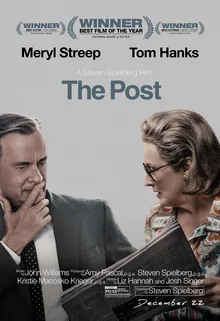
In The Post, Steven Spielberg crafts a cinematic exploration of press freedom and government accountability during one of the most tumultuous periods in American history. This film arrives at a time when the relationship between media and state is once again under scrutiny, reminding audiences of the essential role journalism plays in safeguarding democracy. Set against the backdrop of the Vietnam War and the Nixon administration's notorious efforts to suppress dissent, The Post delves into the ethical dilemmas faced by journalists and the political courage required to reveal uncomfortable truths. Spielberg’s work not only fits within his illustrious filmography, characterized by moral clarity and a focus on historical narratives, but also serves as a timely reminder of the fragile state of civil liberties in contemporary discourse.
Critics unanimously praise The Post for its engaging storytelling and ensemble cast, led by the legendary performances of Meryl Streep and Tom Hanks. Streep’s portrayal of Katharine Graham, the first female publisher of The Washington Post, brings an emotional depth that resonates throughout the film, symbolizing the struggle for gender equality in a male-dominated world. The chemistry among the cast, coupled with Spielberg’s energetic directing style, contributes to a narrative that is both entertaining and thought-provoking. The film's pacing feels dynamic yet focused, effectively intertwining personal stakes with broader social and political issues.
At the heart of The Post lie themes of journalism's role as a pillar of democracy, the ethical obligations of the press, and the consequences of government secrecy. The film probes the tension between the need for transparency and the desire for control, raising poignant questions about the responsibilities of those in power. Critics note that Spielberg manages to balance the historical context with a riveting, almost giddy energy, making complex subject matter accessible and engaging for audiences. This duality achieves a celebratory feel that exalts the freedom of the press while simultaneously confronting its inherent risks.
While some reviewers have pointed out that segments of the movie can lean toward the pat or feeble, especially in moments that echo familiar tropes of political drama, the film’s overall impact is stirring and principled. The narrative reminds viewers of the very real stakes faced by journalists fighting against governmental overreach and censorship. In The Post, Spielberg seems less interested in pedantic exposition than in celebrating the tenacity of the journalists who dared to challenge the status quo, achieving a blend of nuanced character study and broader cultural reflection.
Ultimately, The Post stands as a relevant work in Spielberg's oeuvre, one that resonates with the trials faced by modern journalists in a rapidly evolving media landscape. Its exploration of political courage and the importance of a free press beckons not just reflection on history but vigilance in the present. The film underscores that each generation must grapple with its own challenges to press freedom, making the themes both historical and alarmingly contemporary. In this sense, The Post is not merely a film about the past; it is a clarion call for the future, reminding audiences of their responsibility to uphold democratic values.