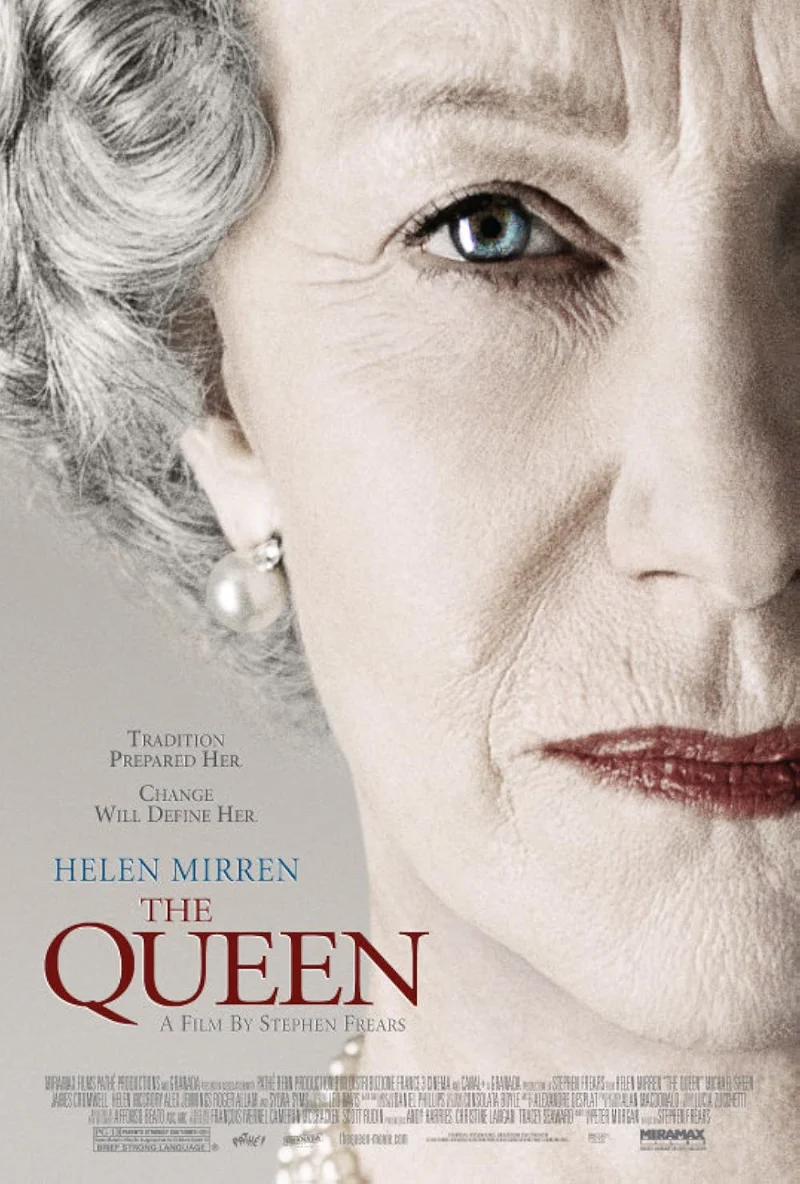
Stephen Frears’ The Queen emerges as a significant work in the landscape of historical drama, and an important entry in the director's body of work, which often navigates the intricate interplay of public figures and the private realms they inhabit. Released in 2006, this film notably examined the royal family's response to the death of Princess Diana, a moment which marked a profound shift in public sentiment and the monarchy's relevance. Frears, known for his capacity to evoke deeply human emotions entwined with social commentary, uses this historical moment to underscore themes of monarchy, public grief, and evolving political dynamics, painting a complex portrait of an institution grappling with modernity.
Critics have widely recognized The Queen as both an intelligent and exacting interpretation of history, portraying a royal presence that is both dignified and vulnerable. The film delves into the eerie transformation of public perception following Diana's death, creating an atmosphere ripe with tension and sadness. At the core of the narrative lies the juxtaposition of the personal and the political, as Queen Elizabeth II, played masterfully by Helen Mirren, navigates the obstinate refusal of her own instincts in the face of a nation’s outpouring of grief. This crackling dramatic story reveals the fragility of the monarchy in its reliance on public goodwill, presenting a political paradigm shift as the royal family confronts an increasingly anti-consumerist society that demands transparency and connection.
The Queen stands out for its meticulous attention to detail, from its costume design to its historical accuracy. The filmmakers crafted an environment that feels authentic, drawing viewers into the royal fold while simultaneously distancing them with a sharp commentary on class and privilege. This creates a thoughtful confection of sorts, an exploration of the monarchy that is as entertaining as it is reflective. The visual elements collaborate with the rich narrative to evoke moments that are both poignant and, at times, surprisingly humorous. The film encapsulates an era marked by a decisive transition, positioning itself not just as a documentary of sorts, but as a vivid representation of a national identity in flux.
The critical consensus around The Queen underscores its ability to discuss the institution of monarchy candidly, exploring how the British royal family is perceived not only as guardians of tradition but as players within a wider, often chaotic political landscape. Frears’ ability to weave these themes into the film contributes to its depth, prompting audiences to question their understanding of royalty and public grief. By balancing subject matter that touches on sadness and hilarity, the film captures the complexities of human emotion in the face of monumental public events. Through The Queen, Frears not only tells the story of a past moment but also comments on the ongoing dialogue surrounding the monarchy and its place in contemporary society.