Career Overview
Stephen Frears holds a distinct position in modern cinema as an adaptable and deeply observant filmmaker. Emerging from the British television landscape, he developed a sharp eye for social realism and class dynamics. His transition to feature films marked the arrival of a director who favored character-driven narratives over rigid auteurist aesthetics, allowing the material to dictate his approach.
The trajectory of his career reveals a fascination with institutional power and human vulnerability. From his early explorations of marginalized British communities in films like My Beautiful Laundrette to his later international successes, Frears has navigated a broad spectrum of genres. His breakthrough with the eighteenth-century period piece Dangerous Liaisons demonstrated his capacity to balance sumptuous historical detail with biting cynical undertones.
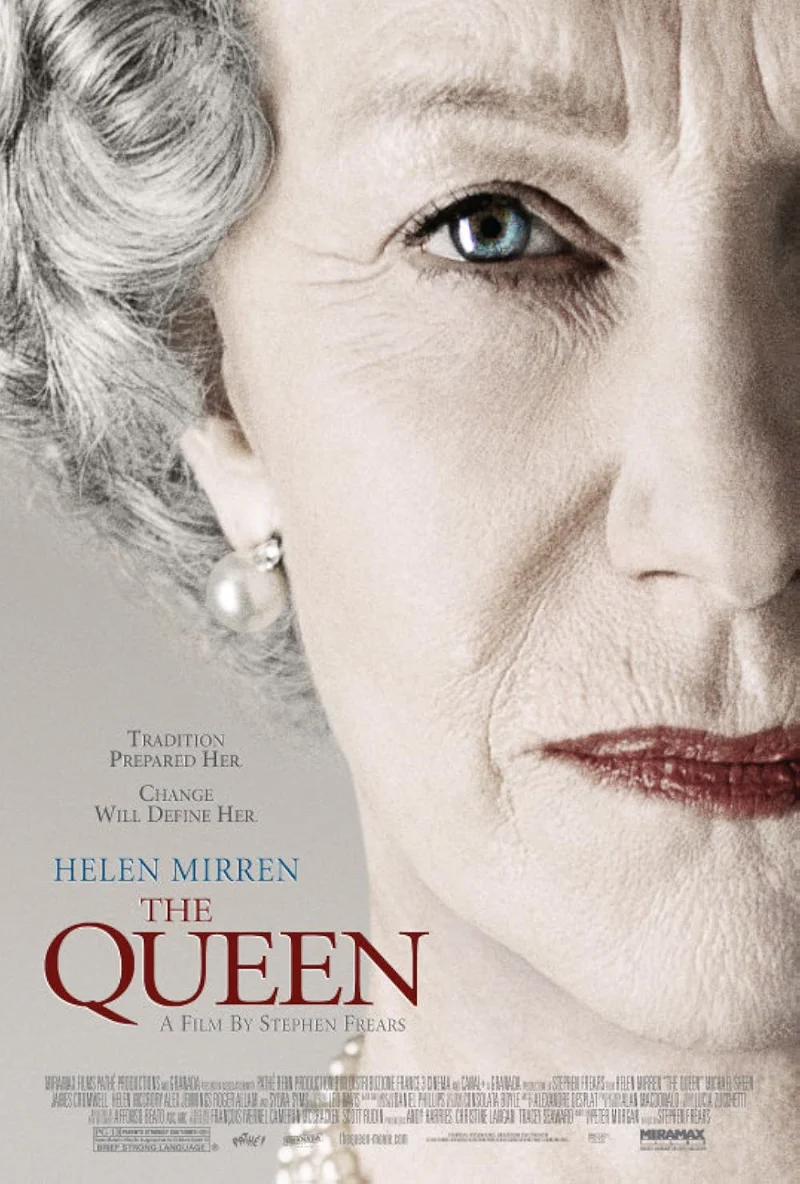
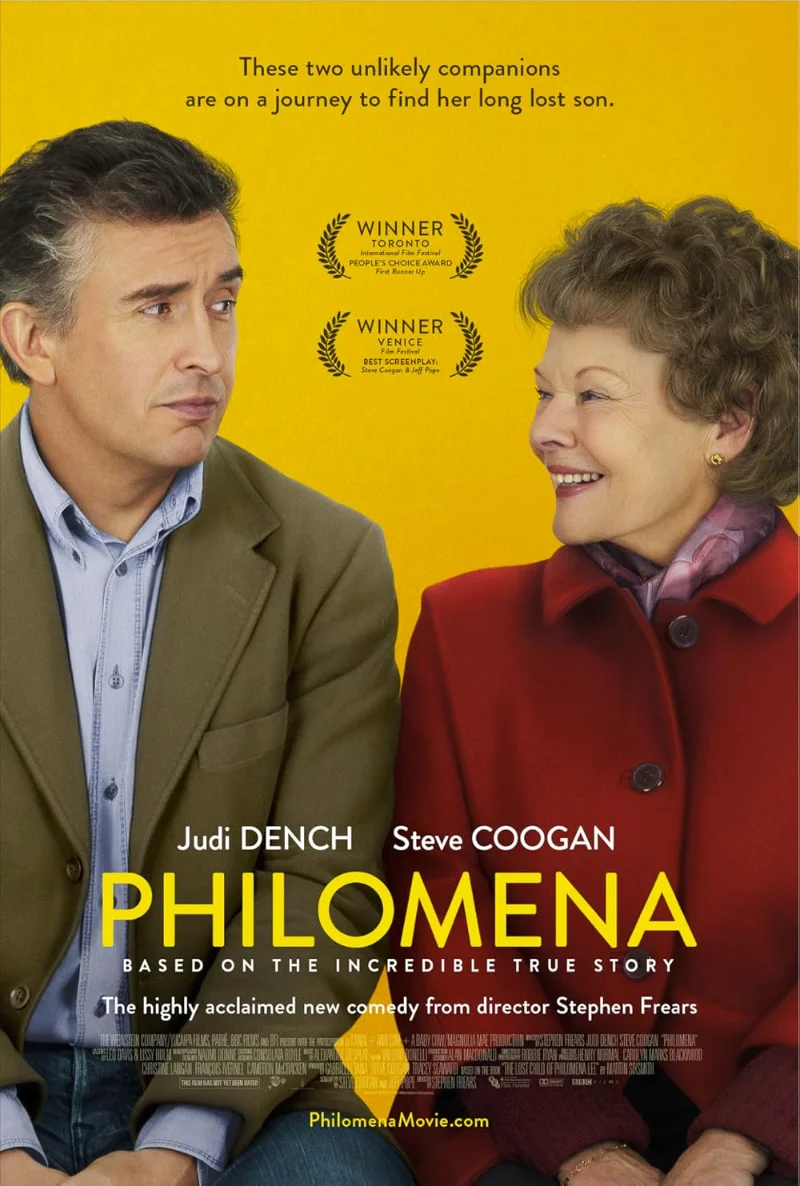
In the twenty-first century, Frears cemented his reputation as a premier chronicler of British institutional life and contemporary history. Works like The Queen and Philomena highlight his maturity as a filmmaker capable of mining complex moral themes from real-world events. Through these later films, he has maintained a steady output of rigorous, thoughtful cinema that appeals to both specialized critical audiences and broader public sensibilities, securing his legacy as a versatile master of the cinematic craft.
Thematic Preoccupations
A pervasive thematic preoccupation in the work of Stephen Frears is the tension between rigid social structures and individual agency. He frequently examines how historical and political paradigms shape personal identity, an exploration vividly realized in The Queen. In this film, the aftermath of Princess Diana passing serves as a catalyst to dissect public grief, monarchy, and a dramatic political paradigm shift, revealing the obstinate refusal of traditional institutions to conform to modern emotional demands.
Frears also harbors a deep interest in the mechanics of deception, seduction, and the corrosive nature of power. This is acutely examined in Dangerous Liaisons, where the French aristocracy provides a backdrop for a seductive and immersive experience driven by deceitful character motivations. The film frames complex moral themes through a cynical lens, suggesting that personal relationships are often battlegrounds for dominance and manipulation, with tragic consequences for those who lack cunning.
Conversely, his later work often counterbalances this cynicism with heartfelt explorations of unexpected friendships and the search for truth. Philomena exemplifies this shift, focusing on an elderly woman searching for her lost family while confronting the dark secrets of the Catholic Church. Here, the interpersonal dynamics between vastly different protagonists facilitate a nuanced exploration of personal identity and emotional depth. Through these varied narratives, Frears continuously asks how individuals negotiate their humanity within unforgiving cultural and institutional frameworks.
Stylistic Signatures
The visual language of Stephen Frears is defined by its adaptability, as he deliberately avoids imposing a uniform stylistic stamp across his filmography. Instead, he employs layered storytelling techniques tailored to the specific atmospheric demands of each narrative. In Dangerous Liaisons, he crafts an eerie atmosphere of intrigue through sumptuous historical detail, utilizing lighting and framing to emphasize the opulent yet claustrophobic world of the French elite. This immersive historical context serves to heighten the gripping plot developments and shocking revelations.
A hallmark of his directorial approach is his reliance on nuanced character development and lingering closeups to convey emotional resonance. Frears trusts the faces of his performers to carry the subtext of a scene, a technique notably deployed in Philomena. By focusing intimately on his protagonist, he achieves a stirring emotional impact that grounds the film without resorting to melodramatic excess. This emphasis on performance over flashy camerawork ensures that the engaging narrative remains front and center.
Attention to detail in production and costume design is another crucial element of the Frears aesthetic. For The Queen, the exacting nature of the wardrobe, rooted in precise Scottish tweeds, underscores the rigid, anti-consumerist traditions of the British royal family. When combined with a rhythm of editing that balances hilarious turns of events with profound moments of reflection, Frears constructs a deceptively simple visual environment. His stylistic restraint ultimately allows the crackling dramatic storylines and thoughtful, intelligent storytelling to shine through without distraction.
Recurring Collaborators
While Stephen Frears is not known for maintaining a large, fixed troupe of actors across all his films, his career is defined by highly synergistic partnerships with formidable performers. He possesses a unique ability to guide veteran actors toward some of the most acclaimed performances of their careers. Judi Dench provides a stellar example in Philomena, where her effortless, moving portrayal of an Irish woman navigating past traumas anchors the emotional weight of the project.
Similarly, his collaboration with Helen Mirren in The Queen resulted in a career-defining turn for the actress. Mirren achieved an eerie transformation that captured both the regal detachment and private vulnerability of the monarch. Frears pairs these central powerhouse performances with equally compelling supporting players, such as Michael Sheen in his hilarious, perceptive role as Tony Blair, or Steve Coogan, who discovered a new dramatic direction under the guidance of Frears.
Behind the camera, Frears frequently relies on artisans who share his commitment to immersive historical accuracy. His work with costume designer Consolata Boyle on The Queen illustrates a shared philosophy where meticulous craft serves the narrative rather than distracting from it. By engaging weavers to create perfectly accurate textiles, Boyle helped Frears establish a tangible, lived-in reality for the royal family. These creative partnerships demonstrate his skill as a facilitator, orchestrating the talents of writers, designers, and actors to achieve a cohesive, masterful cinematic vision.
Critical Standing
The critical standing of Stephen Frears has evolved from his origins as a provocative chronicler of British social issues to his current status as an internationally respected elder statesman of cinema. Critics have long praised his chameleonic ability to transition seamlessly between genres, whether directing a gritty contemporary thriller like The Grifters or a lavish period drama like Dangerous Liaisons. Early in his career, reviewers noted his sharp, unsentimental approach to complex moral themes, which kept even his most absorbing films from becoming conventional.
With the release of The Queen, Frears experienced a significant surge in mainstream critical adulation. The film was widely celebrated for elevating a potentially dry historical drama into a crackling, thoughtful, and intelligent story. Reviewers noted how it captured the political paradigm shift in Britain with precision, comparing his deft handling of institutional absurdity to works like The Madness of King George and the satirical edge of Spitting Image. This era solidified his reputation as an authoritative voice on British identity and public perception.
In recent years, critics have highlighted his capacity for heartfelt storytelling that avoids easy sentimentality. Reviews for Philomena consistently pointed to the unexpected depth and resonance of the film, often comparing its tonal balance to acclaimed works like The Magdalene Sisters or The Best Exotic Marigold Hotel. Reviewers emphasize that Frears allows his actors to command the proceedings, an approach that has kept his work continuously relevant. Today, he is widely regarded as a masterful, unassuming auteur whose obstinate refusal to conform to a single style is precisely what makes his body of work so enduringly fascinating.