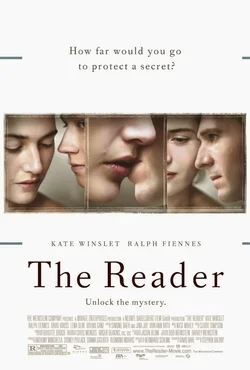
Directed by Stephen Daldry, The Reader (2008) stands as a poignant reflection on guilt, moral responsibility, and the complexities of human nature. The film, adapted from Bernhard Schlink’s novel, weaves together a narrative that examines the repercussions of World War II through the lens of an intense, emotionally fraught relationship between a young boy, Michael, and an older woman, Hanna. Daldry, known for his previous work on The Hours and Billy Elliot, consistently navigates serious themes with a thoughtful and sensitive touch, and this film marks a continuation of his exploration of human emotion against historical backdrops.
Critics have lauded The Reader for its deeply thought-provoking narrative, which evokes a powerful exploration of the moral choices made by its characters. The film's emotional depth is highlighted by its portrayal of conflicted allegiances and the haunting consequences of the past, particularly in the context of the Holocaust. The duality of Hanna, both a lover and a perpetrator, creates a seriously complex emotional landscape, prompting viewers to grapple with broader themes of guilt and responsibility in the shadow of historical atrocities. This duality anchors the film, inviting audiences to question the nature of judgment and redemption.
The critical consensus indicates that while The Reader excels in its earnest ambition and emotional resonance, it may occasionally tread into disengaging territory for some viewers. Daldry’s distinctive filmmaking style, characterized by his warm yet understated visual approach, contrasts with the cold, calculated realities faced by the characters, maintaining a tone that is stately and respectful of its themes. The careful pacing allows moments of reflection but may be perceived as overly cautious by those seeking a more dynamic narrative.
At the heart of The Reader is the exceptional performance by Kate Winslet, whose portrayal of Hanna earned her an Academy Award. Her gifted performance adds layers to a character that elicits both sympathy and horror, embodying the complex interplay of love, shame, and remorse. Supporting actors, particularly Ralph Fiennes as the adult Michael, further enrich the film's emotional tapestry, creating an experience that feels both intimate and expansive in its portrayal of personal and historical tragedies.
The adaptation from page to screen is undeniably challenging, and Daldry’s thoughtful direction emphasizes the nuances of human connections amidst moral dilemmas. The film’s cinematography and use of light contribute to its emotional weight, balancing warmth and discomfort in equal measure. Ultimately, The Reader stands as an exemplary work in contemporary cinema, prompting crucial conversations about history, memory, and the choices that define us, further solidifying Daldry's reputation as a filmmaker who continuously engages with the complexities of the human experience.