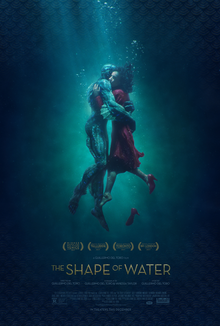
With The Shape of Water, director Guillermo del Toro continues to carve out a niche in fantasy cinema, merging the enchanting with the politically relevant. Released in 2017, this film envelops viewers in a sumptuous blend of romance, horror, and fairy-tale motifs that evoke classic studio-era features while simultaneously pushing the boundaries of contemporary storytelling. The film draws upon del Toro's characteristic affinity for mythical creatures and unconventional narratives, positioning it as both a culmination of his artistic journey and a poignant commentary on societal norms, love, and acceptance during a divided era.
Critics have lauded The Shape of Water as a magical, sensory experience that invites audiences to explore themes of true love and understanding across barriers of species and identity. The film’s central relationship between Elisa, a mute cleaning lady, and an amphibious creature keeps the romantic tension palpably alive, merging sensuality and tenderness with echoes of a beauty-and-the-beast fable. This relationship, portrayed through del Toro’s lens of vibrant visuals and meticulous craftsmanship, captures the essence of idealized love amidst a backdrop of terrors, both external and internal. The narrative straddles the delicate balance between dream and nightmare, offering a myriad of emotional experiences and moral overtones that resonate long after the credits roll.
Critics have also emphasized the film’s gorgeous aesthetics, praising its velvety color palette and detailed production design, which evoke a world that is as mesmerizing as it is haunting. The seamless material of storytelling combines with extraordinary visual elements, creating an experience that feels both otherworldly and grounding. This lavishness, intertwined with strong themes of alienation and acceptance, resonates particularly in today's cultural landscape, where the battle for understanding and compassion continues to play out.
The critical consensus highlights The Shape of Water as a film that not only entertains with its thrilling narratives and irresistible romanticism but also challenges audiences to confront uncomfortable truths about society and acceptance. The film’s unwavering heart beats powerfully beneath its glossy surface, revealing a narrative that, while richly stylized, offers profound reflections on love and being human. As del Toro crafts a mesmerizing homage to the classic horror genre, he invites us to assess the darker corners of our own world, beautifully weaving in moral lessons about empathy and connection, no matter how bizarre the circumstances may seem.
Del Toro’s film stands as a testament to the power of love in all its forms, a celebration of oddities and outsiders. It encapsulates a fierce abandon and an unfettered imagination that dazzles viewers while simultaneously aligning with the director’s broader oeuvre. By presenting a world infused with fantastical elements, The Shape of Water becomes a fevered artistic exercise, one that not only enchants but also demands introspection about our collective fears and desires. In combining awe-inspiring visuals with a thunderous emotional core, del Toro crafts a mosaic that is both reflective and forward-looking, securing The Shape of Water as an iconic piece of contemporary cinema.