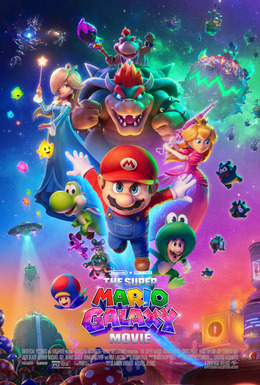
As video game adaptations continue to carve out a niche in contemporary cinema, The Super Mario Galaxy Movie serves as a significant entry into this maturing genre. Directed by Aaron Horvath and Michael Jelenic, known for their work on animated series that often blend humor with emotional depth, the film seeks to capitalize on nostalgia while expanding the beloved Super Mario universe. Positioned as a sequel, it comes after the success of previous adaptations, navigating the tricky waters of audience expectations while leveraging the rich history of the video game franchise. However, while many anticipated an ambitious expansion of Mario's world, what unfolds on screen is a contrasting experience marked by both visual splendor and storytelling deficiencies.
Critical responses to the film highlight a tension between its stunning animation and the thinly rendered plots that have often characterized video game adaptations. Many reviews note the film’s gorgeous and richly textured visuals, which undoubtedly set an appealing aesthetic backdrop. Yet, this beauty often collides with a narrative pace that feels rushed and simplistic, leaving characters underdeveloped and audiences feeling a sense of emotional detachment. The film's humorous elements, reminiscent of family-friendly fare, aim to charm an all-ages audience but sometimes veer into generic territory, leading to critiques of uninspired writing that fails to fully engage viewers.
The consensus reflects a dissonance that is all too familiar in blockbuster sequels, particularly those aiming for a holiday season release. Many critics lament the film's lack of ambition, drawing parallels to its predecessors that rode the coattails of nostalgia without innovating considerably. Despite the vibrant animation and technical mastery involved, the rushed storytelling and pointless pacing might leave fans questioning the film’s artistic merit. This raises critical concerns about whether The Super Mario Galaxy Movie is simply a cash grab, capitalizing on the franchise's legacy rather than striving to push boundaries and tell a fresh story worthy of its source material.
Box office performance tells a contrasting narrative, with the film reportedly achieving one of the largest openings in animated history, indicating that audience draw remains strong despite critical skepticism. The interplay of nostalgia with new content creation taps into a widespread yearning for familiarity, a sensation woven deeply into the fabric of modern cinematic experiences. While many family-friendly features excel in balancing humor with heartfelt moments, the tendency here to prioritize visual flair over narrative depth results in an outcome that feels fast and noisy rather than enriching.
In the broader context of cinema history, particularly within the realm of family-oriented animated films, The Super Mario Galaxy Movie represents both an exciting opportunity and a cautionary tale. It echoes past blockbusters while also seemingly embracing tropes from franchises like Star Wars, leading to a cocktail of influences that may delight some viewers while leaving others feeling disconnected. As audiences continue to embrace the vibrant heritage of franchises, films like this serve to remind us of the balancing act developers face in respecting legacy while innovating for new generations. The sparkling veneer of this adaptation may capture the eyes of a young audience, but whether it will leave a lasting legacy remains an open question.