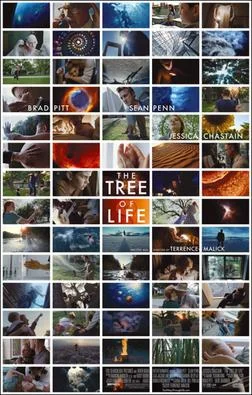
The Tree of Life, directed by Terrence Malick, stands as a monumental work within the realm of cinema, reflecting both a pivotal moment in Malick's career and a transformative entry in the 21st-century film landscape. Released in 2011, this ambitious piece marks a departure from conventional narrative structures, blending elements of memory and spirituality with the nuances of family dynamics. By intertwining the personal and the universal, Malick invites viewers into a contemplative space where existential themes take center stage, challenging conventional storytelling and offering an experience that transcends the typical cinematic journey.
The film weaves a tapestry of memory, grief, and the dichotomy of nature versus grace, embodied in the relationship between a young boy and his parents. Critics have noted the film’s capacity for evocation, using visual poetry to express profound philosophical questions about existence and the human condition. This thematic richness allows for a deeply personal exploration of familial relationships, grappling with loss and the profound impacts of upbringing. In essence, The Tree of Life speaks to the universal nature of our experiences while maintaining a distinctively intimate frame of reference.
Malick’s style, characterized by long takes and a meditative pace, culminates in a cinematic expression that is as much about feeling as it is about narrative. The film has often been described as ineffable, it's a hybrid of artistic expression that merges philosophical inquiry with visceral imagery. Not only does it draw on Malick's own experiences within his family, but it also opens the door to broader discussions about the intersection of spirituality and existence. Critics have praised the film’s ambition, its willingness to question and to explore profound themes without providing easy answers.
In surveys of the film’s reception, consensus seems to favor its magisterial approach, beautiful yet complex, slow yet overwhelmingly powerful. This juxtaposition gives The Tree of Life its distinctive air, as it oscillates between moments of tranquility and overwhelming emotional depth. Viewers are perhaps least prepared for the film’s secretive nature; it often refuses to present clear narratives, instead inviting audiences to engage with its visual poetry and symbolism on a more intuitive level. This complexity resonates with those who appreciate cinema as an art form, elevating the film beyond mere entertainment to a spiritual experience.
In time, The Tree of Life will likely be regarded as an essential film that resonates with audiences long after its release. By engaging with themes of existence and the universal quest for meaning, it challenges viewers to reflect on their own lives and relationships. Ultimately, it is a work that embodies Malick’s vision, a cinematic endeavor that endeavors to capture something ineffable about the human experience, urging us to look beyond the mundane and into the magnificent.