Career Overview
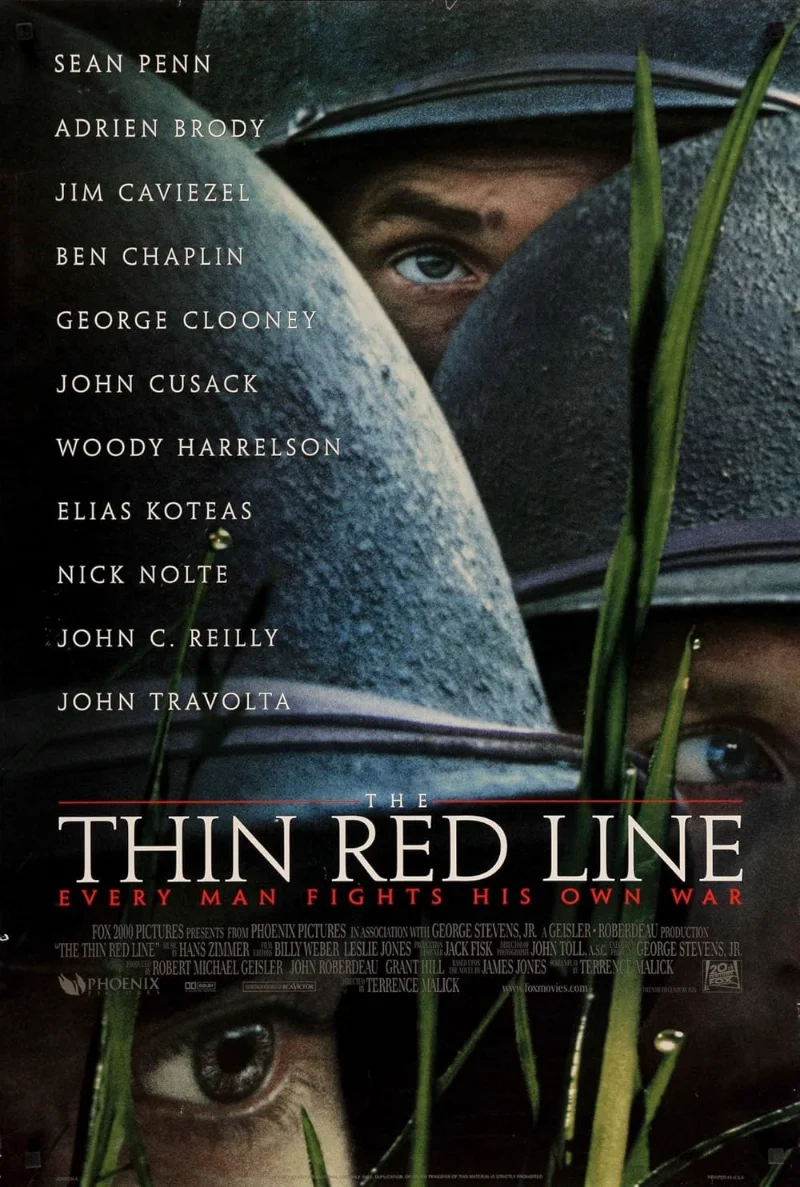
Terrence Malick occupies a singularly mythic space within American cinema, celebrated as much for his visionary filmmaking as for his famously secretive nature. Emerging as a defining voice in the 1970s, he established a lyrical and poetic style with early masterpieces like Days of Heaven before retreating from the public eye. This two decade hiatus only amplified his legend, setting the stage for a highly anticipated return with The Thin Red Line in 1998. The film marked a maturation of his artistic and spiritual quality, proving that his time away had deepened his existential reflection and contemplation.
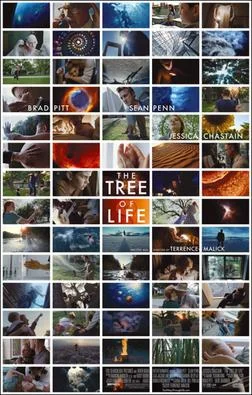
As his career progressed into the twenty first century, Malick embraced increasingly complex narrative structures and ambitious storytelling. The Tree of Life, released in 2011, demonstrated a toweringly ambitious approach that critics likened to 2001: A Space Odyssey. Moving away from traditional plot mechanics, his work morphed into hybrid structures that prioritize ineffable experience over straightforward exposition. This evolution highlights a creator deeply invested in pushing the boundaries of cinematic expression.
Throughout his trajectory, Malick has maintained a deeply personal and singular narrative approach. His work is often described by critics as a kind of cinematic philosophy course, attempting to teach audiences a fundamental understanding of existence. Despite the vast ambition inherent in his projects, his films retain a profound humility, reflecting the soul of an artist who continually questions what we want out of cinema and what we seek from the world itself.
Thematic Preoccupations
At the core of Terrence Malick's filmography is an unrelenting exploration of existential themes and human mortality. He consistently frames the intimacy of human emotion against the overwhelming backdrop of cosmic history and the natural world. In The Tree of Life, this duality is distilled into the profound conflict between nature and grace. The film navigates complex family dynamics and the sharp sting of grief while simultaneously mapping the origins of the universe, positioning personal loss within a timeless and transcendent scope.
The spiritual inquiry present in his family dramas takes on a different valence when applied to historical conflict. The Thin Red Line strips away the conventional heroics of the war genre to focus on the brutal realities and the dehumanizing effects of combat. Here, Malick dwells on the indifference and the brutality of nature, juxtaposing the ethereal horror of the Battle of Guadalcanal against the verdant serenity of the Pacific landscape. War is depicted not merely as a historical event but as an absurd and timeless manifestation of human frailty.
Across these disparate settings, memory exploration serves as a vital thematic bridge. Whether charting the loss of innocence of a young boy in 1950s Texas or the psychological fragmentation of soldiers in World War II, Malick portrays human consciousness as a fluid, dreamlike state. His characters are perpetually engaged in spiritual reflection, seeking moments of grace amidst violence and sorrow. This relentless questioning of existence elevates his narratives from mere dramatic portrayals into profound meditations on the human condition.
Stylistic Signatures
The visual language of Terrence Malick is defined by its magisterial presentation and its departure from conventional cinematic pacing. He relies heavily on a lyrical and poetic style that prioritizes cinematic atmosphere over dialogue driven plot. In The Tree of Life, this manifests through superb craftsmanship that creates an almost hallucinatory experience, weaving together cosmic sequences with the intimate, sunlit details of a mid century childhood. The camera is rarely static, floating through spaces to capture moments of ephemeral beauty and spiritual uplift.
Malick routinely employs a hybrid structure that blends grounded realism with avant garde technique. Critics frequently note the slow pacing of his films, which serves a deliberate contemplative purpose rather than functioning as a narrative flaw. In The Thin Red Line, he effects a hyper reality within the jungle environment, using evocative soundscapes and lush cinematography to immerse the audience in the psychological states of his characters. This approach transforms historical horrors into something resembling horror seen through the detachment of dementia.
The director also challenges standard narrative conventions by utilizing fragmented editing and impressionistic voiceovers. These techniques contribute to the secretive, interior nature of his storytelling, demanding that audiences surrender to the sensory experience rather than search for linear coherence. By fusing complex spiritual inquiry with stunning visual artistry, Malick creates films that feel entirely out of time, favoring pure cinematic expression over traditional exposition.
Recurring Collaborators
While Terrence Malick is celebrated as an auteur with a uniquely secretive nature, his visionary filmmaking is deeply reliant on a collaborative vision. He demands profound vulnerability from his actors, who are often asked to discard traditional scripts in favor of discovering raw, unscripted moments on set. This process requires a specific type of performer willing to become a textural element within a broader cinematic canvas.
Sean Penn stands out as a crucial recurring presence in the director's work. Penn anchors the philosophical wanderings of both The Thin Red Line and The Tree of Life, serving as a brooding, modern surrogate for Malick's existential contemplation. In The Thin Red Line, Penn portrays a pragmatic soldier navigating the spiritual complexities of war, while in The Tree of Life, he plays the adult version of the protagonist, silently grappling with memory and the modern world. His grounded intensity provides a necessary counterweight to the ethereal qualities of the surrounding film.
Furthermore, the collaborative nature of Malick's sets has drawn some of cinema's most acclaimed talent, motivated by the prospect of participating in a toweringly ambitious project. Brad Pitt, for example, delivers a superb performance as a stern, grieving father in The Tree of Life. Actors in Malick films recognize that their performances will be interwoven with cosmic visions and nature photography, contributing to a deeply personal work that reveals the soul of the collective effort as much as that of the director.
Critical Standing
The critical reputation of Terrence Malick is as complex and layered as his filmography. He occupies a revered but polarizing space within the critical discourse. Upon the release of The Thin Red Line, reviewers noted the anticipated mixed reception and mixed marketing strategies, pointing out that his poetic adaptation was oceans away from the moral directness of contemporary war films like Saving Private Ryan. Yet, prestigious outlets like Empire Magazine ultimately declared the film to be something genuinely special, even as others like Roger Ebert noted a certain narrative schizophrenia.
With the release of The Tree of Life, Malick solidified his standing as a purveyor of vast ambition and deep humility. The Guardian heralded the film as a magnificent, visionary work that attempts to teach viewers the fundamentals of existence. Critical comparisons to Stanley Kubrick's 2001: A Space Odyssey and Francis Ford Coppola's Apocalypse Now became commonplace, cementing Malick's status alongside the most significant cinematic artists of the twentieth and twenty first centuries.
Today, Malick is viewed as an uncompromising cinematic artist whose work transcends standard critic evaluations. While his slow pacing and abstract structures occasionally frustrate mainstream audiences, scholars and cinephiles champion his films as masterclasses in cinematic artistry. He is celebrated for making people ask what they want out of cinema, consistently challenging the boundaries of the medium while maintaining a fierce evocation of human feeling.