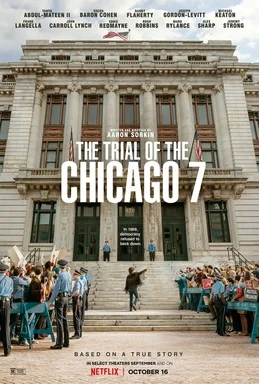
Aaron Sorkin’s The Trial of the Chicago 7 immerses audiences in the tumultuous landscape of 1960s America, encapsulating a moment when political activism clashed starkly with the justice system. This film, which represents a significant chapter in political trial cinema, is both a heartfelt homage to the counterculture movement of the era and a commentary on the eternal struggle for freedom of speech. As Sorkin builds on his reputation for crafting engaging narratives filled with sharp dialogue, he draws on the true story of the Chicago Seven, activists charged with conspiracy following their protests at the 1968 Democratic National Convention. In doing so, he not only chronicles an event steeped in historical controversy, but also examines the broader implications of governmental authority over dissent.
The film boasts an ensemble cast that delivers powerful performances, each encapsulating the diverse political ideologies and personal beliefs that fueled the protests. Characters are not simply avatars of their historical counterparts; they emerge as complex individuals grappling with the intersections of idealism, morality, and pragmatism. In this courtroom drama, billed as intensely provocative and at times exasperating, Sorkin successfully navigates the tension between an engaging portrayal of the trial and the sometimes ponderous nature of legal proceedings, creating a dynamic narrative that remains relevant to contemporary audiences. Critics appreciate how the film skillfully balances emotional resonance with an underlying critique of the judicial system, making every courtroom exchange feel electrifying.
Moreover, The Trial of the Chicago 7 addresses the frustrations inherent in political activism and the broader struggle for social justice, painting a portrait of protest movements that is as relatable today as it was five decades ago. The trial itself serves as a microcosm of deeper societal rifts, reflecting issues such as systemic inequality, governmental overreach, and the fundamental right to dissent. While some reviews indicate that the film suffers from excess, criticized as bloated or misjudged in parts, it nonetheless succeeds in sparking dialogue about the legacy of the 1960s protests and the modern implications of political engagement.
Critically, The Trial of the Chicago 7 is celebrated for its timely relevance, resonating with current societal and political issues regarding freedom of speech and civic participation. Despite mixed critiques around pacing and structural choices, the film emerges as a forceful reminder of the potency of collective action in challenging the status quo. Sorkin’s deft direction and compelling storytelling make the film both an educational experience and a call to action for audiences to reflect on their own roles within the ongoing discourse surrounding activism.
In contextualizing The Trial of the Chicago 7 within Aaron Sorkin’s body of work, it becomes evident that this film serves as an extension of his exploration of the complex dynamics between politics and morality. Through sharp dialogue and well-structured storytelling, Sorkin invites viewers to engage with the past while simultaneously confronting present-day dilemmas. The film stands as a testament to the power of cinema to provoke thought and inspire change, allowing it to resonate across generations and context.