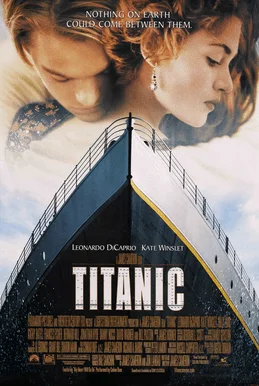
Directed by James Cameron, Titanic stands as a monumental achievement in cinema, encapsulating both the director's ambition and the complexities of filmmaking at the end of the 20th century. Cameron, known for his spectacular visual storytelling in films like Terminator 2: Judgment Day and Aliens, infused Titanic with a grand vision of love and loss against the backdrop of one of history's most infamous maritime tragedies. Despite its overambitious nature and the challenges of being overbudgeted, the film emerged as a visually stunning spectacle, blending historical accuracy with melodrama, and resonating with audiences worldwide.
The critical consensus surrounding Titanic is that it succeeded in not only captivating viewers through its emotionally charged narrative but also delivering a visually impressive experience. The film’s portrayal of the ill-fated voyage combined with a heartbreaking romance between Jack (Leonardo DiCaprio) and Rose (Kate Winslet) struck a chord with audiences, transforming its cinematic scope into a personal connection for many. Critics praised the film’s script for its intertwining of historical reflection and character development, laudably balancing spectacle with emotional depth, a feat that further solidified its status as a classic.
Released in 1997, Titanic rapidly shattered box office records, standing as a testament to its popular appeal and universal themes of love, loss, and resilience. It not only became a cultural phenomenon but also prompted reflections on societal issues such as class disparity, which were echoed through its character arcs and narrative decisions. The film's success was no mere stroke of luck; it stemmed from Cameron’s meticulous attention to detail and the extensive research conducted to recreate the Titanic's ambiance and its tragic ending.
Moreover, Titanic redefined the disaster film genre by marrying its historical context with a compelling narrative. The film’s ability to evoke strong emotional responses was not merely a product of Cameron’s direction but also of the actors' poignant performances. DiCaprio and Winslet's chemistry coupled with a well-written script created a believable world that resonated across generational divides. The impact of Titanic continues to be felt today, influencing both contemporary filmmakers and audiences alike, marking a significant moment in the evolution of blockbuster filmmaking.
In reflecting on its critical legacy, Titanic emerged as both a commercial triumph and a touchstone for cinematic storytelling. With its blend of visual splendor, rich character development, and historical gravitas, it remains a pivotal film that not only dominated the box office but also ignited conversations about artistic ambition in filmmaking. As a culture steeped in visual narrative, we can observe the film's influence stretching far beyond its release, marking it as a cornerstone in cinema history.