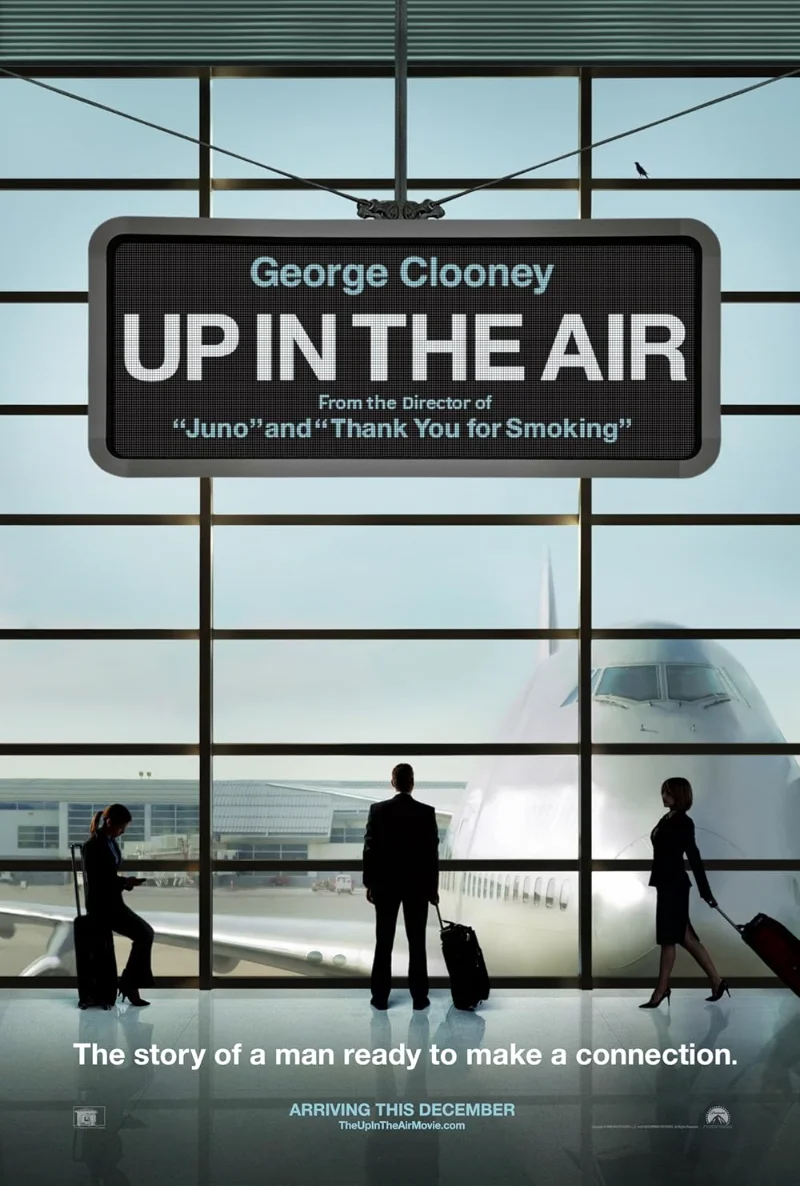
In the landscape of modern cinema, Up in the Air (2009), directed by Jason Reitman, stands out as a poignant exploration of the human experience amidst the cold mechanisms of corporate America. Reitman, known for his keen satirical lens on contemporary issues, crafts a narrative that is not only reflective of the financial realities of the late 2000s but also delves deeply into profound themes of isolation and connection. This film serves as a compelling addition to his body of work, joining the ranks of films that comment on social dynamics with intelligence and grace.
Critics have widely acknowledged Up in the Air for its nuanced take on corporate downsizing and the emotional toll it exacts on individuals. The protagonist, Ryan Bingham, played with remarkable poise by George Clooney, exemplifies the archetype of the hired business gun, tasked with delivering life-altering news to employees facing termination. This role, which has been labeled one of Clooney's best performances, reveals not just the chilling effects of corporate policies but also the profound loneliness that accompanies such a lifestyle. The film portrays Bingham’s superficial relationships, which contrast sharply with the authentic human connections he desperately seeks.
Central to the critical consensus surrounding Up in the Air is its exploration of isolation within the framework of professional life. As Ryan navigates the sterile environments of hotels and airports, the film’s cinematography evokes a sense of anonymity, reflective of the characters' emotional disengagement. Yet, this anonymity also becomes a fertile ground for moments of genuine connection, exemplified through his encounters with fellow travelers, and eventually with Anna Kendrick’s character, who offers an unexpected glimpse of warmth and potential. The evolving nature of their relationship further emphasizes the film’s theme of personal growth, as Ryan confronts the implications of living a life devoid of meaningful attachments.
The film's engaging narrative intertwines sharp social commentary with moments of light-heartedness, making it an insightful study of contemporary life. Critics have praised Reitman’s ability to balance the heavier themes with an assured touch, providing audiences with an accessible yet thought-provoking cinematic experience. As a reflection of its time, Up in the Air captures the urgent realities of economic distress while simultaneously confronting the often overlooked emotional landscapes that accompany such crises. The film remains relevant, resonating with viewers who grapple with similar challenges today.
In summary, Up in the Air encapsulates the intricate dance of connection and isolation in the modern corporate landscape. Through its smart storytelling and engaging performances, the film invites viewers to reflect on their own lives, relationships, and the societal structures that govern them. Reitman’s film is both a mirror and a window, a chance to glimpse the fragile thread that binds us amidst the relentless pursuit of success. As a sophisticated filmmaker, Reitman has delivered a timeless narrative, ensuring that Up in the Air will continue to prompt discourse long after its initial release.