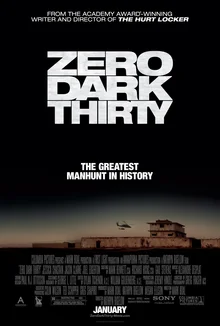
Directed by Kathryn Bigelow, Zero Dark Thirty occupies a significant place in both the landscape of contemporary cinema and her own oeuvre. Released in 2012, the film offers a stark and probing examination of the relentless pursuit of Osama bin Laden, framed within the chilling context of post-9/11 America. Bigelow, already recognized for her incisive portrayals of complex themes in films such as The Hurt Locker and Point Break, takes her narrative style to an unsettling level here, employing a forthright and above-board approach that reflects the moral ambiguities present in the CIA operations undertaken during this fraught period in American history.
Critics have lauded Zero Dark Thirty for its narrative drive, emphasizing the film's coiled precision as it details the dogged, often disconcerting efforts of a dedicated CIA agent, Maya, played by Jessica Chastain. The portrayal of torture and the ethical dilemmas surrounding it forms a crucial aspect of the film, prompting intense debate regarding the political ethics and moral ramifications of such actions in the name of national security. This exploration of the vital center of American identity is masterfully woven into the fabric of the film, as Bigelow presents a morally gray world where the line between right and wrong becomes increasingly blurred.
The film's presentation of torture, at times veering into what some have termed "torture porn," remains a contentious point of criticism. While some viewers appreciate the film's unflinching gaze at the reality of these operations, others challenge whether its depiction may sensationalize an inherently traumatic subject matter. Yet, it is precisely this heightened realism that assists Zero Dark Thirty in grounding itself in a narrative that feels ripped-from-the-headlines, serving both as an indictment and a portrayal of America’s reaction to terrorism and the lengths to which it is willing to go in the name of security.
Amid the chaos and the morally fraught landscape presented in Zero Dark Thirty, Bigelow crafts a compelling character study that serves as a chameleon to broader American sentiments and prevailing fears post-9/11. Maya's relentless pursuit of a single target embodies the obsessive nature of a nation grappling with its own identity and the implications of its ideals in a world marked by fear and uncertainty. As audiences engage with the film, they inevitably confront their own perspectives on the ethics of warfare, the justification for extreme measures, and the complexities of vengeance in a contemporary context. In this way, Zero Dark Thirty transcends mere recounting of events, prompting a deeper reflection on America’s psyche and decision making in an epoch riddled with distressing choices.