Career Overview
Bennett Miller has established himself as a meticulous chronicler of American ambition and moral compromise. Emerging in the mid-2000s, his transition from documentary to narrative features signaled the arrival of a director fascinated by the interior lives of historical figures. His work eschews the traditional conventions of the biographical picture, opting instead for concentrated narratives that isolate specific crises of character.
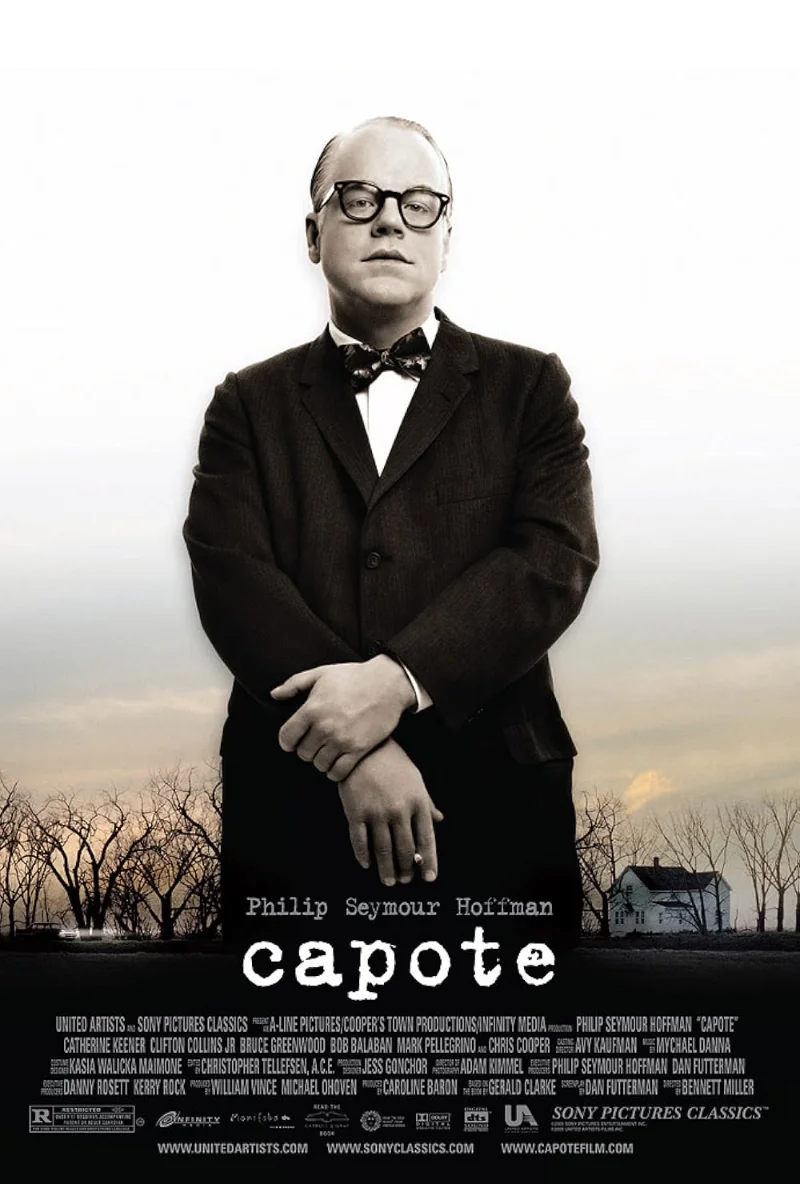
With Capote in 2005, Miller demonstrated a fully formed cinematic voice, investigating the psychological toll of literary creation. The film positioned him as a formalist who treats historical events not as pageants but as intimate tragedies. Rather than spanning decades, Miller restricts his timeline to explore the moral decay required to produce a masterpiece, subverting the typical Hollywood historical drama.
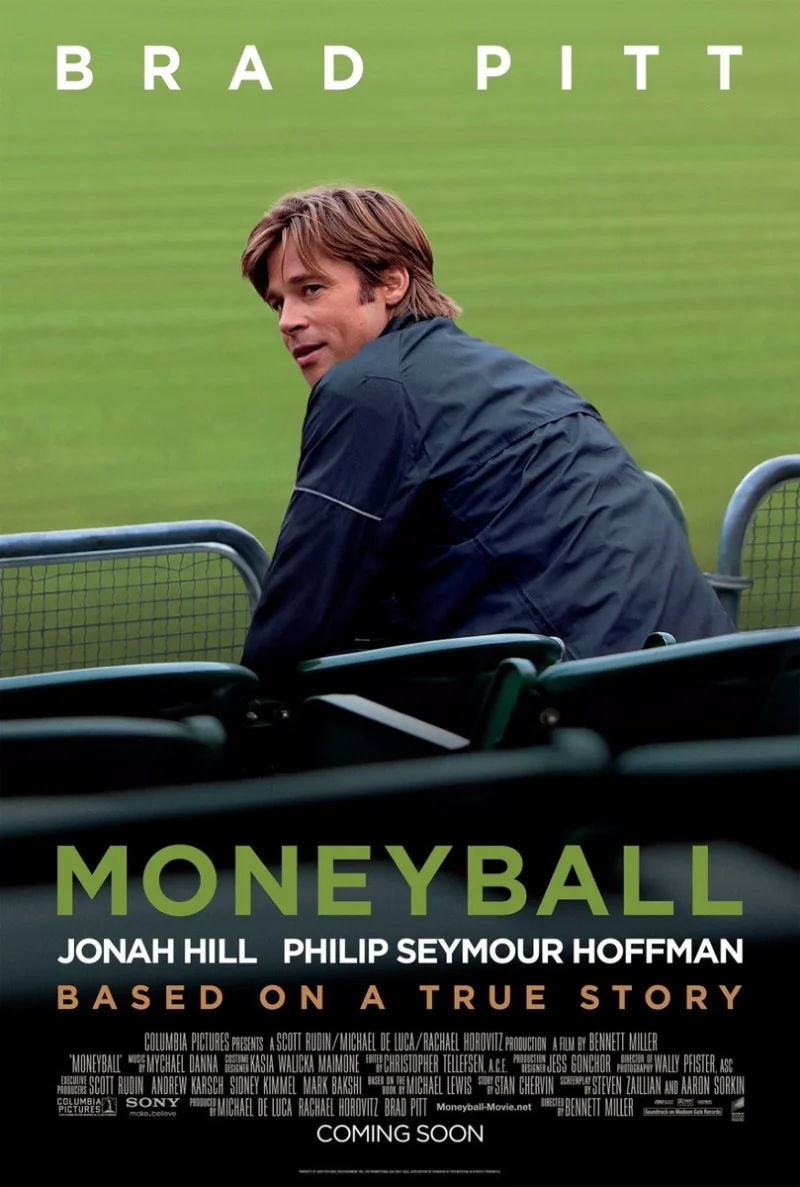
This rigorous approach continued with Moneyball in 2011, where Miller applied his forensic lens to the business of baseball. By focusing on the friction between innovation and tradition, he elevated a sports narrative into an existential study of value and intuition. Across these works, Miller has secured a unique place in contemporary cinema as a director of intense, methodical character studies that dissect the mythologies of American success.
Thematic Preoccupations
At the core of Miller's filmography is a profound obsession with the cost of achievement. His protagonists are driven by a singular vision that invariably leads to personal sacrifice and moral conflict. In Capote, the quest for artistic integrity becomes indistinguishable from artistic exploitation, as Truman Capote sacrifices his basic humanity to complete his nonfiction novel. The devastation of this choice forms the emotional bedrock of the film, highlighting Miller's interest in the parasitic nature of the creative struggle.
This thematic preoccupation with professional obsession mutates in Moneyball, where the battlefield shifts from literary salons to the mathematics of sports and statistics. Billy Beane's reliance on data over intuition mirrors Capote's cold extraction of facts from his subjects. Both men operate within systems that resist their unorthodox methods, pitting individual innovation against entrenched institutional tradition.
Furthermore, Miller frequently explores the concept of moral ambiguity and character assassination. His protagonists are often unsympathetic figures, inward and lonely men who manipulate those around them to achieve their ends. Capote exploits a condemned man, while Beane commodifies athletes, viewing them as mere numbers on a spreadsheet. Miller refuses to sanitize these actions, presenting their choices with a cold, observational detachment.
Through these explorations, Miller questions the very nature of the American Dream. He strips away the triumphant tropes of the underdog sports movie and the inspirational author biopic. Instead, he offers a sobering examination of the isolation that accompanies visionary thinking, suggesting that true originality demands a surrender of self-respect and basic empathy.
Stylistic Signatures
Visually and rhythmically, Miller employs a remarkably concentrated narrative style. Critics have noted his focused execution, which creates an austere atmosphere where actors can flourish. His camera is often static, observing character dynamics with a Kubrickian detachment. This intelligent storytelling avoids flashy camera movements, relying instead on precise composition to externalize the internal isolation of his protagonists.
Miller's pacing is deliberate and methodical. He utilizes quiet, lingering shots that emphasize the mundane realities of his subjects' lives, whether it is the dreary Midwestern landscapes of Capote or the sterile, fluorescent-lit offices of Moneyball. Some detractors have interpreted this pacing as dull or wavering, but this slow accumulation of detail is essential to his affecting narratives. It allows the devastating emotional impact of the characters' choices to register fully with the audience.
In his approach to genre, Miller actively dismantles formulaic structures. Moneyball operates as a rare sports movie that denies the audience a conventional, rousing final victory, opting for a funky, cerebral approach to the underdog trope. Similarly, Capote bypasses decades of biography to focus entirely on a singular, grueling psychological event. This refusal to adhere to expected structural beats is a hallmark of his directorial vision.
Sound design and dialogue in Miller's films are equally restrained. Conversations often play out in hushed tones or tense, overlapping bursts, prioritizing subtext over exposition. The tension between statistics and intuition, or empathy and ambition, is frequently articulated through the silences between characters, making the rare outbursts of emotion feel intensely powerful and moving.
Recurring Collaborators
A cornerstone of Bennett Miller's artistic success is his profound collaboration with actors, most notably the late Philip Seymour Hoffman. Their creative partnership, which began long before their formal cinematic collaborations, culminated in Capote. Hoffman did not merely imitate the famous author but channeled his essence, portraying him as a magnificently unsympathetic figure. This performance anchored Miller's vision of artistic ruthlessness, setting a high standard for character interpretation.
Hoffman's presence in Miller's work extends beyond a single leading role. He also appears in Moneyball, playing the stubborn Oakland Athletics manager Art Howe. In this supporting capacity, Hoffman acts as the physical embodiment of institutional tradition, providing the necessary friction against the protagonist's data-driven innovations. The shorthand between director and actor allows Hoffman to imbue a relatively small role with immense gravitas and historical weight.
Beyond his work with Hoffman, Miller has demonstrated a unique ability to guide leading men to career-defining performances. His collaboration with Brad Pitt in Moneyball resulted in a portrayal of Billy Beane that was inward, lonely, and stripped of traditional Hollywood vanity. Miller's focused directorial environment provides the exact psychological space these actors need to explore the moral ambiguities of their characters without the safety net of melodrama.
Critical Standing
Bennett Miller holds a highly respected, if somewhat polarizing, position in contemporary film criticism. He is widely praised for his intelligent storytelling and his ability to subvert traditional genre expectations. Critics frequently compare his aesthetic rigor and emotional detachment to Stanley Kubrick, while likening his specific narrative focus to the structural precision of The Social Network. His films are celebrated as intense, moving experiences that challenge audiences to engage with difficult, morally compromised protagonists.
However, Miller's austere approach has not been universally embraced. Some critics find his execution occasionally underwhelming, noting that his concentrated narratives can sometimes feel skimpy on historical details. Publications like Slant Magazine have pointed out a wavering focus in Moneyball, arguing that the film intermittently flattens its narrative into formula. Similarly, certain reviews of Capote have accused the director of having an axe to grind against his subject, focusing too heavily on the gruesome aspects of character assassination.
Despite these critiques, the consensus remains that Miller is a filmmaker of rare originality. His willingness to present protagonists as deeply flawed, unsympathetic figures has earned him significant acclaim among serious cinephiles. The comparisons to Richard Brooks' adaptation of In Cold Blood highlight Miller's distinct, modern perspective on true crime and authorial responsibility.
Over time, Miller's reputation has solidified as a master of the modern, anti-triumphant American tragedy. While his output is relatively sparse, each film serves as a major cinematic event, eagerly anticipated by critics and scholars. His work continues to be analyzed for its devastating emotional resonance and its unwavering commitment to exposing the dark underbelly of ambition, securing his legacy as a vital, uncompromising voice in twenty-first-century cinema.