Career Overview
Buster Keaton stands as a foundational architect of cinematic language, operating at the intersection of physical comedy and profound structural innovation. As a defining figure of the silent era, his dual role as performer and director established a paradigm of auteurism long before the term entered critical parlance. He emerged not merely as a comedian but as a visionary who synthesized narrative momentum with staggering mechanical scale, securing his legacy as a purely American film genius.
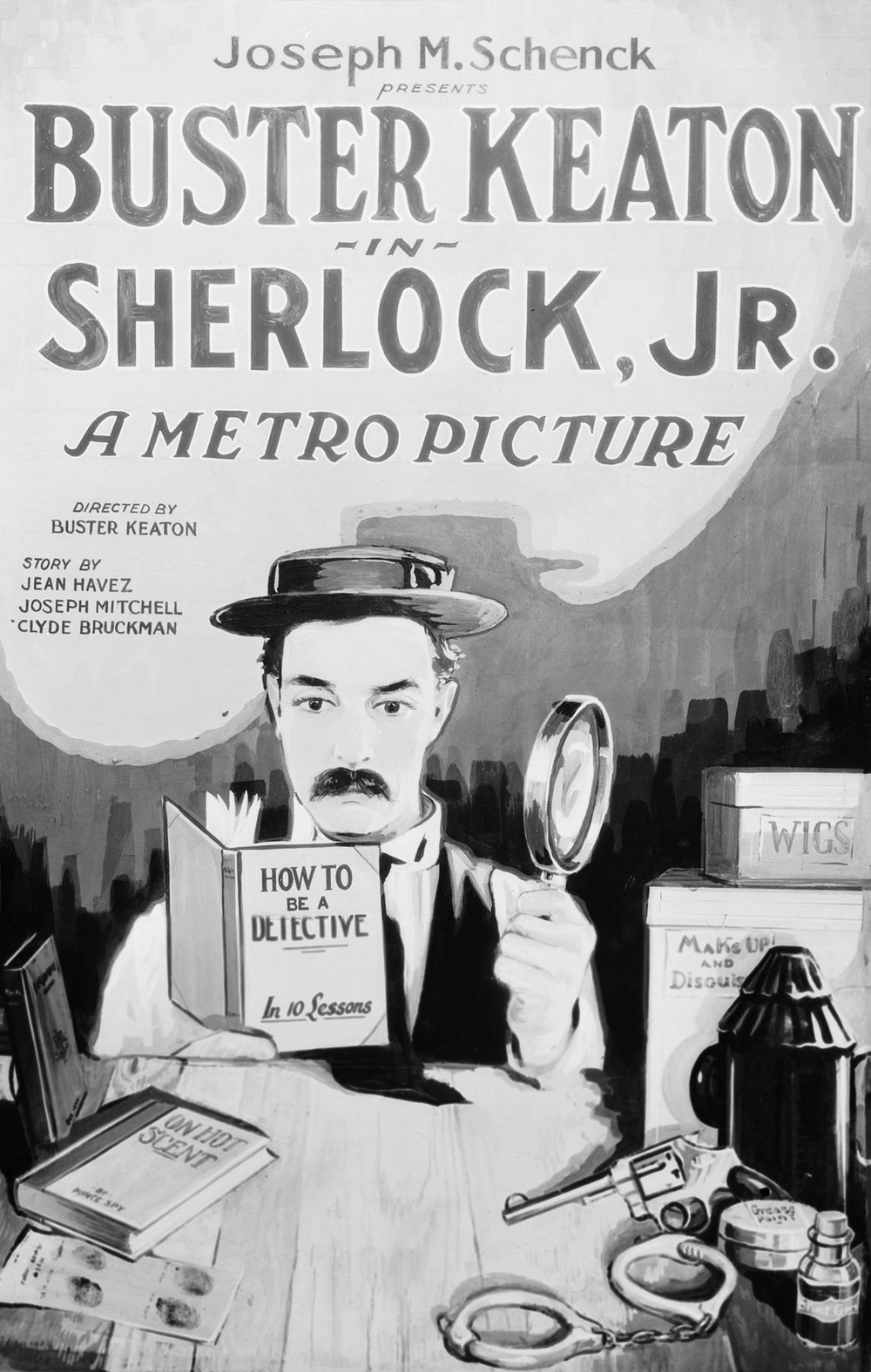
His career arc demonstrates a rapid, astonishing evolution from vaudeville origins to the creation of highly ambitious cinematic spectacles. By the mid 1920s, Keaton was producing works that expanded the possibilities of the medium. The release of Sherlock Jr. in 1924 marked a critical leap into reflexive storytelling, showcasing an intellectual rigor that matched his acrobatic prowess.
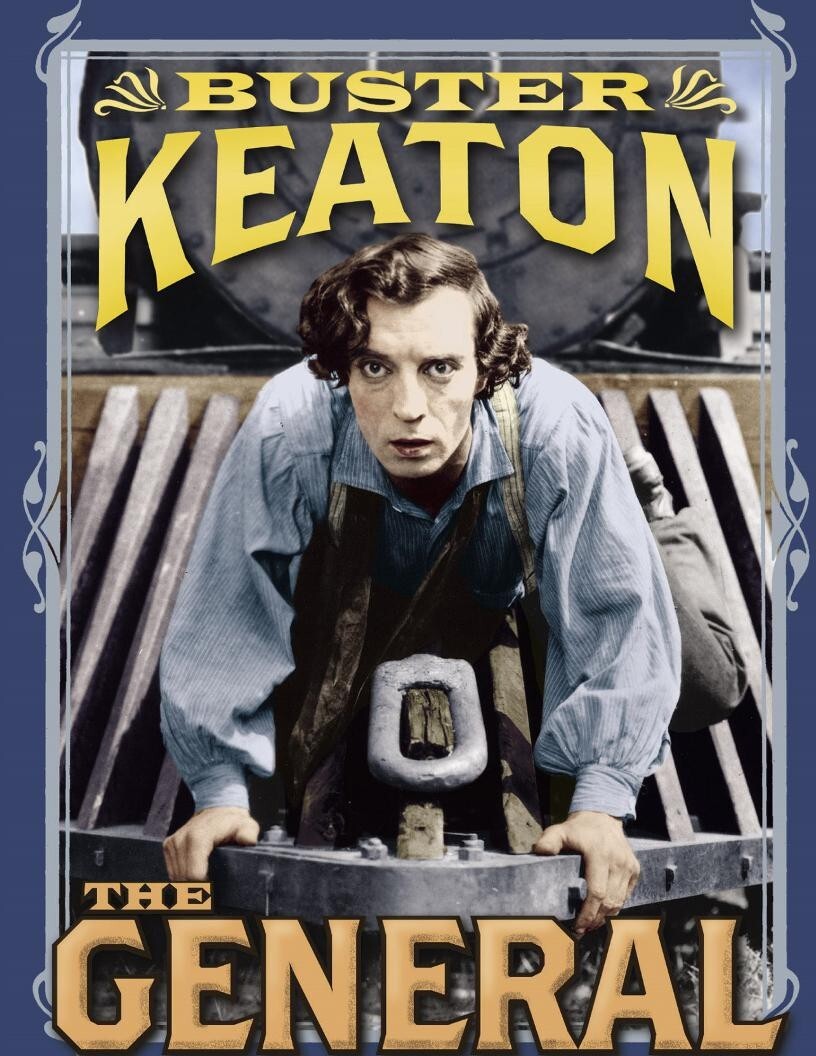
This ambition culminated two years later in The General, a monumental achievement that critics today recognize as perhaps the first true action comedy. While initially greeted with a mood of cautious optimism by Hollywood insiders, the film cemented his position in cinema history. By combining extraordinary physical risks with expansive world building, Keaton left a legacy that continues to influence contemporary filmmakers.
Thematic Preoccupations
Across his masterworks, Keaton returns obsessively to the tension between fantasy and reality. In Sherlock Jr., this duality serves as an ironic commentary on social injustice and a deceptively serious study of the relationship between life and art. His protagonists often retreat into dreams or mechanical fixations to navigate a hostile world, exploring the psychological boundaries of cinematic escapism and the protective nature of comically benign forces.
A parallel thematic pillar is the concept of romantic heroism achieved through stoic endurance rather than conventional machismo. His characters, such as the Confederate engineer Johnnie Gray in The General, operate within grand historical contexts like the American Civil War. Yet their motivations remain intensely personal, driven by an unwavering dedication to singular goals, whether reclaiming a stolen locomotive or rescuing a reluctant sweetheart.
Critics have famously defined his underlying philosophy as grace under pressure, comparing his protagonists to Hemingway figures who take the universe on its own terms and give no quarter. The quintessential Keaton hero is not a stone faced cynic, but rather a profoundly resilient man maintaining absolute composure in the center of mechanical and societal chaos. This brave and unpretentious spirit elevates his whimsical storytelling into a rigorous study of human perseverance.
Stylistic Signatures
The visual language of a Keaton film is characterized by astonishing ingenuity and a flawless command of movement and stillness. He pioneered a comedy style that was as deeply intellectual as it was relentlessly physical. Reviewers frequently note the French Impressionist cinema influences in his framing, alongside a sophisticated understanding of early montage that allowed him to manipulate space and time with unprecedented fluidity and grace.
Keaton essentially invented the action comedy genre through his utilization of lavish spectacle and elaborate set pieces. The General remains a masterclass in staging, dominated by a seemingly endless train chase that constantly defies the laws of physics. Hardly a minute of screen time passes without a meticulously constructed visual surprise, relying on expansive cinematography rather than tight closeups to highlight the physical reality of his environment.
His stylistic signature is perhaps best encapsulated by his insistence on spatial integrity and authentic stunt work. When executing staggeringly clever inventions, Keaton avoided cinematic trickery in favor of genuine physical risk. This unpretentious approach generated physical comedy dynamics that continue to stun contemporary audiences, anchoring his breathtaking visual surprises in an observable, tangible reality that modern action cinema rarely replicates.
Recurring Collaborators
The most crucial collaborative dynamic in the Keaton filmography is the symbiotic relationship between Keaton the director and Keaton the performer. This unique actor and director collaboration allowed for an absolute unity of vision. The precision required to execute his legendary physical gags demanded a director who intimately understood the exact spatial and timing limitations of his leading man, a harmony achieved precisely because they were the same individual.
Beyond his self direction, Keaton frequently incorporated his own family members into his cinematic universe, most notably Joe Keaton. Having trained alongside his father in vaudeville, the director understood how to utilize Joe to ground the often surreal comedic escalations. Their shared history in physical theater provided a crucial shorthand that translated seamlessly into the impeccable comic timing of their silent film interactions.
He also relied on collaborators who could anchor his monumental set pieces with genuine emotional stakes, such as Marion Mack who provided a vital narrative tether in The General. While his costars were often swept up in the whirlwind of his mechanical obsessions, they provided the necessary human element. Together with a highly skilled crew of uncredited stunt performers and mechanics, these partnerships facilitated the ambitious production efforts that defined his peak era.
Critical Standing
The critical reception of Buster Keaton has undergone a fascinating evolution from contemporary misunderstandings to modern veneration. While The General is now heralded as a defining classic, it was not initially embraced by all viewers, with some purist fans rejecting its trappings of ambition and historical poesy. Today, however, critics consistently rank these ambitious production efforts among the greatest cinematic achievements of the twentieth century.
Keaton is invariably discussed in relation to Charlie Chaplin, yet modern critical discourse increasingly favors Keaton for his structural modernism and visual ingenuity. Where Chaplin is celebrated for pathos, Keaton is revered for his sublime qualities and architectural precision. His influence ripples through decades of cinema and visual art, visibly pastiched by filmmakers ranging from Woody Allen in his reflexive explorations in The Purple Rose of Cairo to Steve McQueen in his video piece Deadpan.
Currently, the cinematic corpus of Buster Keaton is experiencing a vibrant silent film revival, reaching new audiences through innovative integrations such as the Silents Synced project that pairs his visual tour de force comedies with indie guitars. This ongoing cultural resonance proves that his films transcend their historical context. Critics universally recognize him as a timeless visitor to the world of the silent clowns, an artist whose staggering inventions laid the foundation for contemporary cinema.