Career Overview
Carl Theodor Dreyer stands as one of the fundamental architects of cinematic modernism. His career arc reveals a filmmaker relentlessly pursuing the spiritual through the material. Although his output spans decades, his reputation is inextricably linked to the twilight of the silent era, where he achieved an unparalleled cinematic experience that forever altered the trajectory of the medium.
Born in Denmark, Dreyer began as a journalist before transitioning to the burgeoning film industry. His early work demonstrated a keen interest in human psychology and social critique. However, it was his eventual movement into highly formalized, hermetic narratives that secured his place in the global cinematic canon. He developed a reputation as a meticulous craftsman, often taking years to complete a single project, which resulted in a sparse but monumental filmography.
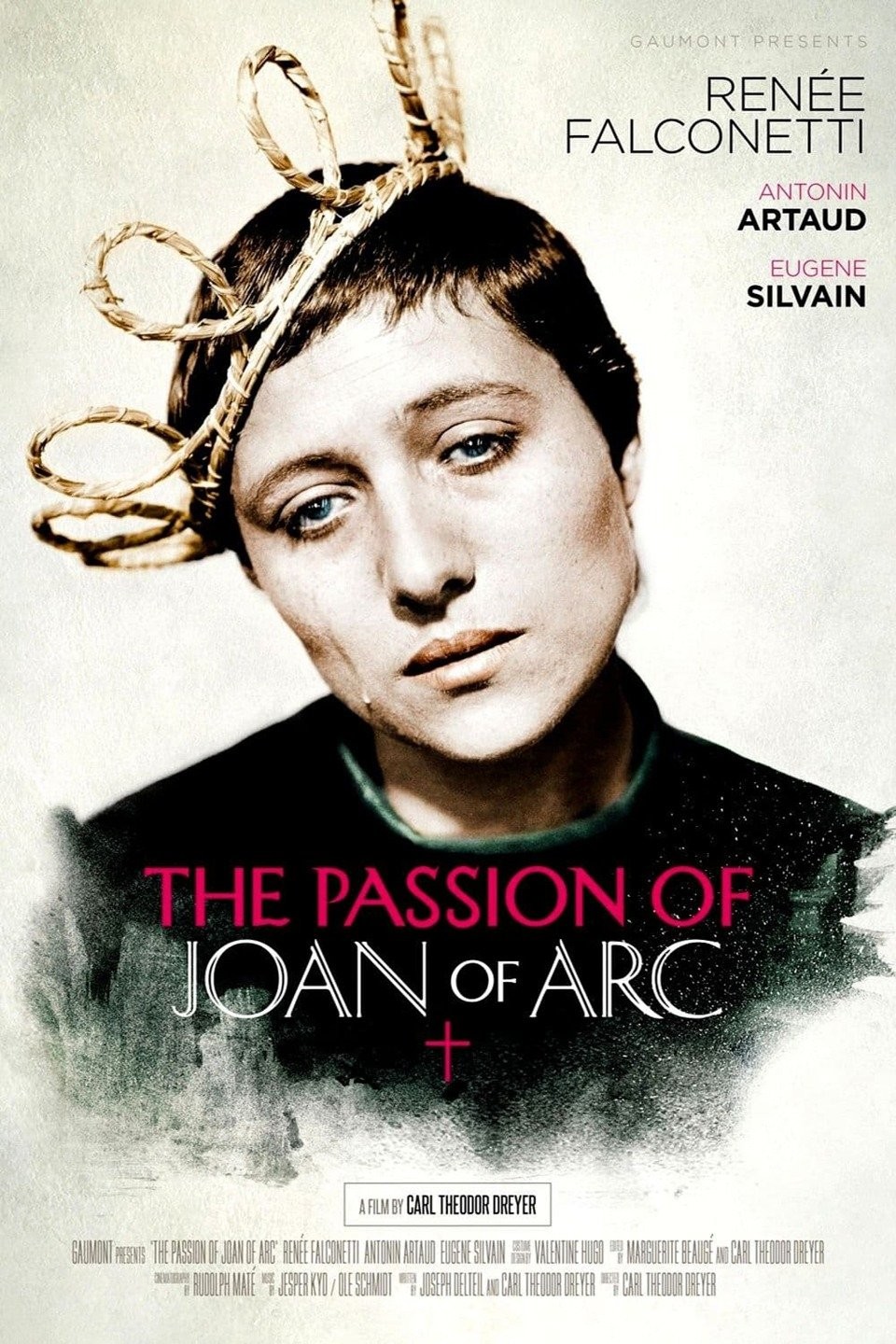
The apex of his early artistic development is universally recognized in The Passion of Joan of Arc. This picture redefined the possibilities of historical drama and biography. By focusing on ecclesiastical authorities attempting to force a confession, Dreyer distilled complex historical and theological records into a stark, immediate present. His position in cinema history rests on this unwavering commitment to exposing the inner reality of his subjects, paving the way for future auteurs interested in the cinema of transcendence.
Thematic Preoccupations
Dreyer's cinema is overwhelmingly preoccupied with severe themes of spirituality and the agonizing friction between individual conviction and oppressive institutions. The recurring motif of trial and persecution serves as the narrative engine for his most profound character studies. He consistently examines the dynamics of individual vs. authority, framing ecclesiastical or societal tribunals as the ultimate test of human resolve and moral fortitude.
Central to his philosophical concerns are the intersecting concepts of faith and martyrdom. Dreyer does not merely depict religious persecution narratives. Instead, he investigates the internal, psychological weight of absolute belief. His protagonists often endure extraordinary suffering, transforming their physical torment into a vessel for divine revelation. The exploration of martyrdom and sacrifice is portrayed not as passive victimhood but as a powerful, transfiguring act of defiance against a dogmatic world.
This obsession with the spiritual dimensions of suffering requires a compelling narrative structure that strips away extraneous historical context. By isolating his characters within heavily controlled environments, Dreyer forces the viewer to confront the stark realities of faith under duress. His thematic preoccupations frequently align with existential inquiries seen in later works like Ordet, illustrating a career-long dedication to exploring how the divine manifests within human frailty.
Stylistic Signatures
The visual language of Carl Theodor Dreyer is characterized by a stark, uncompromising severity that seeks to make the invisible spiritual realm tangible. Critics frequently note the influence of German Expressionism aesthetics in his work, particularly in his manipulation of space and architecture. However, Dreyer subverts traditional expressionist techniques by anchoring them in intense psychological realism, utilizing high contrast lighting and stark, unadorned sets to isolate the human figure.
His most famous stylistic innovation is the rigorous use of the close-up, a technique that achieves seamless visual storytelling while generating intense emotional impact. By filling the frame with the human face, particularly during moments of profound distress, Dreyer maps the topography of the soul. Characters appear transfigured by agony, their micro-expressions bearing the weight of entire ideological conflicts. This approach creates a hermetic narrative style, sealing the viewer inside the protagonist's subjective experience.
Dreyer's editing rhythms further amplify this psychological suffocation. He employs innovative storytelling techniques that discard traditional spatial continuity in favor of emotional continuity. The relentless, rhythmic cutting between the oppressor and the oppressed builds a claustrophobic tension. Critics often compare this meticulous, stripped-down visual rigor to the austerity found in Robert Bresson's The Trial of Joan of Arc and the haunting atmosphere of F.W. Murnau's Nosferatu.
Recurring Collaborators
Unlike many auteurs who built repertory companies of recurring actors and technicians, Carl Theodor Dreyer is renowned for a more isolated, exacting approach to collaboration. Across the broader scope of his career, he frequently sought out new faces and fresh technical personnel for each project, tailoring his partnerships to the specific thematic demands of the film at hand. This method prevented his cinema from settling into comfortable, predictable rhythms.
While the database records no recurring cast members across multiple films, Dreyer's single-film collaborations are legendary for their intensity and historical significance. The most monumental of these partnerships is undoubtedly his work with Renée Falconetti in The Passion of Joan of Arc. Her portrayal is universally cited as an unparalleled performance. Dreyer's demanding directorial methods pushed Falconetti to tap into profound reserves of emotional truth, resulting in a performance where her face is transfigured with agony.
This specific collaboration epitomizes Dreyer's relationship with actors. He viewed them not as mere instruments for dialogue, but as architectural elements of the visual frame. The absence of a regular troupe highlights his dedication to authenticity over convenience. Each casting choice was a meticulous search for the exact physical and emotional resonance required to carry his severe themes of spirituality.
Critical Standing
The critical reception of Carl Theodor Dreyer has cemented his status as a monolithic figure in world cinema. Contemporary reviews and retrospective analyses alike consistently hail his output as the pinnacle of cinematic art. Publications ranging from the Los Angeles Times to IndieWire frequently describe The Passion of Joan of Arc as a masterpiece of silent cinema, praising its uncompromising severity and stunning power.
Dreyer's reputation has only grown as film theory has evolved, with scholars repeatedly positioning him as a vital bridge between silent era visual experimentation and modern psychological realism. Critics frequently contextualize his achievements by drawing comparisons to other giants of the medium. His work is often discussed alongside F.W. Murnau's Nosferatu for its haunting visual aesthetics, while his thematic rigor inevitably invites comparisons to Robert Bresson's The Trial of Joan of Arc.
In modern critical discourse, Dreyer is revered as a director whose direction is both innovative and compelling. His hermetically sealed narrative style is studied in film schools globally as a masterclass in subjective filmmaking. The consensus remains that his uncompromising vision resulted in powerful portrayals of sacrifice that transcend their historical settings, securing Dreyer's legacy as a foundational pillar of the cinematic canon.