Career Overview
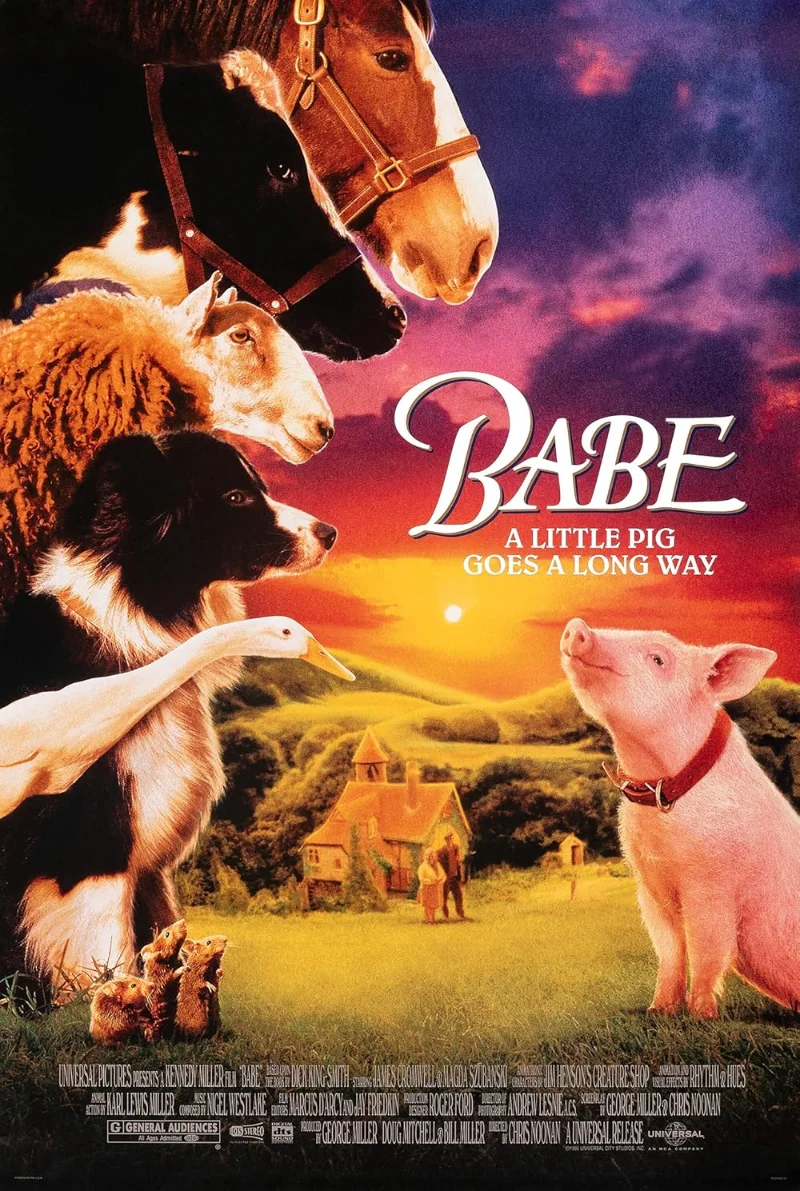
Chris Noonan holds a unique and highly specialized position in modern cinema history, largely defined by the monumental success and technical boundary pushing of Babe (1995). Before ascending to international acclaim, Noonan honed his craft within the Australian film and television industry. He developed a keen eye for authentic storytelling by directing acclaimed documentaries and television miniseries, a foundational period that prepared him for the complex logistical challenges of helming a major feature film.
The transition from television to a globally recognized theatrical feature marked a paradigm shift in both his career and the landscape of family oriented cinema. Noonan managed to bridge the seemingly insurmountable gap between groundbreaking technical innovation and profound emotional resonance. This delicate balancing act earned him widespread critical acclaim and Academy Award recognition for directing, instantly cementing his status as a visionary filmmaker.
His career arc remains fascinating for its concentrated impact. Rather than maintaining a prolific output, Noonan is defined by the indelible cultural footprint of a meticulously crafted masterwork. By elevating a seemingly simple fable into a cinematic triumph, he proved that directors with roots in documentary realism could successfully orchestrate complex visual effects to serve a deeply humanist narrative.
Thematic Preoccupations
At the core of Noonan's cinematic inquiries lies the theme of overcoming expectations. Through the lens of an unconventional protagonist, he examines societal structures and the courage required to defy predetermined roles. In Babe, the journey of an orphaned piglet transcends its pastoral premise to become a profound allegory for self discovery and the dismantling of rigid class barriers. The protagonist does not simply survive, he fundamentally alters the worldview of the community around him.
This journey of self discovery operates as the primary narrative engine in his work. Noonan frames this exploration not as an isolated inward quest but as an deeply relational process. The main character discovers his true identity through his interactions with an established hierarchy, ultimately subverting the strict rules of his environment through radical empathy and unyielding politeness. The film suggests that true strength lies in remaining gentle in a world governed by utility and violence.
A recurring philosophical preoccupation for Noonan is the exploration of animal intelligence and interiority. Unlike traditional mainstream media that often anthropomorphizes animals for cheap comedic effect, Noonan treats his animal subjects with immense dignity. This respectful approach invites audiences to consider consciousness and emotional depth across species, creating a framework of heartwarming storytelling that entirely avoids cloying sentimentality.
Stylistic Signatures
Noonan's visual language is characterized by innovative narrative techniques that seamlessly meld the organic with the artificial. In Babe, he pioneered a stylistic integration of live action cinematography and groundbreaking animatronics. The result is a hyper real pastoral aesthetic where talking animals feel entirely believable and deeply endearing to the viewer. This technical precision ensures that the visual effects never distract from the emotional core of the scene.
His mise en scene consistently balances storybook artifice with grounded realism. The farm setting is presented with a charming character development approach to visual design, where every texture and lighting choice serves to elevate the emotional stakes of the narrative. By utilizing distinct color palettes and meticulous framing, Noonan creates an insular and magical world that operates on its own strictly governed logic.
Furthermore, Noonan absolutely refuses to patronize his audience. This is clearly evident in his sophisticated approach to dialogue and pacing. As critics have frequently noted, his films do not condescend for a single second. He embraces a rich vocabulary and a measured editing rhythm, trusting the intelligence of his viewers, thereby securing a timeless and highly respected stylistic signature.
Recurring Collaborators
Because Noonan's internationally recognized filmography is remarkably concentrated in our database, his collaborative network is best understood through the vital partnerships that brought his defining vision to life. The technical and creative synergy required to execute Babe necessitated a unique ensemble of artisans. This was particularly true in the realm of visual effects and animatronics, which fundamentally defined the aesthetic success of the picture.
A pivotal collaboration in Noonan's career was his partnership with producer and co writer George Miller. Miller brought his own eccentric cinematic sensibilities and rigorous production standards to the project, helping Noonan shape the whimsical yet deeply structured narrative. Together, they crafted a screenplay that respected the source material while vastly expanding its cinematic possibilities and emotional resonance.
Although there are no recurring on screen cast members identified across multiple films in this specific dataset, the unique ensemble of Babe remains crucial to his artistic legacy. The integration of highly skilled voice actors with dedicated puppeteers constituted a collaborative triad. This behind the scenes ensemble functioned just as a traditional repertory company would, translating Noonan's demanding vision into a cohesive and groundbreaking reality.
Critical Standing
Chris Noonan occupies a highly specialized and deeply respected position within critical discourse. His reputation was instantly solidified with the release of Babe, a film that critics unanimously praised for its immense charm and wit. Publications ranging from the Los Angeles Times to RogerEbert.com lauded his refusal to pander to young audiences, celebrating the film as a sophisticated cinematic achievement that permanently elevated the family genre.
Over time, Noonan's work has frequently been the subject of comparative analysis, most notably alongside its darker sequel, Babe: Pig in the City, and other pastoral adaptations like Charlotte's Web. Critics often highlight Noonan's original film as the gold standard for this specific subgenre. His ability to balance technological innovation with an incredibly earnest emotional core has cemented his film as a touchstone for discussions on how special effects can enhance character development.
Today, Noonan's critical standing remains robust and overwhelmingly positive. Reviewers consistently point to the seamlessly integrated special effects and the remarkable vocal performances as elements that have barely aged since their initial release. He is remembered as a filmmaker who took a tremendous technical risk and delivered a masterpiece of heartwarming storytelling, proving that accessible cinema can also operate as high art.