Career Overview
Chris Sanders has established himself as a preeminent force in contemporary American animation. His career arc demonstrates a rare ability to bridge the gap between commercial studio mandates and deeply personal artistic expression. Emerging as a maverick storyteller, Sanders consistently rejects the sanitized conventions of mainstream animated features in favor of emotionally intelligent narratives. By treating the medium of animation as a vehicle for profound cinematic exploration rather than mere children's entertainment, he has secured a unique position in modern cinema history.
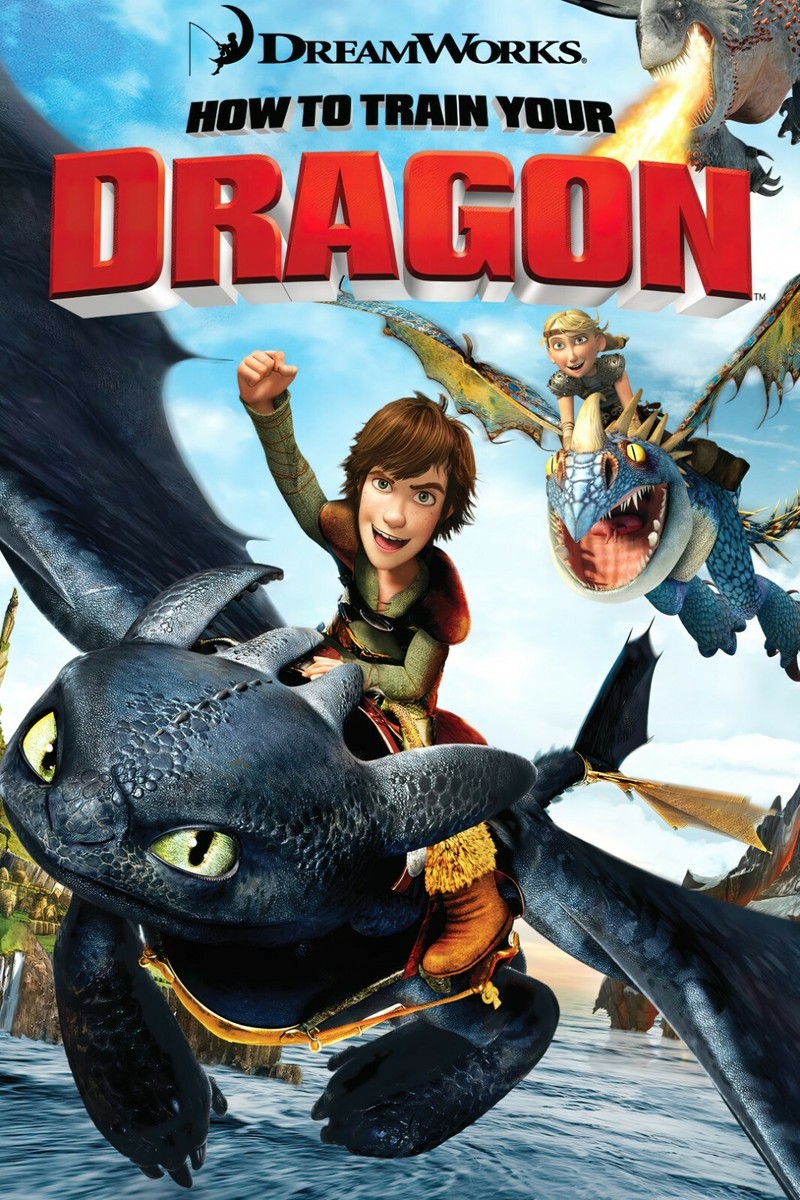
With the release of How to Train Your Dragon in 2010, Sanders fundamentally altered the trajectory of modern computer-generated animation. The film proved that broad, high-energy family adventures could be grounded in realistic emotional stakes and sophisticated themes. It showcased his signature blend of bright visuals and smart narrative construction, proving highly influential to the decade of animation that followed.
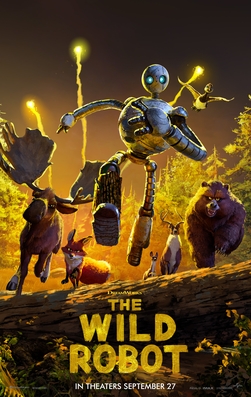
His later triumph, The Wild Robot in 2024, cemented his status as a visionary director. Critics celebrated the film for its loving and heartfelt narratives, frequently comparing Sanders's directorial voice to the revered output of Studio Ghibli. His ability to sustain an independent, artistic passion within the often profit-driven machinery of studio filmmaking marks him as one of the few contemporary animation directors with a truly recognizable auteur signature.
Thematic Preoccupations
At the core of Sanders's filmography is an ongoing fascination with the intersection of nature and technology. This theme is explicitly interrogated in The Wild Robot, where a highly advanced artificial intelligence must adapt to an untamed ecosystem. A similar preoccupation is evident in How to Train Your Dragon, where the protagonist utilizes mechanical ingenuity to bridge the gap between human civilization and the primal forces of the natural world. Sanders repeatedly asks how empathy can synthesize these seemingly opposing forces.
Another major thematic obsession is the coming-of-age narrative viewed through the lens of unconventional parenting and growth. Sanders frequently explores family dynamics, specifically the profound responsibilities of parent-child relationships. In How to Train Your Dragon, the traditional father-son relationship is fraught with societal expectations, forcing the young hero to forge his own moral path. In The Wild Robot, parenthood is explored through an adoptive bond between an unfeeling machine and an orphaned gosling, resulting in a profound meditation on how nurturing others facilitates our own emotional evolution.
Finally, Sanders is deeply concerned with the emergence of human emotions in non-human or marginalized subjects. His protagonists are often outsiders who struggle to communicate their inner lives to a hostile world. By exploring human emotions in AI or misunderstood mythical creatures, Sanders champions the power of understanding the other. His films pulse with humanity, suggesting that compassion and emotional intelligence transcend biological origins.
Stylistic Signatures
Sanders possesses a distinct visual language characterized by dazzling artistic visuals and imaginative world-building. His films balance bright, vibrant character designs with sweeping, expansive environments that underscore the vastness of the natural world. In How to Train Your Dragon, his cinematographic approach is evident in the exhilarating flight sequences, which are grounded in an interestingly realistic sense of danger and physical weight. This commitment to physical realism within animated spaces heightens the adventurous journey of his protagonists.
Tonally, Sanders navigates a delicate balance between high energy and heartfelt emotional depth. His maverick storytelling approach often incorporates unexpected humor and charm to offset the heavier dramatic stakes. For example, The Wild Robot features sharp, surprising comedic beats regarding the harshness of nature and the fragility of animal life. This sophisticated tonal juggling prevents his emotionally intelligent storytelling from devolving into saccharine sentimentality.
His mise-en-scene frequently emphasizes isolation before moving toward chaotic, communal integration. Sanders relies heavily on pantomime and visual storytelling, often communicating profound emotional shifts without dialogue. Critics frequently compare his stylistic tendencies to classics like The Iron Giant and WALL-E, noting his unparalleled ability to elicit deep empathy for silent or linguistically limited protagonists through nuanced animation and expressive character acting.
Recurring Collaborators
While Sanders has built a remarkably cohesive thematic universe, his casting and creative partnerships frequently adapt to the specific demands of each unique project. Our current database indicates no recurring cast members across his major directorial outings. This absence of a fixed acting troupe highlights his tendency to build bespoke ensembles perfectly suited to the specific cultural and emotional landscapes of his films.
In the case of The Wild Robot, Sanders relied heavily on the vocal talents of actors like Lupita Nyong'o and Pedro Pascal. Their precise voice work was instrumental in grounding a narrative entirely devoid of human characters. Sanders excels at directing voice actors to discover the emotional core of non-traditional protagonists, utilizing their performances to anchor his dazzling artistic visuals in genuine humanity.
Behind the scenes, Sanders's primary recurring collaboration is with the animation medium itself, specifically his partnerships with the massive armies of artists and technicians required to bring his visions to life. His projects are renowned for their artistic passion and creativity, indicating a directorial style that inspires his crews to push beyond standard industry practices. This collaborative spirit ensures that his films consistently register as loving, handcrafted works of art rather than standard corporate products.
Critical Standing
Sanders occupies a highly esteemed position within contemporary film criticism. Critics consistently praise his ability to elevate commercial animation into the realm of profound cinematic art. How to Train Your Dragon was met with rapturous acclaim, celebrated as a remarkably smart narrative packed with ingenious concepts and imagination. It was widely regarded as a watershed moment for its studio, proving that a high-energy kid flick could possess modern relevance and sophisticated emotional architecture.
Over the years, his critical reputation has only deepened, with reviewers frequently placing his work alongside the most revered achievements in the medium. The critical discourse surrounding Sanders often invokes comparisons to cinematic touchstones like The Iron Giant, WALL-E, and the masterpieces of Studio Ghibli. These comparisons highlight his unique ability to craft emotionally intelligent narratives that resonate across generations and cultural boundaries.
With the release of The Wild Robot, Sanders's standing has reached a new zenith. Critics hailed the project as one of the best animated films of its year and a definitive Oscar frontrunner. Reviewers specifically noted the palpable artistic passion that drives the film, distinguishing it from profit-driven studio fare. Today, Sanders is firmly recognized as a master storyteller whose deeply affecting, maverick approach continues to expand the emotional possibilities of animated cinema.