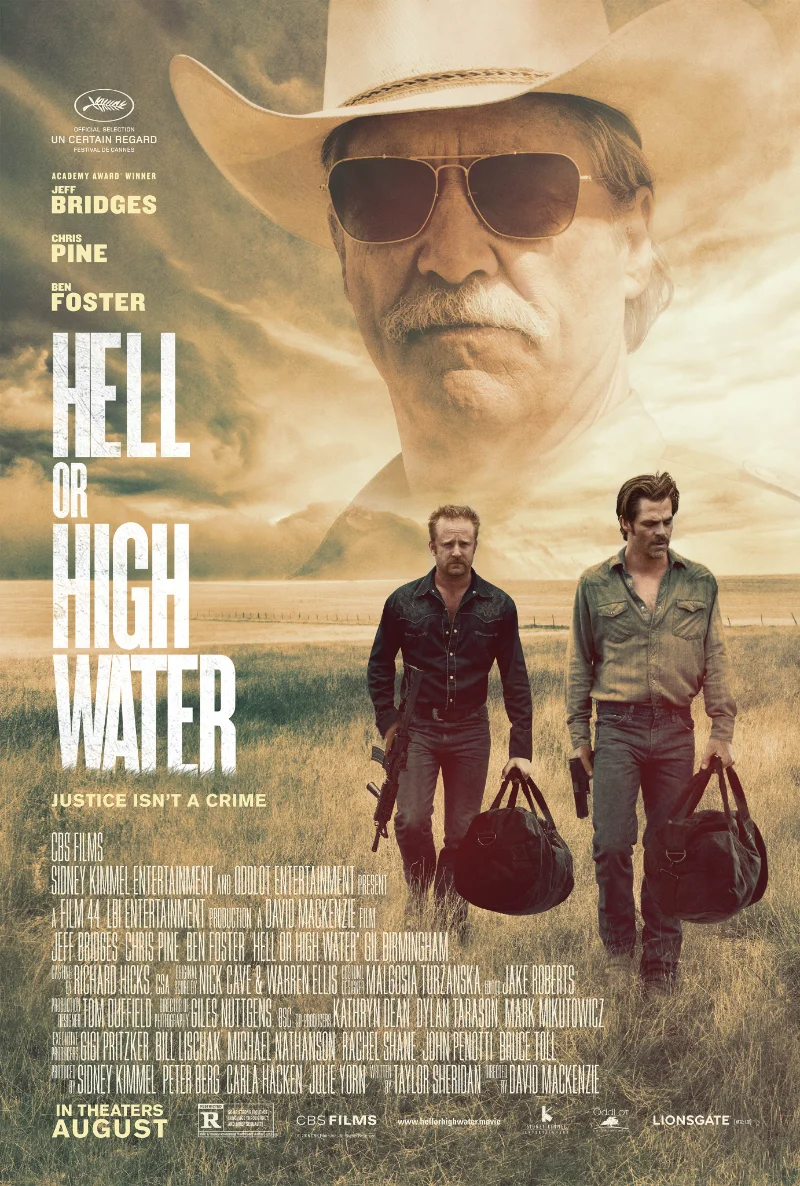
Career Overview
David Mackenzie has positioned himself as a formidable observer of regional American life, transitioning from his Scottish roots to become a highly sought-after director of gritty, character-driven genre cinema. His career arc reflects a fascination with marginalized figures and desolate landscapes, culminating in acute dissections of cultural decay. By marrying the propulsive momentum of the thriller with the somber reflections of the Western, Mackenzie has carved out a distinct niche in contemporary film history. His work frequently bridges the gap between classic American cinema and the pressing anxieties of the modern era.
The breakthrough represented by Hell or High Water cemented Mackenzie as a vital voice in twenty-first-century filmmaking. The film demonstrates his capacity to approach the southern-fried tale not as a collection of cliches, but as a serious sociological inquiry. Working as an outsider, he brings a level of surgical precision to the myths of the American frontier, allowing him to examine the country's socio-economic fractures without descending into pure melodrama.
Within the broader context of modern cinema, Mackenzie operates as a stylistic heir to filmmakers who prioritize atmosphere and regional authenticity. He has proven adept at navigating the competitive landscape of international film festivals while maintaining a visceral, populist edge. His standing as a filmmaker relies on this very duality, crafting works that are intellectually rigorous enough for critics and emotionally resonant enough to operate as triumphant pieces of popular art.
Thematic Preoccupations
A primary preoccupation in Mackenzie's surveyed work is the tension between systemic economic failure and individual desperation. Through the lens of the heist drama, he crafts potent social commentary, interrogating the morality of crime within a rigged financial ecosystem. His protagonists often function as modern Robin Hood characters, driven by a primal need for survival and familial preservation rather than malice. This approach frames criminal acts not merely as transgressions, but as tragic inevitabilities born out of systemic disenfranchisement.
Mackenzie frequently returns to the juxtaposition of old and new, literalizing this thematic conflict through his choice of settings and iconography. Traditional Western archetypes are placed in direct collision with modern grotesqueries, such as a cowboy unhitching a horse beside a gaudily customized modern car. This visual and thematic friction serves as a thesis for a changing world that routinely discards its most vulnerable inhabitants, creating a landscape where nostalgia and capitalism are in constant, abrasive contact.
Furthermore, the concept of a delicate and volatile social ecosystem permeates his narratives. The hostile landscape acts as a mirror for the internal rage and pressure building within his protagonists. When this pressure finds no clear outlet, it is misdirected into chaotic, violent results. This pessimistic view of modern survival underscores the illusion of the American Dream, suggesting that in desolate environments, both victory and defeat are exacted at an incredibly high moral cost.
Stylistic Signatures
Mackenzie's visual language is defined by a stark presentation and an incredibly effective use of setting. He treats the landscape not merely as a passive backdrop, but as a formidable, oppressive presence that dictates the terms of the narrative. In capturing the desolate sprawl of West Texas, his camera emphasizes the grit and isolation of the environment. The cinematography frequently relies on wide, lingering shots that make the atmosphere feel simultaneously expansive and suffocating.
His narrative approach favors lean storytelling anchored by complex, intimate character drama. Rather than relying on bombastic, stylized action sequences, Mackenzie maintains a muted emotional keel throughout much of his runtimes. The pacing is deliberate, building tension through quiet observations and a gloomy tone of impending doom. This restraint ensures that when the narrative finally ruptures into violence, the resulting chaotic atmosphere feels earned and profoundly disruptive.
This mastery of juxtaposition extends to his tonal control, blending satirical edges with gloomy reveries. Mackenzie balances the immediate thrills of a sharply plotted thriller with the somber meditation of a modern Western. Reviewers have noted that his precise visual vocabulary and desolate psychological framing evoke the existential dread found in the Coen brothers' Blood Simple and No Country for Old Men. The soundtrack and sound design often work in tandem with this starkness, utilizing ambient desolation to amplify the isolation of his armed, desperate subjects.
Recurring Collaborators
While Mackenzie's filmography does not rely on a single returning cast member across multiple projects, his collaborative method focuses heavily on extracting deeply authentic, lived-in performances from his ensembles. Actors like Chris Pine and Ben Foster, under his careful direction, deliver grounded and transformative work. Mackenzie provides his performers with the spatial and emotional room to anchor complex narratives in palpable fraternal bonds, ensuring the character drama remains the focal point of the cinematic experience.
A crucial creative partnership in Mackenzie's critical breakthrough is his alignment with screenwriter Taylor Sheridan. Sheridan's sharply plotted, sociopolitically charged scripts offer the perfect structural foundation for Mackenzie's atmospheric directorial style. Together, they synthesize text and image flawlessly, ensuring that the dialogue's satirical edge is perfectly matched by the director's stark visual presentation and gloomy tonal control.
The synergy between director and screenwriter illustrates Mackenzie's immense strength as an interpreter of the written word. He elevates the text by grounding it in a meticulously crafted physical reality, leaning into the grit and grudges of the environment. This collaborative dynamic highlights a directorial approach that values the symbiotic relationship between narrative structure and spatial dynamics, allowing themes of economic disenfranchisement to resonate with maximum critical impact.
Critical Standing
Critics widely praise David Mackenzie for his ability to breathe vital new life into well-worn genres, effectively marrying the heist thriller with acute social commentary. His critical reputation is heavily tied to his mastery of tone and atmosphere. Reviewers frequently highlight his precise control over the cinematic environment, often comparing his bleak, hostile landscapes to the revered works of the Coen brothers. By framing his narratives for the Occupy generation, he transcends the limitations of traditional genre fare, earning widespread acclaim at prestigious international festivals.
Despite the overwhelming praise for his atmospheric tension and character focus, his work is occasionally subject to structural debate. Some analysts point to specific narrative choices, such as unlikely or disappointing finales, where the messy reality of the characters' ruptured plans may clash with the tightly wound cinematic tension that preceded it. Critics have argued that a suddenly chaotic conclusion can feel like a rupture of the delicate social ecosystem he so carefully built, occasionally failing to deliver the emotional impact desired by the filmmakers.
Nevertheless, even these critiques acknowledge the ambitious scope of his sociological critiques, and Mackenzie maintains a highly respected place within contemporary critical discourse. He is celebrated as a sophisticated chronicler of the modern Western, capable of delivering lean, complex cinema. His standing remains robust among critics and cinephiles alike, revered for challenging audiences to confront the harsh realities of a decaying American landscape through impeccably crafted, character-driven storytelling.