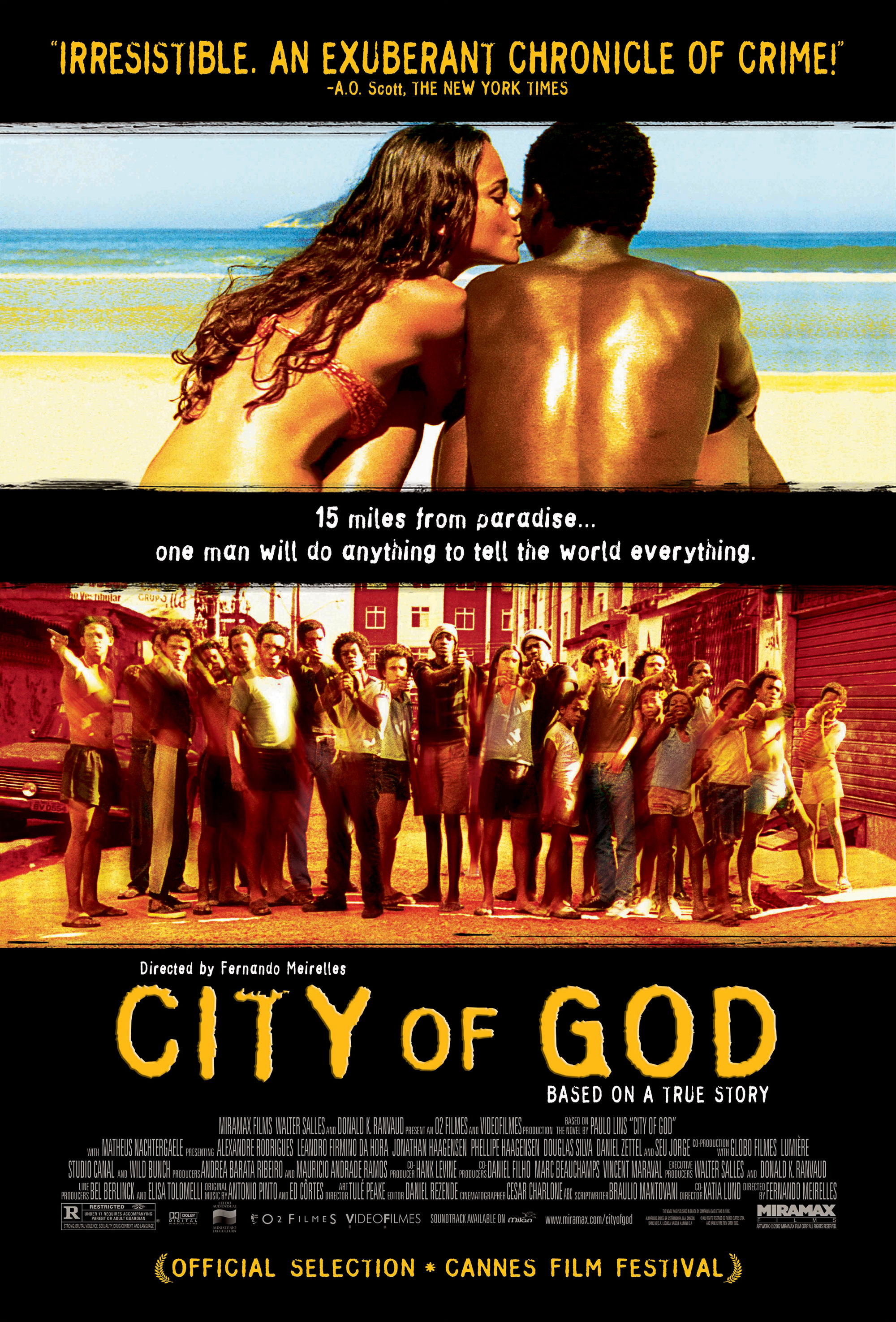
Career Overview
Fernando Meirelles emerged as a pivotal figure in contemporary global cinema with a background steeped in independent media and commercials. This foundation provided him with a highly kinetic, visually dense approach to filmmaking. When he transitioned into feature films, he brought an urgency and a precise understanding of audience engagement that would come to define his cinematic footprint. His arrival on the international stage marked a critical shift in how South American cinema was perceived and consumed by global audiences.
The defining moment of his career, as chronicled in our database, remains the release of City of God in 2002. Set within the labyrinthine favelas of Rio de Janeiro, the film established Meirelles as a director of profound gifts and fierce passions. By charting the divergent paths of two young boys growing up in an environment defined by systemic neglect, he crafted a gangster masterpiece that resonated far beyond the borders of Brazil. The film signaled the arrival of a distinctly brutalist aesthetic in modern crime cinema.
Meirelles occupies a unique position in cinema history as a bridge between socially conscious storytelling and hyper-stylized visual bravado. He proved that films tackling harrowing details of poverty and systemic violence could also function as electrifying, intoxicating cinematic experiences. His ability to balance the raw authenticity of the Brazilian slums with a highly calculated vigor cemented his status as a transformative filmmaker who redefined the modern crime epic for a new century.
Thematic Preoccupations
At the core of the cinematic worldview presented by Fernando Meirelles is an obsession with the mechanics of survival in environments defined by structural decay. In City of God, this preoccupation manifests as a sprawling, gang-warfare epic that is simultaneously a tender coming-of-age narrative. He continually asks how individuals forge an identity when their surroundings offer only violence and corruption as viable paths forward. This duality creates a profound tension in his storytelling, as innocence is constantly besieged by the harsh realities of criminal enterprise.
The exploration of moral ambiguities is another central pillar of his thematic framework. Rather than presenting clear-cut heroes and villains, Meirelles populates his narratives with characters who are forced to make compromised choices. The divergent paths of a photographer capturing the truth and a gang leader embracing power serve as a meditation on how artistry and brutality can emerge from the exact same crucible. His work suggests that morality is often a luxury afforded only to those outside the systemic poverty of the slums.
Furthermore, Meirelles is deeply concerned with the cyclical nature of violence. The terrifying atmosphere he cultivates is not merely for shock value, but rather serves to illustrate how brutality is inherited and perpetuated across generations. By focusing on the relentless escalation of gang warfare, he creates a harrowing portrait of communities trapped in a perpetual state of conflict. His narratives function as both visceral entertainment and sociological critique, challenging the viewer to confront the brutalism inherent in marginalized societies.
Stylistic Signatures
The stylistic signature of Fernando Meirelles is characterized by an intoxicating assault on the senses, defined by breathtaking visuals and an unrelenting rhythm. His visual language relies heavily on fluid hand-held camera techniques that plunge the viewer directly into the chaotic environments his characters inhabit. This restless, roving camerawork lends a documentary-like urgency to his narratives, stripping away the artificiality of the studio to capture the raw energy of the streets.
Editing plays a crucial role in constructing his electrifying cinematic spaces. Meirelles frequently utilizes a fast cutting style, integrating speeded-up action and jarring jump cuts to match the frantic pace of the lives depicted on screen. Critics have often likened this approach to an MTV-style spectacle, noting how he borrows the aggressive, hyper-kinetic editing techniques of music videos and commercials to amplify the tension of a gangster epic. This calculated vigor ensures that the pacing remains breathless and urgently involved with the emotional states of his protagonists.
In terms of mise-en-scene and lighting, Meirelles embraces a brutalist aesthetic that highlights the harsh realities of his settings. He frequently employs harsh lighting to create stark contrasts, underscoring the unforgiving nature of the Brazilian slums. The resulting imagery is both beautiful and terrifying, a deliberate juxtaposition that forces audiences to grapple with the aestheticization of poverty. His films move with the lightning speed of a hungry young boxer, utilizing every technical tool available to craft a sophisticated, sensory-rich experience.
Recurring Collaborators
While the current database parameters do not identify a stable of recurring cast members across multiple films for Fernando Meirelles, his approach to collaboration is nevertheless a vital component of his filmmaking process. Rather than relying on a traditional repertory company of established movie stars, his most celebrated work thrives on the energy of ensemble casts and non-professional actors. This methodology is central to achieving the startling authenticity that defines his narratives.
In creating the harrowing, lived-in world of City of God, Meirelles famously recruited young people directly from the favelas. This casting choice functioned as a massive collaborative experiment, transforming the production into a community-driven endeavor. By empowering these young individuals to draw upon their own lived experiences, the director infused the film with an improvisational vigor and a level of cultural specificity that traditional casting methods could never replicate.
The lack of recurring recognizable faces in his database entries serves to emphasize the primacy of the director's overarching vision. The true star of a Meirelles picture is often the highly stylized, aggressive cinematic apparatus itself. His primary collaborations appear to be with the technicians, cinematographers, and editors who help him construct his breathtaking visual spectacles and execute the complex, fluid camera maneuvers that define his electrifying aesthetic.
Critical Standing
The critical standing of Fernando Meirelles was largely forged in the crucible of his explosive international debut. Reviewers immediately recognized him as a director of great gifts and passions, praising his ability to merge sophisticated storytelling with raw, visceral energy. Critics were overwhelmingly captivated by the urgent pacing and thrilling experience of his work, often describing his cinema as an overwhelming, intoxicating assault on the senses. His arrival triggered a massive wave of critical enthusiasm for South American cinema.
A defining element of his critical reception is the frequent comparison to Martin Scorsese, particularly regarding Goodfellas. Prominent publications explicitly noted that City of God deserved the title of a South American *Goodf