Career Overview
Frank Capra remains a defining architect of American cinematic mythology, crafting narratives that resonate with the profound anxieties and aspirations of the middle class. Emerging as a dominant force during the golden age of Hollywood, Capra built a career that mirrored the ideological shifts of the United States through the Great Depression and the immediate aftermath of World War II. His position in cinema history is uniquely polarized, straddling the line between populist sentimentality and incisive social critique.
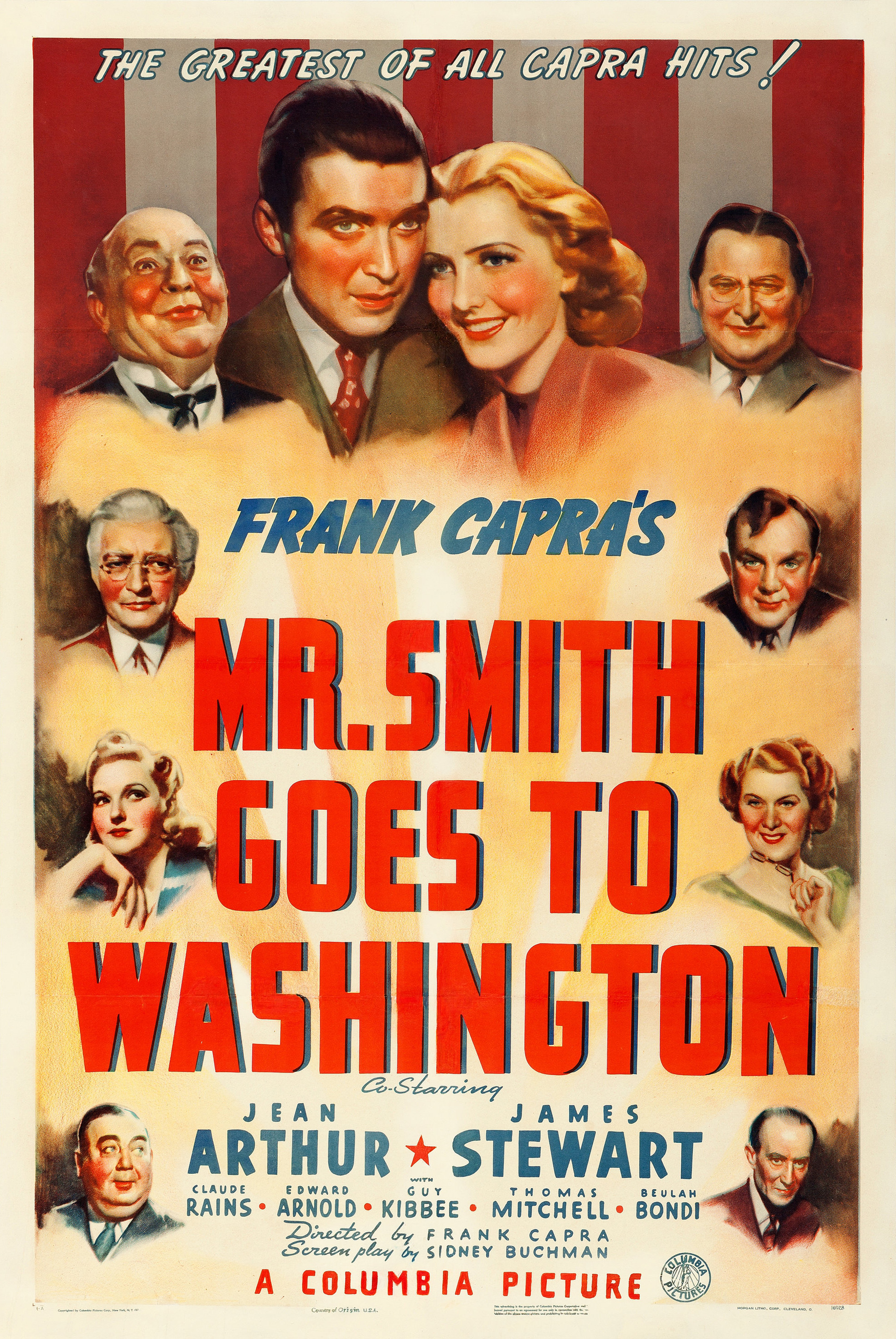
The zenith of his prewar influence is best understood through the cinematic landscape of 1939, a period widely considered the year of years for the studio system. Within a 12 month span that produced iconic works like Gone With the Wind and The Wizard of Oz, Capra released Mr. Smith Goes to Washington, cementing his reputation as a filmmaker capable of blending commercial appeal with rigorous political commentary. This era established Capra as a director who could mobilize audience approval while dissecting the systemic flaws of American institutions.
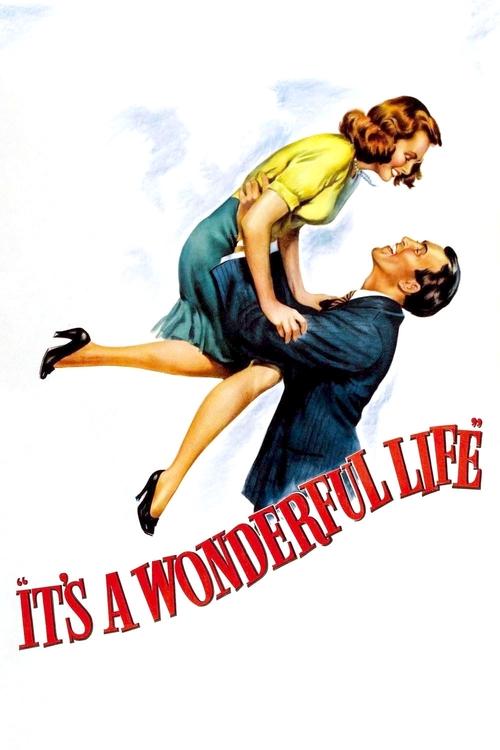
However, the postwar trajectory of Capra reveals a fascinating shift in his commercial invincibility and artistic tone. When It's a Wonderful Life premiered in 1946, it was met with commercial indifference, losing roughly half a million dollars and suffering a fate akin to legendary box office failures of later decades. Yet, this very project would eventually secure his cinematic legacy, evolving from an overlooked fantasy drama into an essential narrative of American cinema, demonstrating how his mythmaking could transcend the immediate cultural context of its release.
Thematic Preoccupations
At the center of the Capra filmography is an enduring obsession with the tension between the individual and the system. His narratives frequently isolate a morally steadfast protagonist against an overwhelming apparatus of political corruption or corporate control. In Mr. Smith Goes to Washington, this conflict manifests through a naive youth leader who is thrust into a compromised United States Senate, where the sheer weight of bureaucratic cynicism threatens to crush his political idealism. Capra continually asks whether democratic ideals can survive in a landscape dominated by entrenched financial and political interests.
The struggle between idealism and reality often requires a profound personal trial, culminating in themes of community and sacrifice. Rather than presenting easy victories, Capra forces his characters to the brink of despair. The redemption arc in It's a Wonderful Life is predicated on immense psychological suffering, pushing its protagonist to the edge of a tragic yuletide suicide. The ultimate salvation is never achieved in isolation but is instead granted through the collective intervention of the community, suggesting that human connection is the only viable defense against institutional apathy.
Furthermore, Capra explores the insidious nature of media influence and its capacity to manipulate public perception. His characters are frequently bombarded by provocative ideas and the rapid dissemination of printed and verbal communication. The media machine in Mr. Smith Goes to Washington operates as both a tool of oppression wielded by a racist ruling class and a potential instrument for populist awakening, highlighting the dual nature of modern communication in shaping democratic governance.
Despite the heartwarming experience often associated with his work, a deep current of tragic darkness runs through these thematic explorations. The whimsical framing of divine intervention or guardian angels cannot obscure the realist tenor of a housing crisis, poverty, or the existential dread of feeling erased from existence. By juxtaposing dark tragic elements with joyful moments, Capra crafts a populist myth that remains essential because it acknowledges the profound shadows inherent in the American dream.
Stylistic Signatures
The visual language of Frank Capra is characterized by a dynamic, emotionally immersive approach that prioritizes audience engagement over detached observation. His mise en scene often emphasizes the claustrophobia of institutional spaces contrasted with the organic, lived in warmth of small towns. By utilizing deep focus and crowded frames, Capra physically manifests the pressure exerted on the individual by the system, trapping his protagonists in visually dense environments that reflect their internal anxieties and external obstacles.
Capra possesses a distinctive editing rhythm that accelerates during moments of crisis, utilizing a barrage of overlapping dialogue and rapid cuts to simulate the chaotic machinery of politics and media. This technique bombards the viewer with information, creating a sensory overload that mirrors the disorientation of his naive heroes. The instances of printed communication and newspaper montages serve as a stylistic motif, translating abstract concepts of corporate control into tangible, kinetic sequences that propel the narrative forward with relentless momentum.
Sound and music are utilized not merely for atmospheric accompaniment but as integral structural components of his storytelling. The sonic landscapes of his films manipulate emotional resonance, with orchestral swells guiding the audience through harrowing existential crises and moments of euphoric triumph. The emotional impact of the musical experience is so pronounced that contemporary critics liken a live score accompaniment for his work to a three dimensional experience for the ears, particularly during the climactic sequences of his third acts.
Yet, the true signature of his direction lies in his ability to extract performances of profound depth and sincerity that ground his fantastical conceits. Even when navigating unconventional plot devices or holiday elements, Capra roots the supernatural in gritty realism. There is no unearned whimsy in his execution. The stylistic restraint during moments of utter despair ensures that when the narrative shifts toward its heartwarming resolution, the transition feels entirely earned, bridging the gap between bleak reality and hopeful fantasy.
Recurring Collaborators
The directorial vision of Frank Capra is inextricably linked to his creative partnership with James Stewart, an actor who became the quintessential avatar for the Capra protagonist. Stewart brought a unique blend of vulnerability, moral stubbornness, and profound sincerity to his roles, perfectly embodying the tension between the everyman and an oppressive system. In both Mr. Smith Goes to Washington and It's a Wonderful Life, Stewart anchors the narrative, transforming abstract concepts of political activism and civic sacrifice into deeply personal, relatable journeys.
Stewart possessed a rare ability to navigate the tonal extremes demanded by Capra, shifting seamlessly from bumbling, folksy charm to raw, agonizing despair. His legendary filibuster sequence in the Senate stands as a masterclass in physical and emotional exhaustion, while his portrayal of a frustrated businessman pushed to the brink of self destruction injects an unsettling darkness into a classic holiday tale. This collaboration allowed Capra to push his populist myths into darker psychological territories, trusting Stewart to maintain the empathy of the audience.
In addition to Stewart, Capra frequently relied on a formidable ensemble of character actors to flesh out his complex social ecosystems, most notably Thomas Mitchell. Appearing alongside Stewart in these monumental productions, Mitchell provided an essential grounding presence, often representing the pragmatic or cynical counterweight to the unbridled idealism of the lead. These recurring casting choices helped establish a cohesive, recognizable universe across the films, populating his worlds with familiar faces that enriched the texture and lived in authenticity of his cinematic legacy.
Critical Standing
The critical standing of Frank Capra has undergone a fascinating evolution, shifting from contemporary adulation to retrospective reassessment. During the late 1930s, his work was heralded as the pinnacle of Hollywood achievements, earning numerous Academy Award nominations and standing shoulder to shoulder with seminal works like Stagecoach and Gone With the Wind. Critics of the era celebrated his ability to capture the zeitgeist, recognizing Mr. Smith Goes to Washington as an exceptional political drama that successfully married commercial entertainment with biting civic critique.
However, his reputation faced significant turbulence in the postwar era. The initial reception of It's a Wonderful Life serves as a stark reminder of how disconnected critical consensus can be from future legacies. Originally dismissed by many as a box office flop and seemingly out of step with the cynical mood of late 1940s audiences, the film lost substantial revenue and languished in relative obscurity for two decades. During this period, the term Capracorn was sometimes weaponized by detractors to dismiss his work as overly sentimental or simplistic.
The ultimate cult comeback of his 1946 fantasy drama catalyzed a massive critical reappraisal of his entire filmography. Modern scholars and critics now recognize the profound complexity beneath the perceived sentimentality. The old world vision of an uplifting redemption arc, often compared to the structural framework of A Christmas Carol, is now understood to be layered with subversive sociopolitical commentary. Contemporary reviews frequently highlight the tragic darkness of his narratives, with some avant garde analysts even drawing startling thematic comparisons to existentially bleak works like The Seventh Seal.
Today, Capra occupies a secure and revered place within critical discourse as a master of the populist myth. His films are continuously referenced in modern political and cultural debates, illustrating the timeless themes of his artistry. Advocacy groups and politicians still leverage his imagery to debate filibusters and civic duty, proving that his cinematic achievements transcend mere entertainment. Ultimately, the scholarly consensus views Capra not merely as a purveyor of heartwarming resolutions, but as a sophisticated architect of American identity whose darkest insights make his optimistic conclusions all the more powerful.