Career Overview
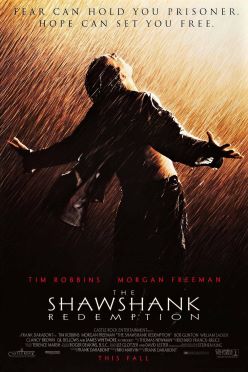
Frank Darabont cemented his position in modern American cinema through a distinctive commitment to classical narrative structures. Emerging in the 1990s as a premier adapter of the works of Stephen King, Darabont built a directorial career that eschewed postmodern cynicism in favor of earnest, character driven storytelling. His feature film trajectory began in earnest with The Shawshank Redemption in 1994, a project that established his formal rigor and thematic preoccupations within the prison drama genre.
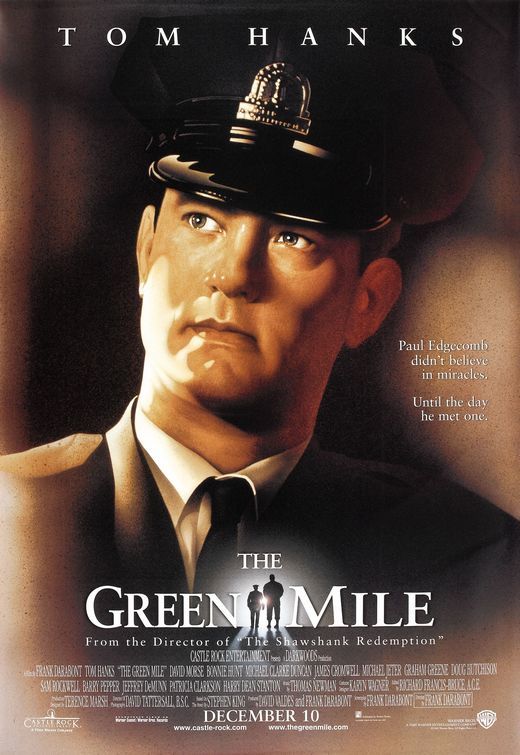
Following the eventual cultural ubiquity of his debut, Darabont returned to the penal milieu and the Stephen King bibliography with The Green Mile in 1999. This sophomore feature represented an expansion of scale and ambition. The film transported his signature focus on institutionalization and morality to a 1930s death row setting, integrating supernatural elements to heighten the moral stakes of his narrative. Through these two monumental works, he carved out a niche as a director of sprawling, novelistic cinema.
Historically, Darabont occupies a unique space alongside filmmakers who favor literary pacing over kinetic spectacle. Critics often compare his approach to the serialized storytelling of Charles Dickens, noting a structural dedication to gradual character development and profound emotional payoffs. His methodology aligns closely with the appeal of classic films from the Golden Age of Hollywood, placing him as a traditionalist within a rapidly modernizing cinematic landscape.
Thematic Preoccupations
A holistic examination of Darabont reveals an enduring obsession with the intersection of justice and redemption within the confines of penal institutions. Both The Shawshank Redemption and The Green Mile utilize the prison not merely as a setting, but as a crucible for human morality. Darabont investigates how systemic violence and institutional cruelty strip away superficial societal markers, forcing characters to confront their essential humanity and capacity for compassion in the face of absolute despair.
The concept of time operates as a primary thematic engine across his filmography. Darabont is deeply invested in how long term imprisonment shapes human existence and adaptation. In his narratives, time is both a weapon wielded by an unforgiving state and a canvas upon which patience and loyalty are meticulously mapped. This temporal focus allows for profound explorations of male bonding, where deep friendships become the only viable mechanism for survival in a hostile environment.
Furthermore, Darabont frequently infuses these stark, realist environments with spiritual and supernatural themes. The mysterious gift possessed by John Coffey in The Green Mile functions as a supernatural extension of the hope that sustains Andy Dufresne in The Shawshank Redemption. This intrusion of the miraculous into spaces defined by sleek brutality allows Darabont to elevate his narratives from mere sociological studies into modern fables about grace, guilt, and the fragile nature of innocence.
Stylistic Signatures
The stylistic signature of a Frank Darabont film is rooted in a thoughtful and deliberate pacing that critics often describe as a steadfast dedication to story. He favors expansive runtimes that allow his narratives to breathe, intentionally matching the slow crawl of a life sentence with a measured, methodical editing rhythm. This refusal to rush the narrative ensures that emotional crescendos feel earned rather than manufactured, even as some detractors note the risk of overlong pacing.
Visually, Darabont constructs a mise en scene that balances spiritual and gothic undertones with historical realism. His spaces are defined by a sullen and warm aesthetic, where the oppressive stone walls of a penitentiary are often pierced by distinct, heavenly shafts of light. This visual dichotomy perfectly mirrors his thematic blend of sleek brutality and warm fantasy. His framing choices frequently isolate characters within vast, institutional architecture before moving into intimate closeups during moments of interpersonal connection.
The director also relies heavily on narration to establish a literary tone. The use of a reflective voiceover, whether from Red in The Shawshank Redemption or an elderly Paul Edgecomb in The Green Mile, acts as a framing device that contextualizes the sprawling events of the past. Combined with sweeping, emotive orchestral scores, Darabont orchestrates a sensory experience that leans heavily into sentimentality, utilizing traditional cinematic grammar to craft thought provoking and deeply emotional narratives.
Recurring Collaborators
While the historical casting records highlight an absence of overlapping actors between his core cinematic outings, the most vital and recurring collaborator in the filmography of Frank Darabont is undeniably the author Stephen King. Darabont built his cinematic identity by adapting King, translating the intricate plotting and psychological depth of the author into a visual medium. This partnership allowed the director to mine the rich, gothic Americana that defines the literary source material.
Darabont approaches the adaptation process with a rare reverence for the original text. Rather than entirely deconstructing the source material, he distills the dense, episodic nature of the writing into sweeping cinematic arcs. This fidelity results in narratives that retain the sprawling, Dickensian qualities of the novels while achieving a distinct audiovisual identity. His collaborations with the underlying texts demonstrate a profound understanding of how to balance the macabre with the deeply humanistic.
In lieu of a recurring repertory company of actors across these specific productions, Darabont relies on casting veteran performers who can ground his heightened emotional registers. The ensembles in both The Shawshank Redemption and The Green Mile are tasked with carrying heavy thematic burdens, requiring performances that walk a delicate line between naive sentimentality and serious dramatic weight. By treating his literary source material as his primary collaborator, Darabont creates consistent, recognizable worlds regardless of the specific performers inhabiting them.
Critical Standing
The critical reception of Frank Darabont is marked by a fascinating dichotomy, splitting audiences between ardent admiration for his classical craftsmanship and skepticism regarding his sentimental tendencies. Upon their respective releases, both The Shawshank Redemption and The Green Mile were celebrated by populist critics as gripping and refreshing triumphs. Outlets like Empire Magazine lauded Darabont as a major talent in the making, praising his lavish and confident command of the fantasy drama genre.
Over time, a more polarized critical discourse has emerged regarding his ideological frameworks. While many critics revere his films as modern classics akin to the golden era of Hollywood, dissenting voices point to highly unconvincing elements within his storytelling. Publications like Slant Magazine and The Guardian have argued that his naive sentimentality often undermines serious examinations of violence, systemic trauma, and the realities of prison life. Furthermore, The Green Mile has faced severe retrospective criticism for relying on patronizing racial politics and saccharine narrative devices.
Despite these sharp ideological critiques, the enduring cultural footprint of his work remains undeniable. His films possess a resilient appeal that continues to resonate with audiences and scholars interested in traditional narrative structures. Darabont occupies a complex space in cinematic history as a populist auteur, a filmmaker whose subtle and tactful emotional manipulations provoke both intense devotion and rigorous academic scrutiny. He remains a crucial figure for understanding the survival of classical Hollywood storytelling techniques in the late twentieth century.