Career Overview
Fritz Lang stands as a monumental figure in early cinema, navigating the perilous transition from the silent era to the advent of sound with unparalleled ambition. His background in architecture and art heavily informed his directorial approach, allowing him to construct sprawling, immersive worlds that merged theatricality with harsh social realities. Positioning himself at the forefront of the German Expressionism movement, Lang redefined the boundaries of narrative filmmaking, crafting epics that functioned as both populist entertainment and rigorous philosophical inquiry.
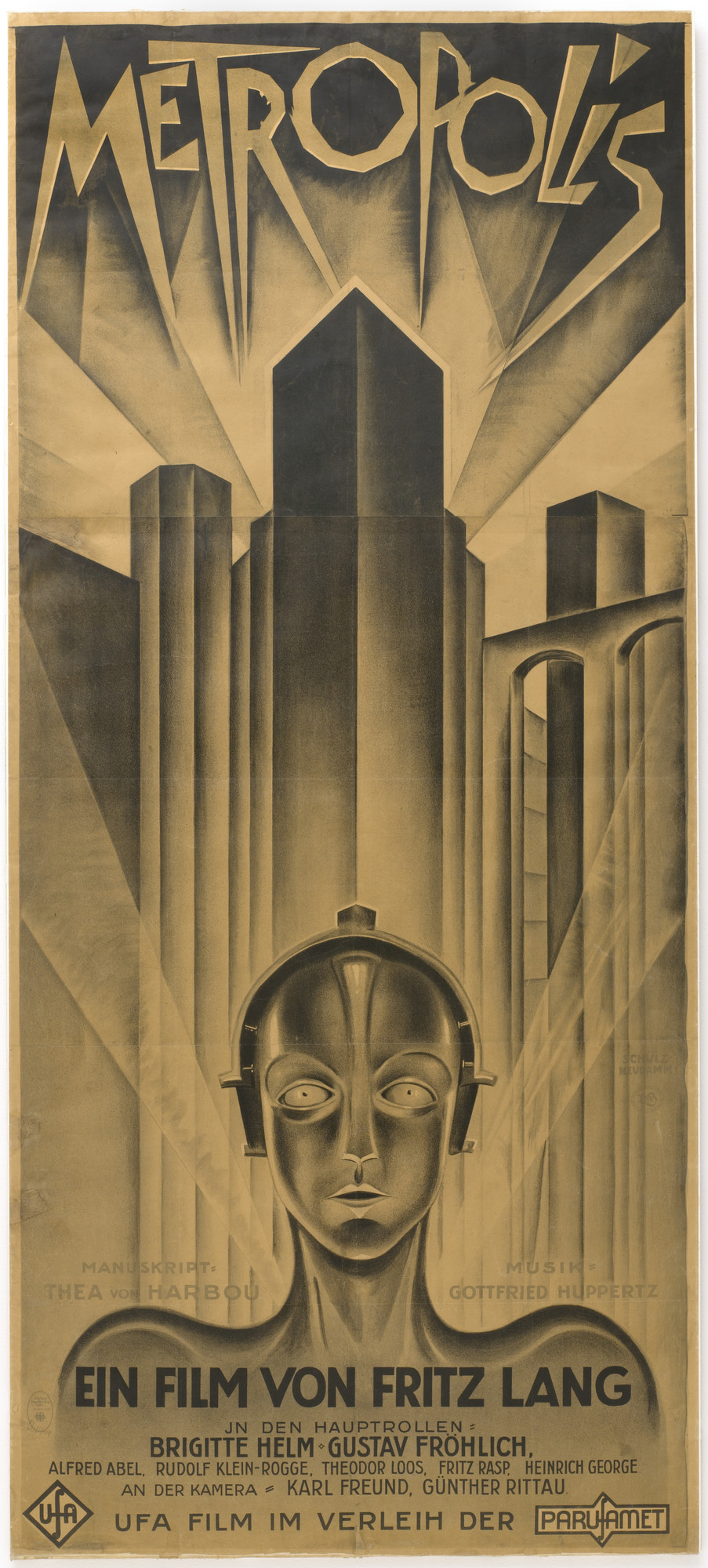
During the late 1920s, Lang achieved a high water mark in cinema with his ambitious projects, most notably Metropolis (1927). Bankrolled heavily by the UFA studio, Lang operated as one of the most demanding movie visionaries of his time. He led hundreds of designers and tens of thousands of extras to push analog filmmaking to its conceptual limits. This period solidified his reputation as a master architect of the screen, capable of managing immense production scale while injecting profound thematic resonance into his visual spectacles.
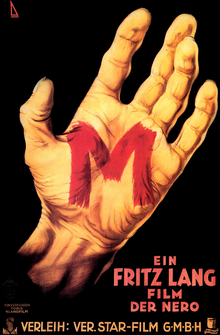
Transitioning into the 1930s, Lang demonstrated remarkable versatility by shifting his focus from grandiose science fiction to intimate, harrowing crime dramas. With M (1931), he abandoned the futuristic aesthetics of his earlier work to confront the immediate horrors of urban decay in contemporary Berlin. This evolution showcased his ability to scale down his sweeping epic vision into a tightly wound, suspenseful narrative, proving that his mastery of the medium extended far beyond mere visual scale.
Today, Lang is recognized as a cinematic pioneer whose work predicts the ideologies of class and race of the twentieth century. His filmography serves as an essential bridge between silent era theatricality and modern psychological storytelling. From the technological dystopia of his science fiction to the grounded paranoia of his crime thrillers, Lang left an indelible mark on cinematic history, influencing countless filmmakers who followed in his exacting footsteps.
Thematic Preoccupations
A central preoccupation across the filmography of Fritz Lang is the crushing weight of modern society on the individual, often articulated through the lens of class struggle and urban decay. In Metropolis, this tension manifests in a sharply divided futuristic society where the working class is literal machinery, fueling a technological dystopia. Lang continually asks whether humanity can survive its own industrial advancements, presenting a dystopian future steeped in technological fetishism that threatens to obliterate the human soul.
Equally prominent is his exploration of crime and punishment, a theme that dominates the narrative of M. Here, Lang interrogates the moral decay of a diseased society. By forcing both the police and the criminal underworld to hunt a child murderer, he blurs the lines between lawful justice and mob vengeance. This investigation into the darker facets of human nature creates a pervasive sense of psychological horror, questioning the inherent guilt of society as a whole rather than just the individual transgressor.
Paranoia serves as another foundational pillar of Lang's thematic architecture. His characters are frequently trapped in a nightmarish atmosphere, surveilled by oppressive forces or hunted by unseen predators. The feverish intensity of these scenarios transforms his films into profound hallucinatory experiences. Lang utilizes these paranoid themes to dissect the fragility of social order, revealing how easily civil systems fracture under the weight of fear and suspicion.
Finally, Lang frequently employs mythic storytelling to elevate his contemporary and futuristic anxieties into universal fables. The crazed futurist epic of Metropolis draws heavily on elements of Jung and Wagner, striving for a mythological scale. Even in the gritty, smoke filled dens of M, the narrative operates with an almost operatic fatalism. This recurring obsession with grand, mythic structures allows Lang to transform pitiable characters and localized tragedies into enduring statements on the human condition.
Stylistic Signatures
The visual language of Fritz Lang is fundamentally rooted in the stark contrasts and dramatic geometry of German Expressionism. He favors decadent imagery and meticulous framing to construct his nightmarish atmospheres, often drawing direct critical comparisons to the foundational shadows of The Cabinet of Dr. Caligari. His entire cinematic world frequently consists of men seen in shadows, trapped within oppressive architectural structures that dwarf their humanity, a technique that visually manifests his paranoid themes.
Lang is synonymous with visual spectacle and cinematic innovation, particularly in his approach to world building. His futuristic aesthetics feature an immense production scale that pushed the conceptual limits of analog filmmaking. The laboratory of the evil genius Rotwang in Metropolis, for instance, created the visual look of mad scientists for decades to come. This capacity for visual innovation allowed Lang to render abstract concepts of class and technological dread into tactile, unforgettable on screen realities.
With the transition to sound cinema, Lang proved equally groundbreaking in his use of auditory elements. He pioneered innovative storytelling techniques by deploying off screen sound, silence, and specific musical leitmotifs to build a suspenseful narrative. Instead of relying on graphic violence, Lang evokes chilling effects by letting the audience hear the terror, effectively using the absence of visual information to amplify the psychological horror of his terrifying moments.
His editing rhythms and mise-en-scene tendencies further underscore his rigorous directorial control. Lang moves seamlessly from grand, sweeping wide shots of mechanized cities to tight, claustrophobic close ups of pitiable characters. This impeccable execution ensures that every element of the frame, from the smoke filled dives to the conspiratorial conferences, contributes to the overarching hallucinatory experience. His stylistic signatures ultimately prioritize a commanding, almost sadistic precision that leaves nothing to chance.
Recurring Collaborators
The monumental achievements of Fritz Lang were made possible through key creative partnerships, most notably his complex relationship with the UFA studio. Bankrolling his most ambitious visions, UFA provided the staggering resources required for Lang to execute his massive world building. This institutional collaboration allowed him to lead hundreds of designers and tens of thousands of extras, providing the necessary infrastructure to bring his crazed futurist epics to vivid life.
Within his acting ensemble, Theodor Loos emerges as a vital recurring collaborator, bringing a crucial gravitas to Lang's expansive narratives. Appearing in both Metropolis and M, Loos provided a versatile, anchoring presence amid the director's intense visual stylings. His ability to navigate both the theatrical demands of silent science fiction and the psychological realism of early sound thrillers made him an essential instrument in Lang's evolving cinematic orchestra.
Though appearing in only one of the highlighted database films, Peter Lorre forged an inextricable link with Lang's legacy through his unforgettable portrayal of Hans Beckert in M. Lorre's performance as the porcine, pop eyed serial killer is consistently lauded as a haunting performance that anchors the film. By rendering the murderer both chilling and sympathetic, Lorre perfectly embodied Lang's complex vision of crime and punishment, delivering a character study that set the standard for psychological thrillers.
Behind the camera, Lang relied heavily on a small army of visionary craftspeople, set designers, and art directors. These unheralded artisans were instrumental in realizing his technological fetishism and decadent imagery. Their collective ability to design everything from sprawling underground cities to claustrophobic, smoke filled dens allowed Lang to execute his mythic storytelling. Furthermore, the enduring influence of his visual teams is evident in how their groundbreaking concepts inspired later animation marvels and foundational science fiction texts.
Critical Standing
Fritz Lang occupies an unassailable position in critical discourse, widely revered as a master architect of both the science fiction and crime thriller genres. Contemporary reviews and retrospective analyses consistently praise his work as a high water mark in cinema, viewing films like Metropolis as an essential cinematic history landmark. Critics at publications ranging from The Guardian to RogerEbert.com champion his epic vision, noting that his films remain some of the cinema's most visually amazing creations.
Within the realm of suspense and psychological horror, Lang is celebrated for establishing templates that modern filmmakers still follow. The A.V. Club and IndieWire frequently cite M as a masterwork of suspense and psychological depth, pointing to its innovative storytelling and impeccable execution. His ability to dissect a diseased society while maintaining a gripping narrative has earned him a reputation as an unparalleled observer of human frailty and institutional corruption.
The critical reception of his filmography often involves direct comparisons to other foundational works of suspense and expressionism. Reviewers frequently align his atmospheric elements with the dread found in The Lodger and trace his visual roots back to The Cabinet of Dr. Caligari. Additionally, his influence is consistently cited in discussions of modern dystopian cinema, with critics noting how his futuristic aesthetics paved the way for later visual triumphs, including the heavily praised Blade Runner.
As digital restorations continue to introduce his films to new generations, Lang's standing has only grown more monumental. Publications like the Los Angeles Times celebrate these fresh digital sheens, ensuring that his terrifying moments and hallucinatory experiences remain accessible must see films. Today, Lang is critically consensus categorized not just as an innovative director, but as a prescient visionary whose explorations of urban decay and paranoia remain distressingly relevant in the modern era.