Career Overview
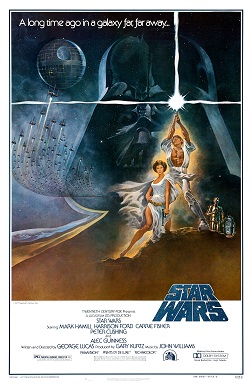
George Lucas occupies a singular space in the evolution of American cinema, operating at the nexus of classical Hollywood storytelling and radical technological innovation. Emerging alongside the New Hollywood movement of the 1970s, he fundamentally rewired the industry with the release of Star Wars: Episode IV - A New Hope. His work catalyzed a paradigm shift in how studios approached blockbuster filmmaking, moving the cinematic landscape toward grand mythological spectacles.
While many of his contemporaries leaned into gritty urban realism, Lucas pursued a more unabashedly fantastical vision. He synthesized disparate historical cinematic traditions into accessible modern mythologies. His career is characterized by this dual identity as a nostalgic storyteller and a pioneering futurist. He recognized the cultural hunger for epic narratives that could offer escapism while remaining grounded in universal human truths.
His impact extends far beyond his directorial efforts, as he essentially birthed modern visual effects and sound design industries. By establishing his own independent production empire, he challenged the traditional studio system from the outside. His legacy is that of a visionary architect who redefined the commercial and artistic possibilities of the medium, cementing his position as one of the most influential figures in cinema history.
Thematic Preoccupations
At the core of his thematic preoccupations lies the timeless struggle of good versus evil, framed through the lens of classic mythology. Lucas draws heavily upon the archetypal hero's journey, grounding his vast space operas in deeply familiar narrative elements. The narrative architecture of Star Wars: Episode IV - A New Hope operates as a cosmic fairy tale, concerning itself with heroism in adversity. He continually asks how ordinary individuals can rise against overwhelming systemic oppression.
He frequently translates the western motifs of classic cinema and samurai epics into the galactic arenas of midcentury science fiction. This synthesis allows him to explore universal themes of destiny, rebellion, and spiritual awakening. By filtering these older tropes through a futuristic lens, he creates a timeless appeal that resonates across generations. His protagonists are often reluctant participants in grand historical movements, forced to confront their own limitations.
Despite the immense scale of his universes, his thematic concerns remain rooted in popular fictions and deeply humanistic virtues. The mythological themes he explores serve to anchor the spectacular visual elements in recognizable emotional arcs. He demonstrates an obsession with the balance of power, both on a cosmic scale and within the individual spirit. Ultimately, his work serves as a modernized continuation of ancient storytelling traditions.
Stylistic Signatures
The visual language employed by Lucas is defined by a marriage of exuberant character designs and astonishing technological innovation. He approaches the frame with an eye for dynamic kinetic movement, creating a seamless blend of practical artistry and groundbreaking special effects. The stylistic DNA of Star Wars: Episode IV - A New Hope reveals a deep affection for the cinematic serials of his youth, echoing the propulsive energy of older genre films while executing them with unprecedented technical rigor.
His mise en scene is populated with lived-in distressed aesthetics, moving away from the pristine, sterile futures of earlier science fiction. This gritty realism applied to fantastical settings grounds the epic adventure in a tangible reality. The spectacular special effects serve not as mere visual clutter but as foundational elements of his world building. He crafts environments that feel ancient and expansive, suggesting histories that extend far beyond the edges of the screen.
Furthermore, his rhythmic editing and reliance on sweeping operatic musical cues establish a sense of majestic scale. He utilizes classical cinematic techniques, such as the prominent use of wipe transitions, to evoke the pacing of early adventure serials. The interplay between his astonishing visuals and grand symphonic scoring has become a defining characteristic of his stylistic fingerprint, elevating space adventure to the level of high art.
Recurring Collaborators
While the database identifies no recurring cast members across multiple films, the creative partnerships that Lucas cultivated were instrumental in realizing his ambitious visions. His most critical collaborations often occurred behind the camera, particularly in the realms of visual effects and sound design. He empowered a generation of technicians and artists to push the boundaries of cinematic possibility. These vital alliances allowed him to execute concepts that were previously thought impossible to film.
The monumental success of Star Wars: Episode IV - A New Hope was intrinsically tied to these collaborative efforts, which blended analog craftsmanship with emerging digital paradigms. The synergy between his mythic storytelling and the technical execution provided by his crew established a new benchmark for the industry. His reliance on masterful composers was equally crucial, as the musical identity of his work provided the emotional core for his visual spectacles.
These behind the scenes alliances effectively reshaped the collaborative structure of the modern Hollywood blockbuster. By fostering an environment where technological innovation was directly driven by narrative necessity, he created a unique developmental pipeline. His ability to assemble and inspire teams of pioneering artisans remains a testament to his collaborative ethos and visionary leadership.
Critical Standing
The critical standing of George Lucas has undergone a fascinating evolution since the late 1970s. Reviewers have frequently compared his monumental work to foundational texts like 2001: A Space Odyssey and The Hidden Fortress, recognizing both his ambition and his diverse cinematic influences. Contemporary critics praised Star Wars: Episode IV - A New Hope as a technically astonishing space adventure, celebrating its epic fairy tale qualities. He was quickly recognized as a master of blending high technology with classical storytelling.
While some initial discourse questioned the shift away from the cynical auteurism of his New Hollywood peers, critical consensus quickly acknowledged his unparalleled ability to craft a rewatchable classic. The comparisons to properties like Flash Gordon and Raiders of the Lost Ark highlight his success in elevating pulp entertainment into mythic cinema. Conversely, while contemporaries were crafting intimate dramas akin to Cries and Whispers or Bonnie and Clyde, Lucas successfully advanced the era of blockbuster spectacle inaugurated by Jaws.
Ultimately, his reputation is secured not just as a director, but as a visionary architect who permanently altered the trajectory of global cinema. His work continues to be dissected by scholars for its mythological depth and technological prescience, proving his undeniable talent for engaging audiences. He occupies a permanent, towering position in the critical pantheon, celebrated for reintroducing unapologetic wonder and heroism into the modern cinematic vocabulary.