Career Overview
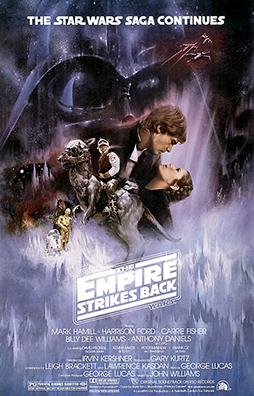
Irvin Kershner occupies a fascinating position in the history of American cinema, serving as a pivotal figure in the evolution of the modern blockbuster. Initially recognized for character-driven projects, his legacy is inextricably bound to his direction of Star Wars: Episode V - The Empire Strikes Back. When he took the helm of this monumental sequel, he was tasked with elevating a popular phenomenon into an arena of sophisticated storytelling. His career arc demonstrates a unique ability to marry independent film sensibilities with massive studio expectations, a synthesis that would redefine franchise filmmaking. The transition from modest projects to directing a sequel notorious for its escalating production cost required a visionary approach. Kershner navigated immense technical challenges and intense studio pressure to deliver a film that ultimately achieved triumphant box office performance. His background allowed him to ground fantastical elements in genuine human drama, an approach that proved essential for the mythos progression of the overarching narrative. Today, scholars view Kershner not merely as a studio craftsman, but as an architect of expanded universe potential. By injecting personal storytelling into an established corporate property, he provided a blueprint for how sequels could deepen their source material. His refined execution demonstrated that massive scale did not have to come at the expense of narrative development or emotional depth.
Thematic Preoccupations
Throughout his most scrutinized work, Kershner demonstrates a profound preoccupation with the burdens of destiny and the emotional intensity of failure. In Star Wars: Episode V - The Empire Strikes Back, he avoids the simple triumphalism often found in genre cinema, choosing instead to explore themes of defeat, revelation, and arduous personal growth. His characters are subjected to grueling physical and psychological trials, forcing them to confront their deepest fears in a hostile galaxy. A central pillar of his thematic architecture is the concept of mythic quality and its intersection with Star Wars universe expansion. Kershner uses the canvas of a cinematic space opera to ask deeply thought-provoking themes about power, loyalty, and the seductive nature of evil. The climactic confrontation in his work is rarely just a physical battle, but rather a profoundly destabilizing psychological revelation that challenges the protagonist's fundamental worldview. Furthermore, Kershner explores the absolute limits of heroism and the necessity of sacrifice. By stripping away the comfort of easy victories, he allows for a more complex narrative development that resonates on a deeply human level. This dedication to internal exploration ensures that the expanded universe potential is not merely about adding new locations, but about expanding the emotional and philosophical lives of the characters themselves.
Stylistic Signatures
The visual language of Irvin Kershner is defined by a striking juxtaposition of awe-inspiring visuals and intimate, claustrophobic framing. In Star Wars: Episode V - The Empire Strikes Back, he transforms a foundational science fiction premise into a mature visual extravaganza, utilizing inventive concepts to create atmospheric and brooding environments. His camera work emphasizes the vastness of the setting while remaining tightly focused on the psychological state of the characters, ensuring that spectacle never overshadows human drama. A defining characteristic of his mise en scene is the meticulous use of environmental storytelling to reflect internal conflict. The infernal machine of the carbon freezing chamber serves as a prime example of his visionary direction, where industrial steam, stark shadows, and high-contrast color palettes physicalize the despair of the heroes. His stylistic signatures prioritize mood over kinetic frenzy, resulting in a deliberate, methodical pacing that builds tension. Kershner also employs daring creativity in his editing rhythms and audio design. Rather than rushing through narrative beats, he allows moments of quiet introspection to linger, forcing the audience to sit with the characters in their uncertainty. This refined execution of pacing ensures that when the climactic action sequences arrive, they possess a monumental weight and lasting series impact.
Recurring Collaborators
Unlike auteur directors who assemble a consistent troupe of actors and technicians across completely original projects, Kershner's most celebrated work involved stepping into an already established cinematic ecosystem. Because there are no recurring cast members identified across multiple films in his broader database profile, his collaborative signature is best understood through his ability to integrate seamlessly with existing creative teams. He functioned as a stabilizing and elevating force for a cast and crew already deeply entrenched in their respective roles. His partnership with the established actors of the franchise was defined by pushing them far beyond their prior comfort zones. By demanding deeper emotional engagement, he helped transform archetypal figures into fully realized, flawed, and compelling human beings. Kershner fostered a trusting environment where the cast felt empowered to explore darker, more complex facets of their characters, leading to remarkably grounded performances within a fantastical setting. Equally crucial was his creative friction and partnership with the original architects of the franchise. While critics noted that the original creator was playing with his own personal universe forever, Kershner brought an external, highly mature perspective to the material. This collaboration between expansive imagination and grounded, character-driven focus resulted in a perfect synthesis of grand mythos and intimate storytelling.
Critical Standing
The critical reputation of Irvin Kershner has evolved from respectful acknowledgment to widespread reverence among cinephiles and art critics. Upon the release of Star Wars: Episode V - The Empire Strikes Back, the reception was highly complex and multifaceted. Publications like the Los Angeles Times praised its box office performance and noted that the film expanded and refined the narrative framework of the original picture. However, the staggering production cost and notably darker tone initially prompted a wide spectrum of contemporary reactions. While some assessments displayed limited enthusiasm, with The Guardian finding the film a bit boring despite its massive budget, the critical consensus rapidly shifted over subsequent decades. Esteemed platforms like RogerEbert.com aggressively championed the work, declaring it the best of the trilogy and highlighting its deeply thought-provoking themes. Critics at Empire Magazine echoed this elevated sentiment, praising the enormous progression in both the mythos of the series and the filmmaking quality itself. Today, Kershner occupies an exalted place within rigorous critical discourse and academic study. He is universally celebrated for executing a climactic confrontation and a whirl of emotional intensity that remains the absolute gold standard for franchise cinema.