Career Overview
Isao Takahata occupies a singular space in the history of global cinema, standing as a monumental figure who expanded the boundaries of animated filmmaking. Although intimately tied to the founding and creative output of Studio Ghibli, his directorial voice remains distinct from his peers. His work consistently demonstrates a commitment to mature, emotionally complex narratives that defy the conventional expectations of the animated medium. By treating animation as a canvas for serious drama, Takahata challenged the cinematic establishment to recognize the form as capable of profound artistic depth.
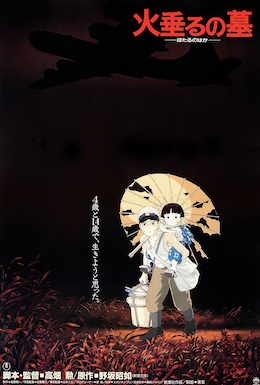
His chronological development is punctuated by a relentless pursuit of realism and emotional truth, culminating in his 1988 masterwork, Grave of the Fireflies. This film cemented his reputation as an auteur of extraordinary sensitivity and uncompromising vision. Rather than relying on fantasy, Takahata rooted his storytelling in the gritty, sobering realities of human existence. His approach to historical and social narratives elevated Japanese animation onto the world stage, proving that animated features could tackle subject matter typically reserved for live-action prestige dramas.
Through his dedication to character-driven narratives and meticulous craftsmanship, Takahata earned comparisons to legendary filmmakers like Yasujiro Ozu. Much like Ozu, Takahata demonstrated a profound empathy for his subjects, observing the quiet tragedies and fleeting joys of everyday life. His position in cinema history is that of a pioneer who dismantled the preconceived limitations of his chosen medium, leaving behind a legacy that continues to influence contemporary art critics and filmmakers around the globe.
Thematic Preoccupations
At the core of Isao Takahata's cinematic philosophy is an unflinching examination of survival, loss, and grief. His narratives are deeply rooted in the fragility of human life, particularly when subjected to the merciless forces of historical upheaval. In Grave of the Fireflies, these preoccupations are crystallized through the harrowing journey of Seita and his younger sister Setsuko. Takahata strips away any romanticized notions of struggle, focusing instead on the devastating reality of children facing starvation and abandonment. This relentless focus on survival forces the audience to confront the inherent vulnerability of youth in a fractured society.
Takahata repeatedly returns to the depiction of war, crafting strident correctives to traditional conflict narratives. He eschews stories where glory is won, focusing instead on a profound sense of overwhelming, genuine loss. His anti-war statements are not delivered through grand political speeches but through the intimate, agonizing decline of his protagonists. By centralizing the civilian experience, Takahata poses profound philosophical questions about societal responsibility and the catastrophic human cost of conflict, making his films deeply moving experiences that linger long after the credits roll.
Furthermore, Takahata is obsessed with the tension between innocence and the brutal realities of the adult world. His thematic exploration often involves a sobering reflection on how societal structures fail the most vulnerable during times of crisis. The emotional devastation in his work stems from the stark contrast between the natural resilience of childhood and the insurmountable obstacles placed before them. This thematic consistency elevates his filmography into a rigorous exploration of mortality, ensuring his narratives resonate as universal tragedies.
Stylistic Signatures
Isao Takahata's visual language is defined by a beautifully constructed storytelling approach that merges breathtaking artistry with an unsentimental portrayal of reality. Unlike the whimsical landscapes often associated with Studio Ghibli films like Spirited Away or Princess Mononoke, Takahata's aesthetic is grounded in a rigorous, almost documentary-like observation of the physical world. His mise-en-scene is meticulously detailed, capturing the minutiae of daily life to anchor the audience in a tangible, believable environment. This craftsmanship in filmmaking ensures that the setting feels incredibly authentic, heightening the emotional impact of the narrative.
One of Takahata's most defining stylistic signatures is his ability to juxtapose the inherent beauty of animation with deeply unsettling imagery. He does not shy away from the grotesque realities of his subjects, as seen in his depiction of a burnt, maggot-infested corpse in Grave of the Fireflies. This jarring contrast between the gentle medium of animation and the horrifying reality of the subject matter creates heart-stopping moments that leave viewers devastated. His pacing is deliberate and unhurried, allowing the agonizing reality of the characters' situations to unfold with a sickening inevitability.
The editing rhythms and use of sound in Takahata's work further emphasize his commitment to realism and emotional resonance. He employs periods of stark silence and ambient natural sounds to underscore moments of profound isolation and despair. When music is utilized, it often serves as a melancholy counterpoint to the on-screen tragedy, amplifying the wrenching nature of the drama. His character-driven narratives prioritize subtle facial expressions and restrained body language over exaggerated animation, solidifying his reputation as a master of nuanced, devastating cinematic artistry.
Recurring Collaborators
While the specific data on Isao Takahata's filmography highlights no recurring cast members across multiple films, his most significant and enduring collaboration was with the institutional framework of Studio Ghibli itself. As a co-founder of the legendary animation house, Takahata helped establish a production environment that prized artistic integrity and meticulous craftsmanship above all else. This institutional partnership provided him with the resources and the creative freedom to pursue narratives that other studios might have deemed too risky or bleak. The animators and background artists at Ghibli were essential collaborators, translating his demanding vision of grounded realism into beautifully constructed frames.
The absence of a recurring voice cast in Takahata's analyzed work speaks to his specific directorial priorities. Rather than building films around established star personas or recognizable vocal talents, Takahata focused entirely on the authenticity of the characters themselves. By casting actors who could deliver naturalistic, unforced performances, he ensured that the voices served the harrowing journey of the protagonists rather than distracting from it. This approach reinforces the unsentimental, documentary-like quality of his character-driven narratives, anchoring the animated figures in a profound sense of human reality.
Furthermore, Takahata's collaboration with the broader cinematic discourse is evident in how his work interacts with the themes explored by other filmmakers. While he did not explicitly co-direct with live-action directors, his work is in constant dialogue with the cinematic traditions established by masters like Yasujiro Ozu and contemporary filmmakers like Clint Eastwood. Through his partnership with the artists at Studio Ghibli, Takahata was able to elevate the animated medium, creating a collaborative legacy that continues to define the standard for serious, emotionally wrenching animated drama.
Critical Standing
Isao Takahata's critical standing rests on his reputation as a masterwork auteur who pushed the animated medium into uncharted emotional territory. Critics universally recognize Grave of the Fireflies as a devastating heart-stab of a movie, cementing Takahata's legacy as a filmmaker capable of delivering some of the most emotionally wrenching experiences in cinema history. Contemporary reviews from publications like the Los Angeles Times and Empire Magazine frequently highlight his beautifully constructed, animated dramas, praising his ability to craft narratives that are as sophisticated and devastating as any live-action prestige film.
Within critical discourse, Takahata's work is routinely compared to monumental live-action war films, illustrating the profound respect he commands among film scholars. Critics often align his unsentimental portrayal of conflict with Clint Eastwood's Flags of Our Fathers and Letters from Iwo Jima, as well as historical epics like The Bridge on the River Kwai and Schindler's List. These cultural comparisons underscore the critical consensus that Takahata's films transcend the typical boundaries of animation. Slant Magazine aptly described his work as a strident corrective to traditional war films, noting his unique ability to depict overwhelming, genuine loss without resorting to melodrama.
Over time, Takahata's reputation has only grown in stature, with critics frequently contrasting his sobering reflections on human suffering with the more fantastical output of his contemporaries. While films like Bambi or Up also explore themes of loss in animation, reviewers note that Takahata's harrowing journeys possess a singular, uncompromising bleakness that sets him apart. Praised by The Guardian for depicting a war story as wrenching as any live-action movie, Takahata is permanently enshrined as a visionary craftsman. His critical standing remains unimpeachable, celebrated for creating haunting, deeply moving masterworks of Japanese animation that challenge and devastate audiences in equal measure.