Career Overview
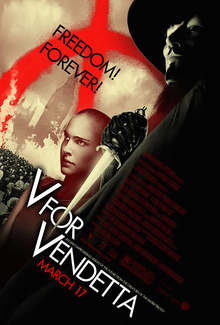
Stepping into the directorial spotlight with V for Vendetta, James McTeigue established himself as a filmmaker capable of managing grand scale and complex political allegories. His position in cinema history is largely defined by this singular, culturally explosive debut, which bridged the gap between comic book adaptations and serious dystopian discourse.
The frequent comparisons to The Matrix in reviews of his work are not accidental. Working closely with the Wachowskis during his formative years in the industry allowed McTeigue to absorb a specific brand of hyper-stylized, philosophically driven action cinema. When he finally took the helm as a director, he channeled these sensibilities into a narrative that interrogated authority and societal compliance.
Within the landscape of twenty-first-century blockbusters, McTeigue represents a fascinating intersection of studio commercialism and subversive messaging. His work demonstrates how a big-budget monstrosity can simultaneously attempt to function as a provocative piece of political cinema. While his subsequent career varied, his initial directorial effort solidified his reputation as a visual stylist willing to tackle weighty, potentially alienating subject matter.
Thematic Preoccupations
The central philosophical concern driving McTeigue's cinematic exploration is the corrosive nature of totalitarianism and the moral complexities of revolution. In V for Vendetta, he dissects a dystopian future Britain choked by state control, using this extreme setting to explore the limits of ideological fanaticism. The film poses uncomfortable questions about the methods required to dismantle systemic oppression and whether violent rebellion can ever be truly justified.
Closely tied to this exploration of systemic control is a deep preoccupation with individualism. McTeigue often highlights the tension between a homogenous, compliant society and the fractured, deeply traumatized individuals who refuse to conform. The masked protagonist in his defining film serves as an avatar for this extreme individualism, operating as both a literal character and a symbolic idea that infects the broader populace.
Reviewers frequently note the heavy ideological debt McTeigue owes to George Orwell, with constant comparisons drawn to 1984. However, McTeigue updates these classic warnings of government overreach for a contemporary audience, making his political messages feel incredibly timely and resonant. He grapples with the modern anxieties of surveillance, media manipulation, and the weaponization of fear, resulting in work that is consistently thematically ambitious even when the narrative execution feels uneven or manic.
Stylistic Signatures
McTeigue relies heavily on a visually arresting aesthetic that blends comic book framing with the bleak, oppressive atmosphere of classic cinematic dystopias. His directorial eye favors high-contrast lighting, stark color palettes, and grandiose architectural spaces that dwarf the human figures within them. This handsome design creates a world that is at once terrifying and undeniably beautiful, pulling the viewer into an immersive visual experience.
The visual language of McTeigue often borrows heavily from his background in action cinema, leading to inevitable stylistic comparisons to The Matrix. He employs hyper-kinetic editing rhythms during sequences of violence, contrasting these manic bursts of action with deliberate, almost theatrical pacing during moments of philosophical exposition. This duality creates an audacious, if sometimes disorganized, viewing experience.
Mise-en-scene in McTeigue's work is inherently symbolic. Every prop, shadow, and costume choice is designed to underscore the overarching themes of rebellion and state control. The theatricality of his characters, reminiscent at times of The Phantom of the Opera, is matched by bombastic sound design and sweeping musical cues that elevate the narrative beyond grounded realism into the realm of modern myth-making.
Recurring Collaborators
While McTeigue has not cultivated a stable repertory of actors across his filmography, his behind-the-camera collaborations have been instrumental in defining his cinematic voice. The most critical of these partnerships has been with production designer Owen Patterson. Patterson is responsible for the handsome design and visually striking environments that anchor McTeigue's dystopian visions, providing the necessary scale and texture to make the allegorical worlds feel tangible.
Furthermore, the ubiquitous comparisons to The Matrix across critical reviews highlight McTeigue's inextricable creative link to the Wachowskis. Although not explicitly credited as directors on V for Vendetta, their influence as writers and producers permeates the genetic makeup of the film. Their collaboration with McTeigue provided the structural foundation and thematic ambition that allowed him to transition from assistant director to lead filmmaker.
This reliance on strong visual and conceptual partners suggests that McTeigue functions best as an orchestrator of massive, collaborative visions. By working with designers and writers who share his affinity for politically charged, high-concept cinema, he is able to marshal the resources necessary to bring a big-budget monstrosity to the screen while maintaining a distinct, provocative visual identity.
Critical Standing
James McTeigue occupies a highly polarizing position within critical discourse. His entry into feature filmmaking was met with deeply divided reactions, splitting critics between those who found his work timely and resonant and those who dismissed it as pompous and confused. This polarization stems from his willingness to tackle dense political allegories within the framework of massive studio blockbusters, an approach that inevitably invites intense scrutiny.
Supporters of McTeigue praise his audacious visual style and his thematic ambition. Outlets frequently celebrated V for Vendetta as a visually arresting triumph, lauding its ability to inject genuinely subversive ideas into mainstream entertainment. For these critics, his work serves as a vital critique of contemporary political landscapes, successfully updating the paranoid dread of The Man Who Fell to Earth or 1984 for a new generation.
Conversely, detractors frequently criticize his narratives as structurally uneven and intellectually shallow. Critical reviews have notoriously described his approach as a tranquilizer, arguing that the slick, big-budget execution ultimately neutered the revolutionary ideas at the core of the story. Other critics found the sheer volume of competing ideas to result in a manic disorganization that failed to create a credible cinematic future.
Over time, McTeigue's critical reputation has settled into an acknowledgment of his significant visual talents paired with lingering skepticism regarding his narrative finesse. He is widely regarded as a filmmaker capable of producing stunning, politically charged imagery, even if the underlying execution sometimes succumbs to the weight of its own ambition. His legacy remains inextricably linked to the cultural footprint of his debut, a film that continues to shape discussions surrounding dystopian cinema and digital-age rebellion.