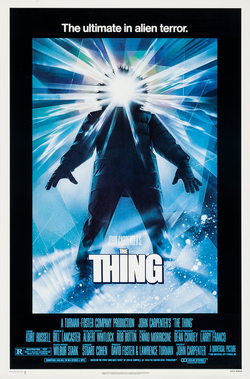
Career Overview
John Carpenter represents a pivotal figure in modern American genre cinema, establishing his legacy through rigorous, uncompromising explorations of fear and survival. Emerging from the independent film movement, he carved a distinct space within horror and science fiction by elevating traditional B movie tropes into sophisticated exercises in tension. His career trajectory highlights a director who consistently prioritized atmosphere and technical innovation over conventional Hollywood narratives.
His position in cinema history is largely defined by his unparalleled ability to craft suspenseful atmospheres that challenge audiences viscerally. By merging the pacing of classic thrillers with groundbreaking techniques in special effects, Carpenter redefined the aesthetic possibilities of horror. His work serves as a crucial bridge between the atmospheric chillers of the mid twentieth century and the explicit, effects driven blockbusters that followed.
Through an accomplished directorial approach, Carpenter proved that genre cinema could be both intellectually compelling and technologically advanced. His dedication to pushing the boundaries of practical execution secured his reputation as an auteur of the macabre. Consequently, his legacy is that of a visionary filmmaker who transformed implausible scenarios into deeply resonant, thrilling experiences for the discerning cinephile.
Thematic Preoccupations
At the core of John Carpenter's cinematic universe lies a profound obsession with isolation motifs and the fragility of human trust. His thematic preoccupations frequently center on small, confined groups of individuals forced to confront incomprehensible, often alien threats. By situating his narratives in desolate environments, Carpenter strips away societal safety nets, forcing his protagonists to grapple with paranoia and existential dread in the face of an encroaching other.
The concept of metamorphosing characters is another crucial pillar of his philosophical inquiry. Carpenter consistently asks what it means to be human when identity itself can be perfectly replicated or consumed by an alien force. This theme of bodily and psychological invasion explores the terror of the unknown residing within the familiar, challenging the viewer to question the authenticity of the people around them.
While some critical voices have occasionally noted superficial elements or disappointing plots in his work, these critiques often overlook the compelling narrative function of his archetypal characters. Carpenter uses these seemingly straightforward figures as vessels to explore larger cosmic horrors. The true thematic weight of his filmography rests not in complex character drama, but in the harrowing, elemental struggle for survival against unfathomable odds.
Stylistic Signatures
The visual language of John Carpenter is defined by its masterful cultivation of a suspenseful atmosphere and tense pacing. He approaches the horror genre with a deliberate, almost methodical rhythm, allowing dread to accumulate slowly before unleashing moments of visceral shock. His cinematic spaces are meticulously composed to emphasize emptiness and vulnerability, using the camera to stalk the protagonists and amplify the inherent isolation of their settings.
A hallmark of his stylistic signature is the deployment of groundbreaking techniques in practical and special effects. Carpenter relies heavily on top notch execution to realize his chilling moments, utilizing gruesome, tactile creations that ground his implausible scenarios in a shocking physical reality. This dedication to practical artistry ensures that the metamorphosing monstrosities on screen possess a horrifying weight and presence that digital effects often lack.
Furthermore, Carpenter exhibits an accomplished direction that seamlessly integrates visual horror elements with deeply thrilling experiences. His editing rhythms are precisely calibrated to maximize suspense, often holding shots just long enough to create profound unease. By combining these rigorous cinematographic approaches with an unparalleled command of tone, Carpenter constructs immersive worlds where the audience feels as trapped and paranoid as the characters on screen.
Recurring Collaborators
Although the specific database records for Carpenter do not highlight recurring cast members across multiple films, his creative process is deeply reliant on the strength of ensemble acting and technical partnerships. Carpenter demands strong performances from his casts, requiring actors to convey profound terror and mounting paranoia with authenticity. This collaborative dynamic is essential to ground his elaborate science fiction concepts in recognizable human emotion.
The director frequently partners with elite teams of special effects artists and technicians to bring his ambitious visions to life. These behind the scenes collaborations are crucial to his cinematic identity, as the groundbreaking techniques required to realize his alien monstrosities demand exceptional craftsmanship. The synergy between Carpenter's directorial vision and the ingenuity of his effects teams results in the top notch execution that defines his most celebrated work.
Furthermore, his reliance on a dedicated crew extends to the intricate choreography of his suspense sequences. By working closely with cinematographers and production designers, Carpenter ensures that every shadow and confined space contributes to the overall chilling atmosphere. These creative partnerships demonstrate that his auteurist vision is ultimately a masterclass in collaborative execution, blending performance and technical wizardry into a cohesive whole.
Critical Standing
The critical reputation of John Carpenter has undergone a fascinating evolution, shifting from polarized contemporary reviews to widespread canonical reverence. Initial reactions to his work were frequently divided. Prominent critics like Roger Ebert famously described his films as great barf bag movies, occasionally dismissing them for superficial characterizations and disappointing plots. During this early period, the sheer visceral intensity of his groundbreaking effects often overshadowed his accomplished directorial control.
Over time, however, critical discourse has drastically realigned, repositioning Carpenter as a master of the horror and thriller genres. Outlets such as The Guardian and Variety now frequently praise his work as taut, suspenseful cinema featuring top notch execution. Retrospective analyses often compare his achievements favorably to seminal works like Alien and the classic The Thing from Another World, acknowledging his unique ability to honor genre traditions while forging an entirely new, chilling aesthetic.
Today, Carpenter's standing among film students, art critics, and filmmakers is unassailable. He is celebrated not merely as a purveyor of thrills, but as an uncompromising artist who utilized horror elements to craft compelling narratives about isolation and paranoia. His films remain essential texts in the study of cinematic suspense, cementing his legacy as one of the most influential directors in the history of American genre filmmaking.