Career Overview
John Lasseter occupies a foundational position in the history of modern cinema, recognized primarily for ushering in the era of computer-generated animation. His career arc represents a critical bridge between traditional hand-drawn techniques and the digital frontier. By anchoring revolutionary technology in classical storytelling principles, Lasseter redefined the possibilities of the animated feature film. His work effectively shifted the trajectory of commercial animation, proving that digital polygons could evoke the same warmth and empathy as traditional ink and paint.
Before directing his breakthrough feature, Lasseter steeped himself in the foundational principles of character animation. This background informed his approach to digital filmmaking, ensuring that technological spectacle never overshadowed narrative substance. He treated the computer not merely as a novelty, but as a new kind of camera that required the same rigorous understanding of framing, lighting, and performance as live-action cinema. This philosophy laid the groundwork for an entirely new animation paradigm.
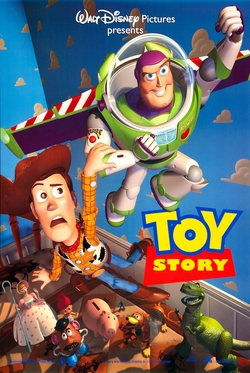
The release of Toy Story in 1995 marked a watershed moment in the medium. It was an unprecedented achievement that established a new standard for the genre, successfully integrating sophisticated digital environments with deeply relatable characters. Critics widely acknowledged this pivotal step along animation's most promising new frontier. By achieving a level of detail and fluidity previously unseen, Lasseter cemented his reputation as a visionary filmmaker who fundamentally altered the cinematic landscape.
Thematic Preoccupations
A rigorous thematic analysis of Lasseter's directorial output reveals a sustained preoccupation with questions of identity and existential purpose. His characters frequently grapple with their place in the world, defining their self-worth through their utility to others. When external circumstances threaten this utility, the resulting crisis of identity forces a profound psychological reckoning. This internal conflict elevates the material from simple children's entertainment to a sophisticated exploration of psychological resilience.
The inevitability of change serves as another foundational pillar of his work. Characters are consistently forced to navigate shifting environments, unexpected rivals, and the terrifying prospect of obsolescence. Rather than retreating into cynicism, Lasseter frames these disruptions as necessary catalysts for personal growth. The journey toward accepting a new reality forms the emotional core of his narratives, resulting in heartfelt themes that resonate deeply with audiences of all ages.
To balance these weighty existential concerns, Lasseter places immense value on the stabilizing force of friendship. Rivalries frequently escalate before giving way to mutual reliance, illustrating how shared adversity can forge unbreakable bonds. Furthermore, he masterfully interweaves these emotional arcs with humorous moments and whimsical storytelling. This precise tonal equilibrium ensures that his philosophical explorations remain accessible, creating a timeless resonance that continues to captivate contemporary critical discourse.
Stylistic Signatures
Lasseter's stylistic signatures are defined by his pioneering approach to three-dimensional digital space. Unlike traditional animation that often placed flat characters against static painted backdrops, his films fully animate both the characters and the environments they inhabit. This technique creates a tangible sense of volumetric reality and a liberating freedom of movement. His camera functions with the dynamic energy of live-action cinematography, utilizing complex tracking shots and a realistic depth of field that grounds the fantastical elements in a recognizable physical world.
Lighting and texture operate as crucial narrative devices within Lasseter's mise-en-scene. In Toy Story, the groundbreaking animation leverages the distinct properties of plastic, wood, and fabric to differentiate characters and environments. The impressive level of detail and realism does not merely showcase technical prowess, but actively enhances the emotional weight of the story. Light is used to convey mood, delineate space, and establish a palpable atmosphere that breathes life into inanimate objects.
Rhythm and pacing further distinguish Lasseter's directorial style. Reviewers frequently describe his work as a visionary roller coaster ride, characterized by kinetic, intricately choreographed action sequences. However, these sequences are meticulously balanced with quiet, contemplative beats that allow the emotional depth of the characters to surface. This rhythmic editing ensures that the innovative storytelling never overwhelms the audience, maintaining a precise focus on character development amidst the dazzling visual spectacle.
Recurring Collaborators
While specific recurring cast members do not dominate across multiple isolated entries in this particular dataset, Lasseter's work is intrinsically defined by a highly collaborative studio model. His directorial process relies on a core collective of writers, animators, and technical directors. This collective approach mirrors the very themes of friendship and teamwork that permeate his films. By fostering an environment where creative and technical teams work in synergistic harmony, Lasseter ensures that every visual innovation serves a specific narrative purpose.
The partnership between traditional storytellers and pioneering software engineers constitutes a vital creative alliance in his filmography. The groundbreaking achievements of his films are the direct result of this synthesis. Animators pushed the boundaries of the digital medium, while writers grounded the spectacle in classical narrative structures. This unique collaboration yielded a level of fluidity and expression that fundamentally expanded the vocabulary of modern animation.
Additionally, Lasseter's reliance on exceptional ensemble voice casts cannot be overstated. Rather than casting solely for marquee value, he prioritizes vocal performances that bring genuine emotional texture to digital avatars. The actors become essential co-creators of the characters, infusing them with a warmth and humanity that transcends the computer-generated imagery. This symbiotic relationship between vocal performance and digital animation remains a hallmark of his enduring cinematic legacy.
Critical Standing
Lasseter's critical standing is monumental, characterized by near-universal acclaim for his role in revolutionizing the animated feature. Upon its debut, Toy Story was immediately recognized as a groundbreaking achievement. Critics lauded it as a dazzling, funny, and inventive film that set a towering new standard for the genre. The sheer technical marvel of the animation left reviewers astounded, with many praising the unprecedented detail and three-dimensional reality that defined his visual approach.
Within the broader context of film history, critics frequently place Lasseter's output alongside the most significant milestones in animation. Reviewers actively