Career Overview
John McTiernan stands as a definitive architect of modern American action cinema. Contextualizing his arrival in the late 1980s reveals an era previously dominated by muscle-bound, invincible heroes. McTiernan disrupted this landscape by introducing a grounded, deeply humanistic approach to blockbuster filmmaking. His work repositioned the Hollywood studio spectacle, demanding a higher structural intelligence and a more rigorous formal control from the genre.
His trajectory from his earlier genre exercises to the absolute crystallization of his vision in Die Hard demonstrates a remarkable evolution. McTiernan proved that mass entertainment could be both intellectually engaging and viscerally thrilling. By anchoring his explosive set pieces in genuine human vulnerability, he created a template that countless subsequent filmmakers would attempt to replicate in the decades that followed.
Ultimately, his lasting footprint on film history bridges the gap between the gritty, cynical exploitation cinema of the 1970s and the slick, high-concept studio pictures of the 1990s. His career arc represents a sustained masterclass in elevating B-movie premises into A-list prestige, fundamentally altering how critics and audiences alike engage with the mechanics of cinematic tension.
Thematic Preoccupations
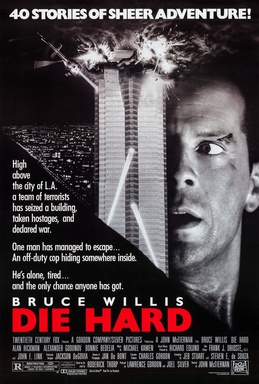
McTiernan consistently explores the vulnerability of the modern hero. Unlike the indestructible protagonists of comparable franchises like Rambo or the hyper-kinetic leads of Lethal Weapon, his central figures are defined by their physical limitations and emotional fatigue. The hostage situation in Die Hard serves as a perfect crucible for these limitations, forcing an ordinary man to confront extraordinary, terrifying circumstances without the benefit of superhuman abilities.
A recurring preoccupation with claustrophobia and systemic breakdown permeates his narratives. McTiernan deliberately isolates his characters within massive, highly modern infrastructures, such as the corporate high-rise, that suddenly fail them. This hostile environment necessitates a character-driven narrative where survival depends entirely on wit, painful improvisation, and adaptability rather than overwhelming firepower or state-sanctioned authority.
Furthermore, his films thrive on the duality between the antagonist and the protagonist. His narratives feature multi-faceted characters on both sides of the conflict, refusing to reduce villains to mindless obstacles. The criminals in a McTiernan film are typically highly organized, sophisticated adversaries, forcing a dialectical tension that elevates the standard good versus evil trope into a compelling, high-stakes chess match.
Stylistic Signatures
McTiernan is widely celebrated for his taut direction and relentless pacing, which he achieves through highly deliberate, motivated camera movement. His visual language relies on impressive cinematography that maps out confined spaces with architectural precision. The spatial geography of a building or a room is established so clearly that the audience intuitively understands the physical stakes and logistical hurdles facing the characters.
The seamless editing rhythms in his films construct a masterful sense of escalating tension. Rather than relying on chaotic, rapid-fire cuts to manufacture kinetic energy, McTiernan favors fluid, continuous action that preserves the physical reality of the stunt work. This classical approach yields action-packed sequences that feel grounded, geographically legible, and intimately tied to the physical exhaustion of the protagonist.
His meticulous use of sound design and alluring soundtracks further elevates the narrative tension. He utilizes auditory cues to track movement through walls, elevator shafts, and ventilation systems, significantly heightening the claustrophobic dread of his settings. Combined with dazzling visuals and a perfectly balanced aesthetic, these stylistic choices result in a highly sophisticated execution of the thriller genre.
Recurring Collaborators
While McTiernan has worked with various ensembles throughout his career, his creative partnerships are fundamental to his distinct cinematic voice. His most vital and defining collaboration in Die Hard is arguably with actor Bruce Willis, whose casting provided a vital, fresh take on the genre. By casting a television comedy actor rather than a traditional action star, McTiernan actively redefined the leading man for an entire generation of filmgoers.
Willis brings a highly relatable, charismatic performance that perfectly channels the director's vision of the vulnerable everyman. The dynamic between Willis and the supporting cast anchors the explosive spectacle in genuine, recognizable emotion. The interplay with actors like Alan Rickman, who portrays a uniquely sophisticated antagonist, and Reginald Veljohnson, who serves as a grounded radio confidant, illustrates McTiernan's talent for building compelling interpersonal webs.
Behind the camera, McTiernan's reliance on top-notch cinematographers and editors allows him to flawlessly execute his complex visual strategies. These crucial technical collaborations ensure that his well-crafted screenplays are translated to the screen with slick, dazzling efficiency. It is this synergy between cast and crew that ensures his high-octane sequences are built atop a rock-solid foundation of wit and humanity.
Critical Standing
The critical reception of McTiernan's work has evolved significantly over the decades, moving from initial appraisals of his films as archetypal Hollywood exploitation pictures to their current status as foundational texts of modern cinema. Upon release, reviewers immediately noted the dazzling mechanics and dead certain star-making power of Die Hard, but contemporary analysis more fully recognizes the deep formal intelligence at play behind the explosions.
Critics frequently place his output in conversation with contemporaries like Lethal Weapon and Rambo, noting how McTiernan provides a necessary, humanizing corrective to the 1980s era of invincible cinematic heroes. Publications like Slant Magazine praise his ability to deliver three movies in one, highlighting a complex narrative architecture that layers thrilling action over profound emotional depth and sharp wit.
Today, his standing within critical discourse is that of a master craftsman and a defining auteur of the American action film. He is consistently lauded for elevating the high-octane thriller into a space of rigorous artistry. Outlets such as IndieWire cite his work as an absolute masterclass in action filmmaking, securing his reputation as a director whose precise, character-driven narratives fundamentally altered the trajectory of Hollywood genre cinema.