Career Overview
Jon M. Chu occupies a fascinating space in contemporary Hollywood. He operates at the intersection of commercial spectacle and theatrical tradition. Over his career, Chu has transitioned from directing kinetic dance films to helming some of the most ambitious musical adaptations of the modern era. His trajectory reveals a filmmaker increasingly interested in translating the sheer scale of the Broadway stage to the cinematic canvas. He has built a reputation as a reliable studio architect capable of managing massive intellectual properties while retaining a core of emotional sincerity.
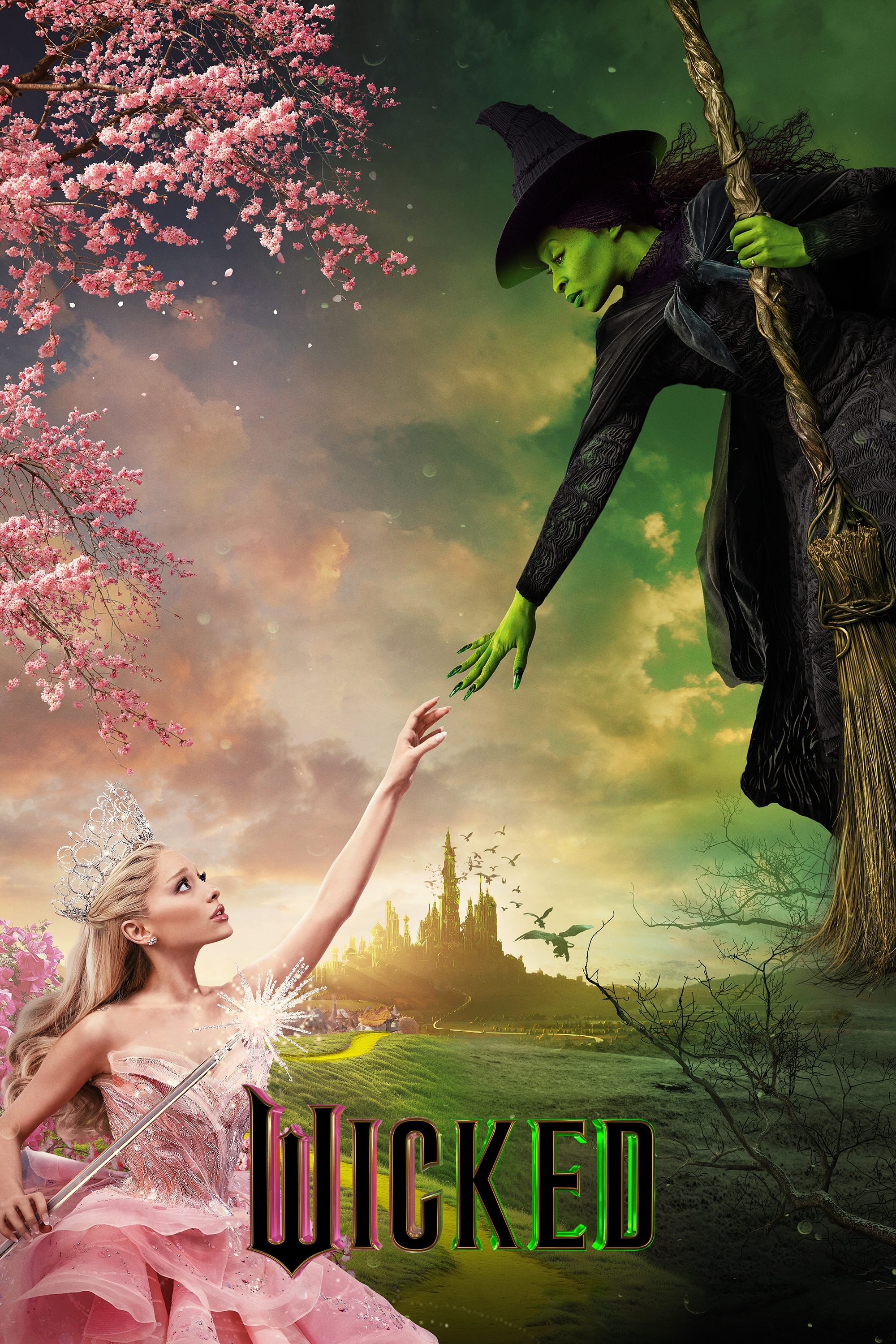
This evolution culminates in grand cinematic events like Wicked: For Good. In this later stage of his career, Chu has fully embraced the blockbuster musical genre. He bridges the gap between populist entertainment and the formal demands of the movie musical. His work demonstrates a deep understanding of how to synthesize choreography, music, and digital world creation. Rather than reinventing the musical form, he amplifies it for modern multiplex audiences.
As a director, Chu reflects a broader shift in studio filmmaking where established theatrical properties are given massive budgets to rival superhero spectacles. His position in cinema history is increasingly defined by his ability to navigate these massive productions. By balancing overwhelming visual ambition with moments of quiet character focus, Chu secures his status as one of the premier orchestrators of the modern Hollywood musical.
Thematic Preoccupations
At the center of Chu's most ambitious work lies a profound fascination with power, corruption, and the mechanisms of societal control. His films frequently utilize the framework of fantasy and musical theater to construct a political allegory. By examining how political upheaval forces individuals into opposing moral camps, Chu interrogates the nature of authority and the cost of challenging the status quo. His narratives often explore how systemic corruption forces marginalized figures into roles of rebellion.
Parallel to these overarching political concerns is an intimate focus on female friendship and emotional transformation. Chu is deeply invested in the bonds between women and how these relationships fracture under the weight of external pressures and ideological differences. The themes of friendship and sacrifice are intricately intertwined in his narratives. Characters are routinely forced to weigh their personal devotions against their moral convictions, resulting in a text where personal heartbreak is inseparable from political tragedy.
Furthermore, his work demonstrates an increasing willingness to engage with darker themes that subvert the inherent buoyancy of the musical genre. Chu navigates the tension between superficial spectacle and underlying trauma. He explores how public personas are manufactured and how historical narratives are shaped by those in power. Through this thematic lens, his cinema asks vital questions about identity, the nature of villainy, and the ultimate sacrifices required to achieve true justice.
Stylistic Signatures
The visual language of Jon M. Chu is defined by an absolute commitment to maximalism. He frequently employs vibrant colors and highly saturated palettes to construct visually spectacular environments. His framing often emphasizes the sheer scale of his fictional worlds. By utilizing sweeping camera movements and grand wide shots, Chu creates an overwhelming sense of place. This approach transforms the screen into a digital proscenium where every inch of the frame is packed with production value and kinetic energy.
However, this dedication to overwhelming visual splendor frequently creates a stylistic tension within his mise en scène. The grandeur of the spectacle sometimes threatens to eclipse the necessary intimacy of the narrative. To counter this, Chu relies heavily on tight closeups during crucial musical numbers to capture emotionally rich performances. By centering the performer, he attempts to anchor his sprawling digital landscapes in raw human emotion. This technique transforms sweeping musical sequences into potent showcases for his leading actors.
From an editorial and auditory perspective, Chu treats the movie musical with a sweeping, operatic intensity akin to contemporary adaptations of stage classics like Les Miserables. His editing rhythms are largely dictated by the musical score, with cuts timed to crescendoing orchestral swells and dramatic vocal belts. This creates a relentless, propulsive momentum that drives the narrative forward. While the aesthetic can occasionally border on the sensory exhausting, it remains a distinct stylistic signature that completely immerses the viewer in his meticulously crafted worlds.
Recurring Collaborators
While the provided database does not identify specific cast members appearing across multiple productions, Jon M. Chu has a well documented tendency to build his massive projects around singular, transformative performers. His directorial approach relies heavily on fostering a symbiotic relationship with his leading actors. He constructs elaborate cinematic frameworks designed specifically to highlight the unique vocal and emotional talents of his stars. This strategy is most evident when he collaborates with established pop icons or theatrical veterans, allowing them to anchor his sprawling narratives with radiant charisma.
The collaboration between director and performer in Chu's cinema is fundamentally about creating a safe space for massive emotional swings. He directs his actors to lean into the theatricality of their roles while simultaneously demanding a grounded psychological realism. This dual requirement ensures that when his stars step into the spotlight, they deliver performances that are both vocally spectacular and emotionally resonant. Chu acts as a conductor, guiding his cast through the darker thematic territories of the script while ensuring their star power remains undiminished.
Beyond the cast, Chu's maximalist vision necessitates deep, ongoing partnerships with production designers, visual effects supervisors, and musical directors. Achieving the overwhelming scale and saturated vibrancy that define his aesthetic requires a unified technical crew. These behind the scenes collaborations are crucial to his world creation process. Together, they construct the massive, vibrantly colored sets and intricate auditory landscapes that allow the musical numbers to achieve their full, operatic potential.
Critical Standing
The critical reception of Jon M. Chu has evolved significantly over his time in the director's chair. Initially viewed as a competent craftsman of commercial entertainment, he has gradually earned respect as an ambitious architect of the modern cinematic musical. Critics frequently praise his ability to mount visually spectacular sequences and applaud his bold use of vibrant colors. He is often celebrated for bringing an unabashed sincerity to genres that other filmmakers might treat with cynicism.
However, his critical standing is also marked by consistent debate regarding his handling of scale versus intimacy. Reviewers often note a tension in his work where the sheer magnitude of the production threatens to overshadow the delicate character dynamics the story requires. Critics have observed that while his films are undeniably overwhelming in their technical execution, they occasionally lose sight of the nuanced emotional core. Despite this recurring critique, major publications consistently highlight the radiant charisma of his lead actors, suggesting that his direction successfully elicits phenomenal, emotionally rich performances.
In contemporary critical discourse, Chu is firmly positioned as a populist auteur who takes blockbuster filmmaking seriously. His recent work has been recognized for exploring darker themes and complex political allegories with unexpected nuance. By successfully marrying grand theatrical tradition with mass audience appeal, Chu has secured a unique and respected place within the industry. Critics ultimately view him as a filmmaker who swings for the fences, creating vast, saturated worlds that demand to be experienced on the largest possible screen.