Career Overview
Jon Watts occupies a fascinating position in contemporary Hollywood cinema. While his early independent features showcased a talent for tension and minimalist character studies, his ascension into the studio system redefined his career trajectory. He became a central architect within the Marvel Cinematic Universe. His work culminated in a monumental cinematic event that bridged multiple eras of comic book filmmaking. Watts transitioned from localized, character-driven narratives to managing blockbuster ecosystems with remarkable agility.
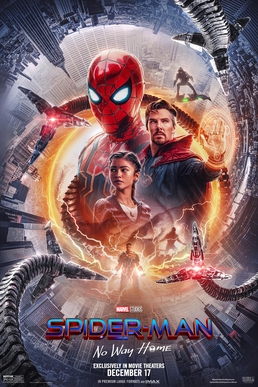
The apex of this trajectory is Spider-Man: No Way Home, a film that solidifies his standing as a master orchestrator of massive intellectual property. Watts demonstrates an extraordinary ability to navigate the complex corporate and creative demands of franchise filmmaking. He manages to synthesize distinct cinematic legacies into a cohesive narrative structure. His role shifted from a traditional auteur to a highly skilled facilitator of pop culture catharsis, balancing intimate character moments with overarching corporate synergy.
In analyzing his contribution to cinema history, Watts represents the modern studio director working at the highest level of commercial scale. He operates in a landscape where the director must act as both storyteller and franchise custodian. His ability to marshal unprecedented resources and coordinate overlapping continuities speaks to a specific, highly coveted skill set in the twenty-first century blockbuster ecosystem. Watts will be remembered as a filmmaker who successfully wrangled the sprawling meta-narrative of modern comic book adaptations.
Thematic Preoccupations
The thematic core of Watts's blockbuster filmmaking revolves around the enduring concepts of identity and responsibility. In Spider-Man: No Way Home, he explores the heavy burden of power through the lens of a young protagonist grappling with the consequences of his heroic decisions. Watts uses the narrative device of a botched spell to externalize Peter Parker's internal anxieties about growing up and facing the realities of adult consequence. This struggle for a stable identity is a recurring preoccupation, complicated by the very public nature of the protagonist's dual life.
Watts also engages deeply with nostalgic themes and the legacy of the franchise itself. His work operates as a meta-narrative, reflecting on the history of superhero cinema. By introducing a multiverse concept, Watts forces his characters to confront not only their immediate adversaries but also the literal ghosts of cinematic pasts. This allows the film to interrogate the ongoing cultural obsession with shared universes and intellectual property, making the narrative a meditation on how modern audiences consume and remember pop culture.
Furthermore, Watts balances these massive conceptual frameworks with deeply emotional storytelling. Despite the chaotic and anxious narrative elements introduced by colliding universes, the emotional anchor remains the poignant character arcs and the power of friendship. The spectacle in his storytelling is ultimately tethered to profound personal loss and the necessity of sacrifice. Watts repeatedly asks whether an individual can retain their humanity and personal attachments when burdened with saving the world, a question that drives the emotional engine of his most ambitious work.
Stylistic Signatures
The visual language of Jon Watts in the realm of massive studio filmmaking is defined by a commitment to spectacular visuals that never entirely overwhelm the endearing characters at the center of the frame. In Spider-Man: No Way Home, he employs an inventive narrative structure that allows for eye-popping spectacle while maintaining a surprisingly spry and energetic pace. Watts leans into a cinematic experience that favors grand, sweeping action sequences, yet he carefully frames these moments to highlight the emotional stakes of the participants rather than relying on empty digital destruction.
A defining technique in his late career franchise work is the sophisticated execution of fan service elements. Rather than treating these inclusions as mere cameos, Watts integrates them into the visual and emotional fabric of the film. He makes audacious choices in blocking and framing to create visual echoes of previous cinematic iterations of the character. This affectionate approach results in a crowded but meticulously organized visual composition, where every character placement and lighting cue serves a distinct narrative or nostalgic purpose.
The editing rhythms and overarching stylistic approach in Watts's filmmaking reflect a balance between breathless momentum and necessary dramatic pauses. He navigates a bloody weird and ambitious narrative trick by anchoring the chaotic multiverse mechanics in classical, character-driven shot construction. The result is a style that feels both intimately familiar and dazzlingly expansive. Watts orchestrates a greatest hits mashup of cinematic legacy, synthesizing disparate visual tones into a singular, highly entertaining blockbuster aesthetic.
Recurring Collaborators
Due to the nature of the database provided and the specific focus on his apex blockbuster achievement, there are no distinctly identified recurring cast members across multiple films in this isolated dataset. However, examining his work through the lens of Spider-Man: No Way Home reveals a deeply collaborative reliance on established franchise actors. His creative partnerships are defined by an ability to integrate performers who have already established iconic versions of their characters under different directors.
Watts acts as a crucial collaborator with the performers themselves, particularly in guiding Tom Holland through a deeply poignant character arc. The director relies on the endearing, puppyish qualities of his lead actor to ground the increasingly bizarre multiverse mechanics. This collaboration allows the emotional weight of the narrative to land effectively, ensuring that the visual spectacle is matched by a genuinely moving central performance.
Additionally, Watts's collaborative ethos extends to his work with the broader architecture of the studio system. He operates in tandem with producers, visual effects supervisors, and franchise executives to craft a cohesive cinematic experience. This meta-collaboration is essential for achieving the ambitious narrative trick required to pull off a film that functions as both a standalone adventure and a massive crossover event. The success of these films is a testament to his skill in managing complex creative partnerships at the highest level of industry production.
Critical Standing
The critical reputation of Jon Watts is inextricably linked to his monumental success within the superhero genre. Reviewers frequently note his ability to deliver an overflowing cornucopia of treats for fans while maintaining narrative coherence. Critics have favorably compared his work to undisputed genre highlights like Spider-Man 2, Avengers: Endgame, and Into the Spider-Verse. This positions Watts not merely as a journeyman director, but as a filmmaker capable of executing a tricky and ambitious narrative trick with remarkable grace.
While some critical discourse points to the inherent reliance on fan service, commentators generally concede that Watts elevates these elements beyond cynical corporate synergy. Major publications like Slant Magazine and The Guardian acknowledge the purely entertaining and affectionate nature of his approach. Reviewers often highlight that Spider-Man: No Way Home is a surprisingly spry and inventive film, one that successfully balances a crowded ensemble with genuine emotional stakes. His standing has evolved into that of a highly respected purveyor of pop cinema.
Ultimately, Watts is celebrated for reminding cynical audiences why they used to love comic books. His audacious choices and willingness to lean into the weird, meta-textual possibilities of the multiverse have earned him a unique place in contemporary film criticism. He is viewed as a director who took on the immense pressure of synthesizing a massive cinematic legacy and delivered a monumentally successful crowd-pleaser. His work remains a vital touchstone in discussions about the artistic possibilities and limitations of the modern blockbuster.