Career Overview
Jonathan Demme holds a unique position in American cinema, transitioning from exploitation roots to crafting some of the most meticulously structured psychological thrillers in Hollywood history. His career arc reflects a steady maturation of craft, culminating in a directorial approach that balances genre thrills with profound humanistic inquiry. By approaching sensational material with a rigorous, analytical eye, he elevated the crime procedural into the realm of high art.
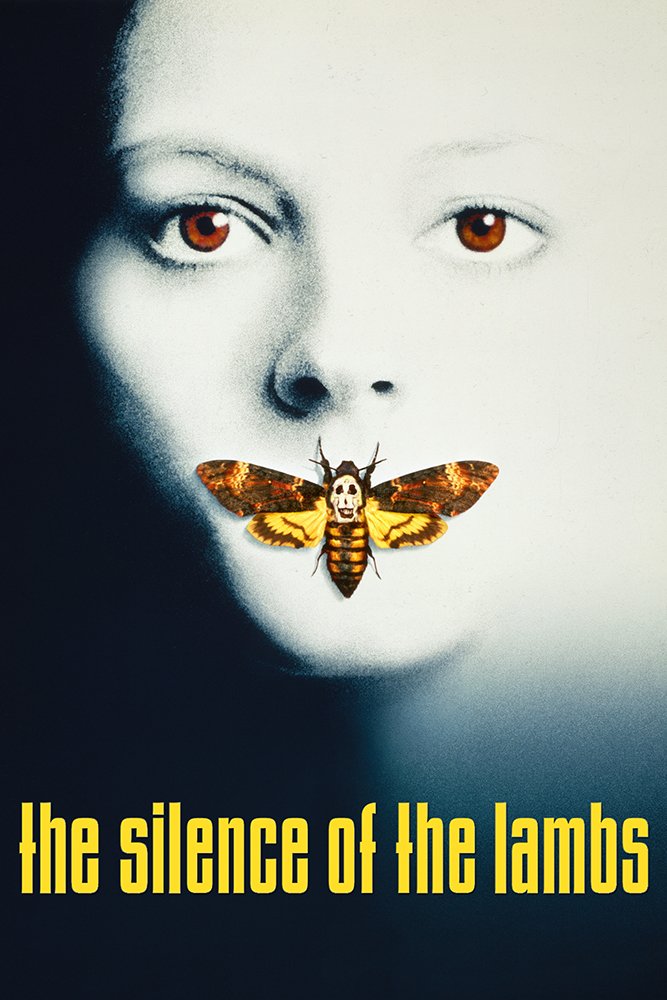
The pinnacle of his critical and commercial success remains his definitive work in the early 1990s. With The Silence of the Lambs, Demme cemented his reputation as a master of psychological horror. This film demonstrated his ability to elevate pulp material into a cinematic masterpiece, proving that mainstream studio filmmaking could harbor dark, subversive undertones without alienating audiences. His work shifted the paradigm for how serious themes could be addressed within the framework of a studio thriller.
By weaving together elements of police investigation and gothic horror, Demme carved out a distinct niche. His legacy is heavily defined by this capability to navigate terrifying atmospheres while maintaining a steadfast focus on human vulnerability and resilience. He stands alongside genre pioneers by continuously probing the depths of the human psyche without sacrificing narrative accessibility or emotional resonance.
Thematic Preoccupations
A central preoccupation of Demme's most celebrated work is the exploration of psychological horror and the intricate dynamics between predator and prey. He frequently interrogates the minds of serial killers, using their monstrous acts as a mirror to reflect societal decay and institutional failure. Rather than relying solely on gruesome depictions, he focuses on the psychological toll these investigations take on the individuals tasked with confronting pure evil.
The theme of the FBI investigation serves as a structural backbone in his most prominent narrative. This procedural element provides a rational framework that is constantly threatened by chaotic, irrational violence. Within this context, Demme explores themes of female empowerment and vulnerability, particularly through characters who find themselves trapped within fragile bodies yet possess tenacious, brilliant minds capable of navigating patriarchal systems and outsmarting sadistic predators.
Furthermore, Demme obsesses over the concept of profound evil and its hypnotic pull on those who seek to understand it. The psychological duels in his films function as terrifying games of cat and mouse, where knowledge and insight are weaponized. This thematic resonance aligns his work with other psychological thrillers like Psycho and Manhunter, as he constantly asks how proximity to darkness alters the human soul and challenges the morality of his protagonists.
Stylistic Signatures
Visually, Demme is celebrated for his elegantly crafted narratives and powerful imagery. His most recognizable stylistic signature is the extreme, intimate close-up, often with characters looking directly into the camera lens. This technique forces the audience into an uncomfortable complicity, forging a direct psychological link between the viewer and the on-screen subjects. It strips away the comforting distance usually afforded to cinema audiences and immerses them directly into the trauma of the characters.
The atmosphere in Demme's cinema is overwhelmingly terrifying, built through breath-quickening tension and hypnotic pacing. He masterfully utilizes taut suspense rather than cheap jump scares, allowing the dread to accumulate slowly and methodically. His glorious cinematography often relies on stark contrasts and claustrophobic framing, emphasizing the entrapment of his protagonists in dark, inescapable situations where the environment itself feels predatory.
Demme's intelligent storytelling is also evident in his meticulous editing rhythms and use of sound. The audio landscape is designed to heighten the disturbing elements of the narrative, creating a pervasive sense of unease. By combining gruesome visual depictions with an assured, controlled directorial hand, Demme maintains a tight grip on the material, ensuring that every stylistic choice serves the overarching psychological tension and advances the tenacious character development.
Recurring Collaborators
While Demme's broader career features a wide array of collaborators, his most scrutinized and acclaimed work often relies on fiercely dedicated actors capable of handling intense psychological scrutiny. The database notes no recurring cast members across multiple films, which highlights Demme's tendency to build unique, self-contained ensembles tailored specifically to the demands of each individual project. This approach allows him to cast based on precise psychological fits rather than relying on established troupes.
In his definitive psychological horror work, the collaboration with performers like Anthony Hopkins and Jodie Foster proved historically significant. Foster's portrayal of a budding FBI agent brings a smart, tenacious energy to the screen, anchoring the terrifying atmosphere with deeply relatable human vulnerability. Her ability to project both fragility and immense intellectual strength perfectly serves Demme's rigorous directorial vision.
Similarly, Hopkins delivers a performance that manifests pure evil, creating a hypnotic duel that elevates the entire narrative. The synergy between director and actor in these instances generates a powerful presence that underlies the entire movie, lending terror even to scenes where the antagonist is absent. This ability to extract career-defining performances from his leads remains a crucial component of Demme's collaborative genius, proving his skill as an unparalleled director of actors.
Critical Standing
Jonathan Demme's critical reputation is firmly established in the highest echelons of American thriller filmmaking. Critics unanimously praise his intelligent storytelling and his capacity to craft taut, compelling narratives that transcend their genre origins. His work is frequently analyzed alongside seminal genre landmarks, with reviewers consistently drawing favorable comparisons to Alfred Hitchcock's Psycho, Michael Mann's Manhunter, and even later atmospheric thrillers like The Sixth Sense, due to his sophisticated handling of the serial killer mythos.
Upon its release, his definitive exploration of psychological horror was met with widespread acclaim, noted for its glorious cinematography and carefully modulated disturbing elements. Major publications like Variety and the Los Angeles Times celebrated his assured direction and his ability to maintain a tight grip on extremely dark material. Contemporary reassessments continue to laud his technique, with outlets like The Guardian noting that even after decades, his meticulously crafted suspense still makes the pulse race.
Ultimately, Demme occupies a prestigious place within critical discourse as a filmmaker who successfully married gruesome, shocking subject matter with high art sensibilities. He is revered not merely as a director of thrillers, but as an elegant craftsman who exposed the deepest terrors of the human condition. His legacy endures as a masterclass in tension, character development, and profound psychological exploration.